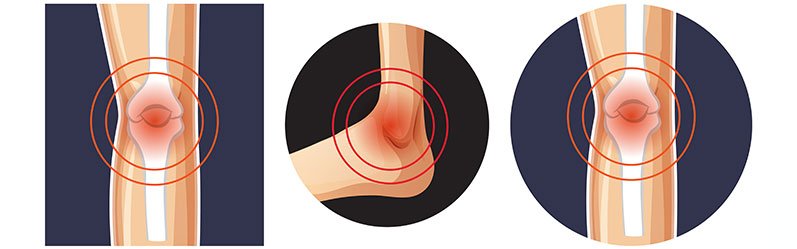
Ewing Sarcoma is a rare, aggressive type of cancer that primarily affects bones or the soft tissues surrounding them. It most commonly occurs in children and young adults (ages 10–20), though it can appear at any age. It belongs to the Ewing family of tumors and is characterized by small round blue cells under the microscope, often linked to a specific genetic translocation (EWSR1-FLI1). In homeopathy, remedies are used only as supportive or palliative care to help manage pain, reduce weakness, ease anxiety, and improve quality of life. Ewing sarcoma requires immediate and aggressive conventional treatment including chemotherapy, surgery, radiation, and specialist oncology care.
(Images above show Ewing sarcoma — typical X-ray or MRI appearance with bone destruction, soft tissue mass, and common sites like long bones of the leg or pelvis.)
Causes
The exact cause is not fully known, but it involves:
- Genetic changes (translocation between chromosomes 11 and 22) that occur after birth
- No strong link to environmental factors or family history in most cases
- It is not inherited in the usual sense but results from acquired DNA changes in cells
Symptoms
Common symptoms include:
- Persistent bone pain that worsens at night or with activity
- Swelling, tenderness, or a palpable lump near the affected bone
- Fever, fatigue, and unexplained weight loss
- Limping or difficulty using the affected limb
- Pathological fracture (bone breaking with minor trauma)
- In advanced or metastatic cases: shortness of breath, back pain, or neurological symptoms
Homeopathy Medicines with Key Symptoms and Doses
Homeopathic remedies for Ewing sarcoma are highly individualized and used only as supportive or palliative care alongside standard oncology treatment. They are never a substitute for chemotherapy, surgery, or radiation. The following are sometimes considered in palliative settings for symptom relief. Remedy selection must be determined only by a qualified and experienced homeopath after detailed case-taking, in close coordination with an oncologist. These are general guidelines only.
Arsenicum Album For extreme anxiety, restlessness, burning bone pain, and profound weakness. Better from warmth and small sips of water. Often used in advanced or septic states. Typical use: 30C, 3-5 pellets 1-2 times daily (short term, under guidance).
Symphytum For bone pain and fractures related to the tumor. Helps support bone healing in palliative care. Typical use: 30C, 3-5 pellets 1-2 times daily.
Hecla Lava For bone pain and tumors affecting the jaw or long bones with swelling. Typical use: 30C, 3-5 pellets 1-2 times daily.
Silicea For chronic weakness, slow-healing tendency, and sensitivity in bone-related conditions. Typical use: 6X or 30C, 3-5 pellets 1-2 times daily.
Calcarea Phosphorica For bone pain, growth issues in young patients, and debility with tendency to fractures. Typical use: 6X or 30C, 3-5 pellets 1-2 times daily.
Ruta Graveolens For deep bone pain and bruising sensation, especially after injury or in areas of periosteal involvement. Typical use: 30C, 3-5 pellets 1-2 times daily.
Carbo Vegetabilis For extreme exhaustion, air hunger, and collapse-like weakness in advanced stages. Typical use: 30C, 3-5 pellets 1-2 times daily (short term).
Phosphorus For burning pains, easy bleeding tendency, and great weakness with thirst for cold drinks. Typical use: 30C, 3-5 pellets 1-2 times daily (use cautiously under guidance).
Lachesis Muta For left-sided symptoms, sensitivity, and dark discoloration with restlessness. Typical use: 30C, 3-5 pellets sparingly.
Sulphur Often used as an intercurrent remedy in chronic cases with burning sensations or unhealthy tendency. Typical use: 30C or 200C, sparingly (once weekly under guidance).
Important guidance: Ewing sarcoma is diagnosed by imaging (X-ray, MRI, CT, PET), biopsy, and genetic testing. Standard treatment involves multi-agent chemotherapy, local control with surgery or radiation, and sometimes stem cell transplant. Prognosis has improved significantly with modern protocols. Homeopathy may help manage pain, fatigue, and emotional distress as supportive or palliative care but must never replace oncology treatment. Follow your doctor’s advice strictly regarding nutrition, rest, and follow-up. This information is for educational purposes only and not a substitute for professional medical or homeopathic advice. Consult a qualified pediatric or orthopedic oncologist immediately for any persistent bone pain, swelling, or lump in a child or young adult, and a registered homeopath experienced in palliative oncology for individualized supportive remedy selection. Early diagnosis and aggressive treatment are crucial for better outcomes.