Esophagitis is inflammation of the esophagus, the muscular tube that carries food from the mouth to the stomach. It can cause discomfort during swallowing and may lead to complications if untreated. In homeopathy, remedies are used only as supportive care to help reduce burning pain, inflammation, difficulty swallowing, and associated digestive symptoms while promoting healing of the esophageal lining. Esophagitis requires proper medical evaluation to identify the cause and prevent complications like strictures or Barrett’s esophagus.
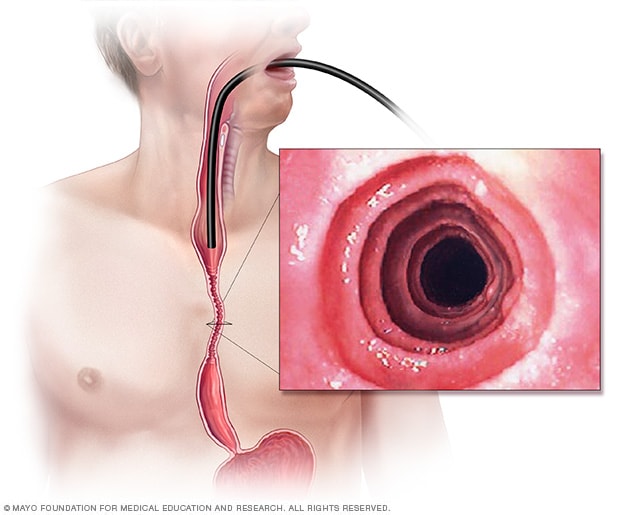
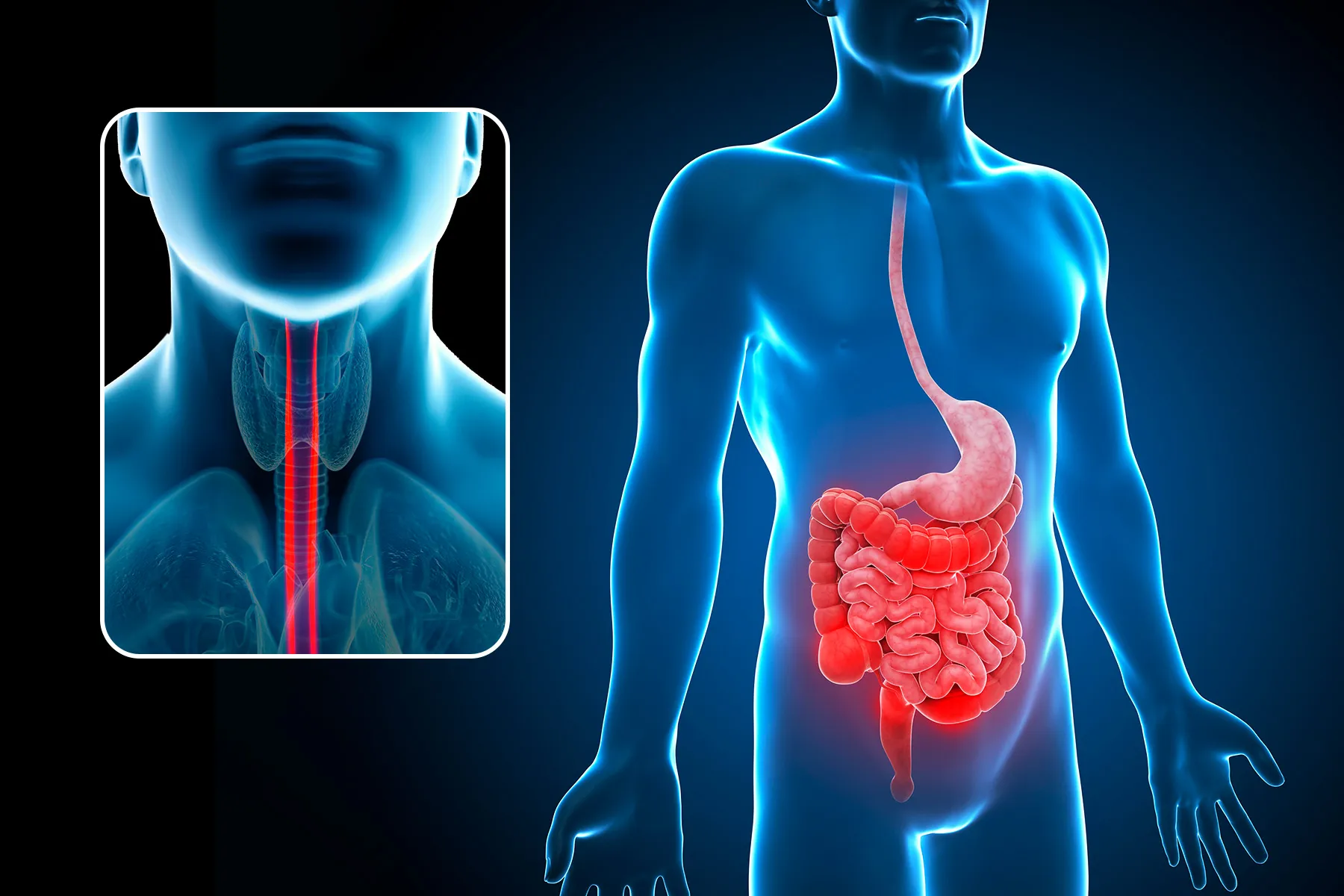
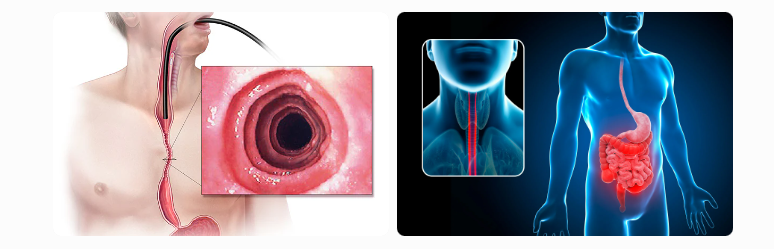
(Images above show esophagitis — inflamed, red, and swollen esophageal lining, often seen on endoscopy with possible erosions or ulcers.)
Causes
Esophagitis is commonly caused by:
- Acid reflux from the stomach (GERD or reflux esophagitis)
- Infections (viral, fungal, or bacterial)
- Certain medications (pills that irritate when not swallowed properly)
- Allergies or eosinophilic esophagitis
- Ingestion of corrosive substances or radiation therapy
Symptoms
Common symptoms include:
- Burning pain or heartburn behind the breastbone
- Pain or difficulty swallowing (dysphagia)
- Sensation of food sticking in the throat or chest
- Regurgitation of food or sour liquid
- Nausea, chest pain, or hoarseness
- In chronic cases: weight loss or bleeding
Homeopathy Medicines with Key Symptoms and Doses
Homeopathic remedies for esophagitis are selected based on the individual symptom picture, such as the nature of pain, triggers, and general constitution. They are used only as supportive care alongside lifestyle changes and conventional treatment if needed. The following are commonly considered. Remedy selection must be determined only by a qualified homeopath after detailed case-taking, in coordination with a gastroenterologist. These are general guidelines only.
Arsenicum Album For burning pain in the esophagus with great anxiety and restlessness. Better from warm drinks and sitting up. Often indicated in acid reflux-related cases. Typical use: 30C, 3-5 pellets 1-2 times daily (short term).
Iris Versicolor For burning in the esophagus and stomach with sour vomiting and headache. Useful when symptoms involve both upper digestive tract and pancreas area. Typical use: 30C, 3-5 pellets 1-2 times daily.
Phosphorus For burning sensation rising up the esophagus with thirst for cold drinks. Craving for ice cream or cold food that may be vomited soon after. Typical use: 30C, 3-5 pellets 1-2 times daily (use cautiously under guidance).
Causticum For raw, burning feeling with sensation of a lump in the throat or food lodging in the esophagus. Hoarseness may be present. Typical use: 30C, 3-5 pellets 1-2 times daily.
Belladonna For sudden, intense inflammation with red, hot, painful swallowing and throbbing. Symptoms come on violently. Typical use: 30C, 3-5 pellets 1-2 times daily (short term).
Nux Vomica For esophagitis from overeating, spicy food, alcohol, or stress. Accompanied by irritability, sour taste, and bloating. Typical use: 30C, 3-5 pellets 1-2 times daily.
Carbo Vegetabilis For burning with excessive bloating, belching, and air hunger. The person feels cold and exhausted. Typical use: 30C, 3-5 pellets 1-2 times daily (short term).
Lycopodium Clavatum For burning and bloating with symptoms worse in the evening or after eating. Digestive weakness and right-sided complaints. Typical use: 30C or 200C, 3-5 pellets 1-2 times daily.
Pulsatilla For changeable symptoms with nausea and heartburn after rich or fatty foods. Better in open air and with mild, weepy disposition. Typical use: 30C, 3-5 pellets 1-2 times daily.
Sulphur Often used as an intercurrent remedy in chronic cases with burning, itching, or unhealthy tendency. Typical use: 30C or 200C, sparingly (once weekly under guidance).
Important guidance: Esophagitis management includes avoiding triggers (spicy/fatty foods, alcohol, smoking, lying down after meals), elevating the head of the bed, and using antacids or proton pump inhibitors as prescribed. Endoscopy may be needed for diagnosis. Homeopathy may help relieve burning and swallowing discomfort as supportive care but must never replace proper medical evaluation. This information is for educational purposes only and not a substitute for professional medical or homeopathic advice. Consult a qualified gastroenterologist for accurate diagnosis and management (especially if symptoms persist or include difficulty swallowing, weight loss, or bleeding), and a registered homeopath for individualized supportive remedy selection. With proper care and lifestyle changes, most cases of esophagitis improve significantly.