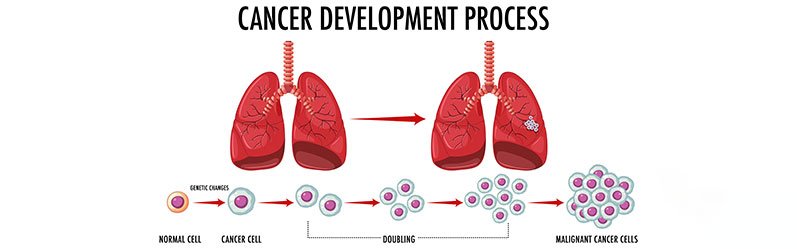
Esophageal Cancer is a serious and aggressive malignancy that develops in the lining of the esophagus, the muscular tube that carries food and liquids from the mouth to the stomach. It is often diagnosed at an advanced stage because early symptoms are mild or absent. The two main types are squamous cell carcinoma and adenocarcinoma. In homeopathy, remedies are used only as supportive care to help relieve symptoms such as difficulty swallowing, pain, weakness, and anxiety while supporting overall vitality. Esophageal cancer requires immediate conventional medical management including oncology care, chemotherapy, radiation, or surgery.
(Images above show esophageal cancer — narrowing or tumor growth in the esophagus visible on endoscopy or barium swallow, with typical irregular mass obstructing the passage.)
Causes
Esophageal cancer is mainly linked to:
- Long-term smoking and heavy alcohol consumption
- Chronic acid reflux (GERD) leading to Barrett’s esophagus
- Obesity, poor diet, and nutritional deficiencies
- Human papillomavirus (HPV) infection in some cases
- Achalasia or other chronic esophageal irritation
Symptoms
Common symptoms include:
- Progressive difficulty swallowing (dysphagia), starting with solids then liquids
- Unexplained weight loss and loss of appetite
- Chest pain or burning sensation behind the breastbone
- Regurgitation of food, persistent cough, or hoarseness
- Fatigue, anemia, and general weakness in advanced stages
Homeopathy Medicines with Key Symptoms and Doses
Homeopathic remedies for esophageal cancer are highly individualized and used only as supportive or palliative care to improve quality of life. They are never a substitute for standard cancer treatment. The following are sometimes considered in advanced or palliative settings. Remedy selection must be determined only by a qualified and experienced homeopath after detailed case-taking, in close coordination with an oncologist. These are general guidelines only.
Arsenicum Album For marked anxiety, restlessness, burning pain in the esophagus, and extreme weakness. Better from warm drinks and small sips. Typical use: 30C, 3-5 pellets 1-2 times daily (short term, under guidance).
Carbo Vegetabilis For extreme exhaustion, air hunger, bloating, and difficulty swallowing with coldness. Typical use: 30C, 3-5 pellets 1-2 times daily (short term).
Phosphorus For burning sensation rising up the esophagus, thirst for cold drinks, and easy bleeding tendency. Typical use: 30C, 3-5 pellets 1-2 times daily (use cautiously under expert guidance).
Hydrastis Canadensis For thick, ropy mucus with ulceration and difficulty swallowing solid food. Typical use: 30C, 3-5 pellets 1-2 times daily.
Conium Maculatum For hard, sticking sensation in the throat/esophagus with dizziness and weakness. Typical use: 30C, 3-5 pellets 1-2 times daily.
Lachesis Muta For left-sided symptoms, constriction, and sensitivity to touch. Symptoms worse after sleep. Typical use: 30C, 3-5 pellets sparingly.
Nux Vomica For cramping pain and difficulty swallowing linked to stress, alcohol, or spicy food history. Typical use: 30C, 3-5 pellets 1-2 times daily.
China Officinalis For marked debility and weakness after fluid or blood loss with bloating. Typical use: 30C, 3-5 pellets 1-2 times daily.
Silicea For slow-healing tendency and weakness in chronic cases. Typical use: 6X or 30C, 3-5 pellets 1-2 times daily.
Sulphur Often used as an intercurrent remedy in chronic, burning, or unhealthy states. Typical use: 30C or 200C, sparingly (once weekly under guidance).
Important guidance: Esophageal cancer is diagnosed by endoscopy, biopsy, and imaging. Standard treatment includes surgery, chemotherapy, radiation, and nutritional support (often through a feeding tube). Homeopathy may help relieve symptoms such as pain, anxiety, and difficulty swallowing as supportive or palliative care but must never replace oncology treatment. Maintain good nutrition and follow your doctor’s advice strictly. This information is for educational purposes only and not a substitute for professional medical or homeopathic advice. Consult a qualified oncologist immediately for any difficulty swallowing, unexplained weight loss, or persistent chest pain, and a registered homeopath experienced in palliative care for individualized supportive remedy selection. Early detection and prompt treatment can significantly improve outcomes and quality of life.