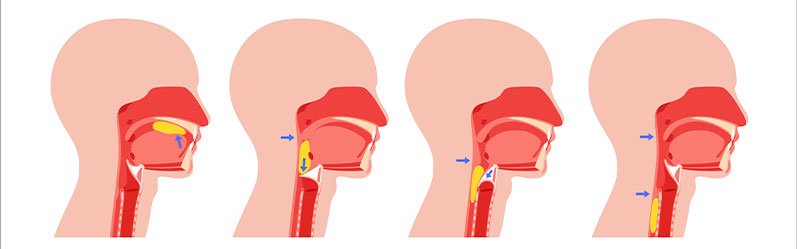
Epiglottitis is a serious and potentially life-threatening inflammation of the epiglottis — the small flap of cartilage at the base of the tongue that covers the windpipe during swallowing to prevent food from entering the lungs. It can cause rapid swelling and airway obstruction. In homeopathy, remedies are used only as supportive care to help reduce inflammation, ease breathing difficulty, and support recovery. Epiglottitis is a medical emergency that requires immediate hospital care, often with antibiotics, steroids, and airway management.
(Images above show epiglottitis — swollen, cherry-red epiglottis obstructing the airway, visible on laryngoscopy or lateral neck X-ray.)
Causes
Epiglottitis is most commonly caused by:
- Bacterial infection (especially Haemophilus influenzae type B, though less common after vaccination; also Streptococcus or Staphylococcus)
- Viral infections or trauma to the throat
- In adults: smoking, chemical irritation, or weakened immunity
- Rarely, fungal infections in immunocompromised patients
Symptoms
Common symptoms develop rapidly and include:
- Severe sore throat and difficulty swallowing (dysphagia)
- High fever, drooling, and muffled or “hot potato” voice
- Stridor (high-pitched breathing sound) and respiratory distress
- Sitting forward with neck extended to breathe (tripod position)
- Anxiety and restlessness due to airway compromise
Homeopathy Medicines with Key Symptoms and Doses
Homeopathic remedies for epiglottitis focus on symptom similarity for supportive management only. They are never a substitute for emergency medical care. The following are sometimes considered in literature for acute throat inflammation with airway symptoms. Remedy selection must be determined only by a qualified homeopath experienced in acute conditions after detailed case-taking, in close coordination with an ENT specialist or emergency doctor. These are general guidelines only.
Belladonna For sudden, violent onset with bright red, hot, swollen throat, high fever, and throbbing pain. Extreme sensitivity to touch or light. Typical use: 30C, 3-5 pellets 1-2 times daily (short term, under expert guidance).
Apis Mellifica For puffy, swollen epiglottis with stinging or burning pain. Better from cold applications. Thirstlessness is common. Typical use: 30C, 3-5 pellets 1-2 times daily (short term).
Lachesis Muta For left-sided swelling, dark purplish discoloration, extreme sensitivity to touch, and loquacity. Worse after sleep. Typical use: 30C, 3-5 pellets sparingly.
Arsenicum Album For burning pain with great anxiety, restlessness, and prostration. Better from warmth and small sips of water. Typical use: 30C, 3-5 pellets 1-2 times daily (short term).
Hepar Sulphuris For very sensitive throat with sharp, stitching pain and tendency to suppuration. Better from warmth. Typical use: 30C, 3-5 pellets 1-2 times daily (short term).
Mercurius Solubilis For swollen throat with offensive breath, salivation, and night aggravation. Typical use: 30C, 3-5 pellets 1-2 times daily (short term).
Aconite For sudden onset after exposure to cold dry wind with intense fear and restlessness. Typical use: 30C, 3-5 pellets sparingly (very early stage).
Sulphur Often used as an intercurrent remedy in sub-acute or recovering stages with burning sensations. Typical use: 30C or 200C, sparingly (once weekly under guidance).
Important guidance: Epiglottitis is a medical emergency. Do not examine the throat with a tongue depressor at home, as it can trigger complete airway obstruction. Immediate hospital care with airway protection, antibiotics, and steroids is life-saving. Homeopathy may provide supportive symptom relief but must never replace emergency medical intervention. This information is for educational purposes only and not a substitute for professional medical or homeopathic advice. If epiglottitis is suspected (severe sore throat, drooling, stridor, or breathing difficulty), seek emergency medical help immediately. Consult a qualified ENT specialist or emergency physician for accurate diagnosis and treatment, and a registered homeopath only for individualized supportive remedy selection in the recovery phase. Prompt treatment usually leads to full recovery.