Dyslipidemia is a disorder of lipid (fat) metabolism characterized by abnormal levels of cholesterol and triglycerides in the blood. It typically involves high levels of “bad” cholesterol (LDL), low levels of “good” cholesterol (HDL), and/or elevated triglycerides. This condition is a major risk factor for atherosclerosis, heart disease, stroke, and peripheral artery disease. In homeopathy, remedies are used only as supportive care to help improve lipid metabolism, vitality, and overall constitution. Dyslipidemia requires proper medical management with lifestyle changes, diet, and sometimes statin or other lipid-lowering medicines as advised by a doctor.
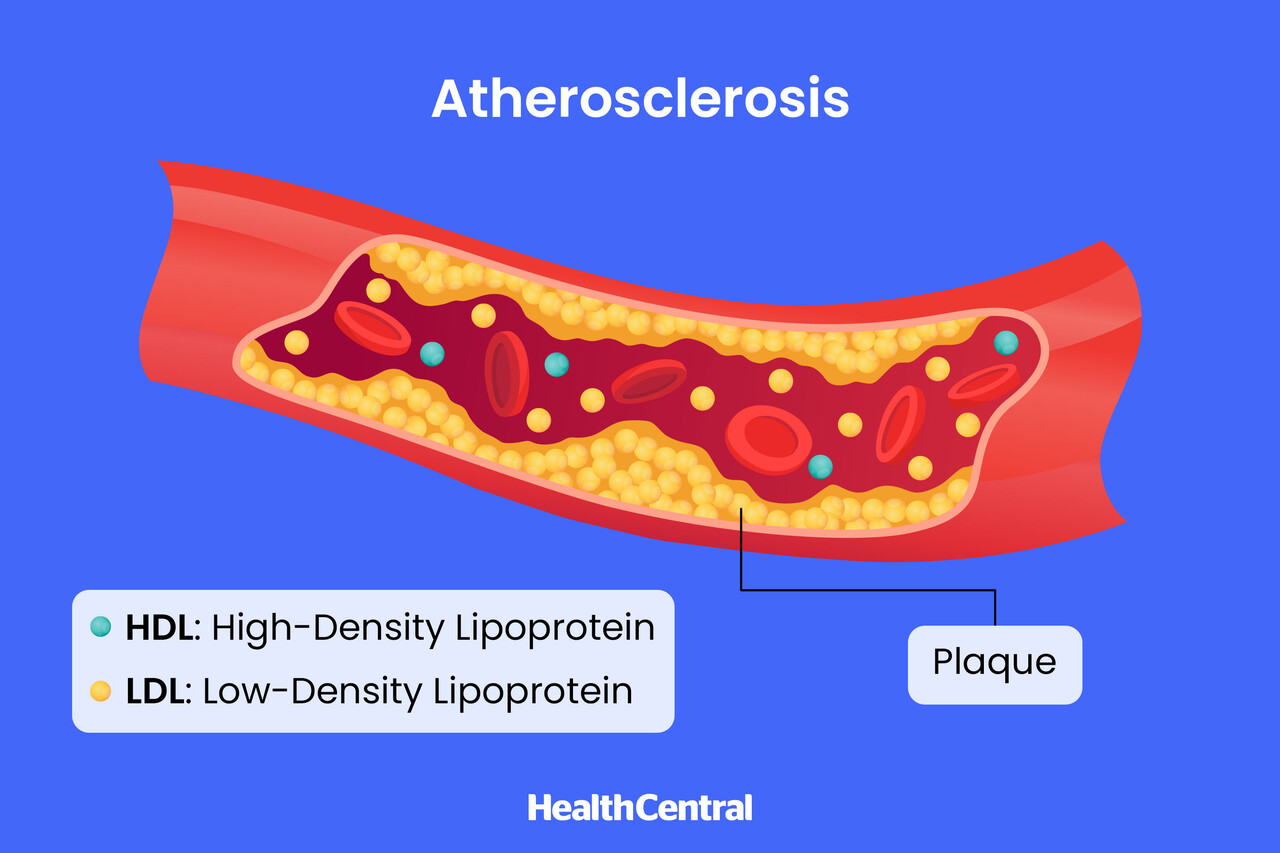
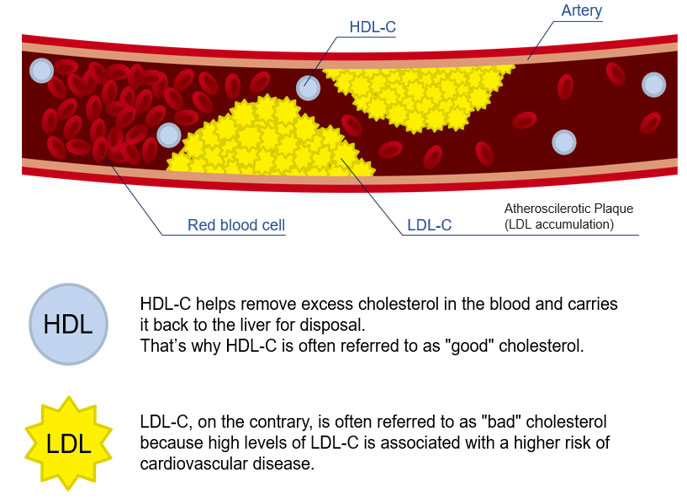
(Images above show how dyslipidemia leads to plaque buildup in arteries — narrowing of blood vessels due to excess LDL cholesterol.)
Causes
Dyslipidemia is caused by a combination of factors:
- Unhealthy diet high in saturated fats, trans fats, and refined sugars
- Sedentary lifestyle and obesity
- Genetic factors (familial hypercholesterolemia)
- Medical conditions such as diabetes, hypothyroidism, kidney disease, or liver disorders
- Smoking, excessive alcohol, and certain medications
Symptoms
Dyslipidemia itself usually causes no direct symptoms until complications develop. Possible signs include:
- Yellowish deposits around the eyes (xanthelasma) or on tendons (xanthomas)
- Fatigue or chest discomfort in advanced cases
- Signs of complications: chest pain (angina), shortness of breath, leg pain on walking, or stroke symptoms
Homeopathy Medicines with Key Symptoms and Doses
Homeopathic remedies for dyslipidemia are selected based on the individual’s constitution, associated symptoms (e.g., digestive issues, obesity, or emotional state), and overall health. The following are commonly considered for supportive management. Remedy selection must be determined only by a qualified homeopath after detailed case-taking, in close coordination with a cardiologist or physician. These are general guidelines only. Regular lipid profile monitoring is essential.
Cholesterinum A specific remedy often used for elevated cholesterol and fatty deposits. Supports liver function and lipid metabolism. Typical use: 30C or 200C, 3-5 pellets once or twice weekly (sparingly).
Crataegus Oxyacantha Helps as a heart tonic in cases with dyslipidemia and circulatory weakness. Improves overall vitality and reduces fatigue. Typical use: 30C or mother tincture (as advised), 3-5 pellets 1-2 times daily.
Lycopodium Clavatum Suited to persons with digestive bloating, right-sided complaints, and high cholesterol linked to liver sluggishness. Lack of confidence is common. Typical use: 30C or 200C, 3-5 pellets 1-2 times daily.
Calcarea Carbonica For fair, sweaty, overweight individuals with slow metabolism and tendency to high cholesterol. Supports constitutional sluggishness. Typical use: 30C or 200C, 3-5 pellets once or twice weekly.
Sulphur For burning sensations, heat intolerance, and unhealthy skin tendency along with lipid imbalance. Often used as an intercurrent remedy. Typical use: 30C or 200C, sparingly (once weekly under guidance).
Natrum Sulphuricum Useful when dyslipidemia is associated with liver issues or symptoms worsen in damp weather. Supports fluid and metabolic balance. Typical use: 30C, 3-5 pellets 1-2 times daily.
Arsenicum Album For anxious, restless persons with weakness and burning sensations. Helps in cases with fear of heart disease. Typical use: 30C, 3-5 pellets 1-2 times daily (short term).
Phosphorus For tall, thin individuals with weak vitality and tendency to bleeding or liver involvement affecting lipids. Typical use: 30C, 3-5 pellets 1-2 times daily (use cautiously).
Graphites For overweight persons with dry, rough skin and metabolic sluggishness. Supports in cases with sticky or fatty tendencies. Typical use: 30C, 3-5 pellets 1-2 times daily.
Aurum Metallicum For high blood pressure with dyslipidemia and feelings of depression or self-reproach. Vascular complaints are prominent. Typical use: 30C or 200C, sparingly (once or twice weekly).
Important guidance: The foundation of managing dyslipidemia is a healthy lifestyle — balanced diet low in saturated fats and sugars, regular exercise, weight control, quitting smoking, and limiting alcohol. Regular lipid profile tests and medical follow-up are essential. In many cases, statins or other medicines are prescribed by doctors. Homeopathy may offer supportive benefits for metabolism and vitality but cannot replace conventional medical care or lifestyle modifications. This information is for educational purposes only and not a substitute for professional medical or homeopathic advice. Consult a qualified cardiologist or physician immediately for accurate diagnosis, risk assessment, and treatment, and a registered homeopath for individualized supportive remedy selection. Early and consistent management significantly reduces the risk of heart disease and stroke.