Dyskinesia refers to a group of movement disorders characterized by involuntary, abnormal movements that a person cannot control. It includes several types such as tardive dyskinesia (often linked to long-term use of antipsychotic medicines), orofacial dyskinesia, chorea, and others. These movements can affect the face, tongue, limbs, or trunk and may interfere with speaking, eating, or daily activities. In homeopathy, remedies are selected to provide supportive care by calming the nervous system, reducing spasms, and improving control over movements. Homeopathy does not cure dyskinesia and must be used alongside conventional medical management.

:max_bytes(150000):strip_icc()/tardive-dyskinesia-5086529.FINAL-843b72368eaa4dd784c264fba4bd8e24.gif)
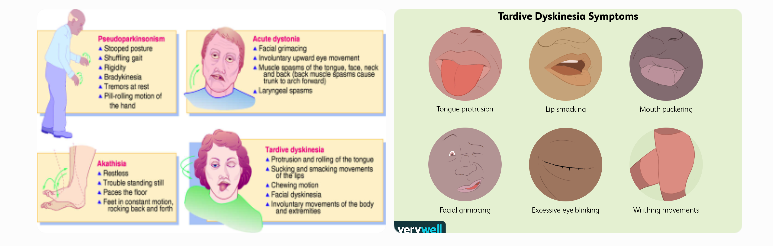
(Images above illustrate common features of dyskinesia, particularly tardive dyskinesia — involuntary tongue protrusion, lip smacking, facial grimacing, eye blinking, and writhing movements of the body.)
Causes
Dyskinesia is mainly caused by:
- Long-term use of certain medicines, especially antipsychotics (neuroleptics) that block dopamine receptors
- Brain-related conditions such as Parkinson’s disease, Huntington’s disease, or stroke
- Genetic factors or metabolic disorders
- In some cases, infections, trauma, or side effects of other drugs
Symptoms
Common symptoms include:
- Involuntary movements of the face, tongue, lips (protrusion, smacking, chewing motions)
- Grimacing, excessive blinking, or eye rolling
- Writhing or twisting movements of the limbs or trunk
- Jerky or dance-like movements (chorea)
- Difficulty with speech, swallowing, or fine motor tasks
- Movements that may worsen with stress and improve during sleep
Homeopathy Medicines with Key Symptoms and Doses
Homeopathic remedies for dyskinesia are highly individualized based on the type of movements, constitution, and associated symptoms. The following are commonly considered for supportive management. Remedy selection must be determined only by a qualified homeopath experienced in neurological conditions after detailed case-taking, in close coordination with a neurologist. These are general guidelines only.
Zincum Metallicum Leading remedy for nervous system disorders with twitching, jerking, and restless movements. The person is very sensitive and exhausted. Typical use: 30C or 200C, 3-5 pellets once or twice weekly (sparingly).
Agaricus Muscarius For twitching, jerking, and chorea-like movements, especially of the face and limbs. The person feels as if ice is touching the skin. Typical use: 30C, 3-5 pellets 1-2 times daily.
Cicuta Virosa Useful for violent, spasmodic movements and convulsions with opisthotonos (arching of the back). Suited to sudden, severe cases. Typical use: 30C, 3-5 pellets 1-2 times daily (short term).
Belladonna Indicated for sudden, violent spasms or twitching with redness and heat. Movements may be accompanied by fever or excitement. Typical use: 30C, 3-5 pellets 1-2 times daily (short term).
Tarentula Hispanica For restless, hurried, and dancing-type involuntary movements with great restlessness and sensitivity to music. Typical use: 30C, 3-5 pellets 1-2 times daily.
Hyoscyamus Niger For twitching, grimacing, and picking motions, especially in the face and hands. The person may show suspicious or jealous behavior. Typical use: 30C, 3-5 pellets 1-2 times daily.
Gelsemium Sempervirens For trembling, weakness, and heaviness of limbs with nervous exhaustion. Movements worsen with anticipation or fright. Typical use: 30C, 3-5 pellets 1-2 times daily.
Lachesis Muta For left-sided twitching or spasms with loquacity and sensitivity to touch. Symptoms may worsen after sleep. Typical use: 30C or 200C, 3-5 pellets 1-2 times daily (under guidance).
Ignatia Amara Helpful when dyskinesia follows emotional stress, grief, or suppressed emotions with changeable symptoms. Typical use: 30C, 3-5 pellets 1-2 times daily.
Cuprum Metallicum For spasmodic, cramp-like movements with sudden contractions. The person may feel cold and exhausted. Typical use: 30C, 3-5 pellets 1-2 times daily.
Important guidance: Dyskinesia, especially tardive dyskinesia, requires careful medical evaluation by a neurologist. Management may involve adjusting causative medicines, using VMAT2 inhibitors (like valbenazine or deutetrabenazine), or other therapies. Homeopathy may offer supportive benefits for symptom relief and nervous system balance but cannot replace conventional treatment. Avoid self-medication. This information is for educational purposes only and not a substitute for professional medical or homeopathic advice. Consult a qualified neurologist for accurate diagnosis and management, and a registered homeopath for individualized supportive remedy selection. Early intervention and proper care can significantly improve quality of life.