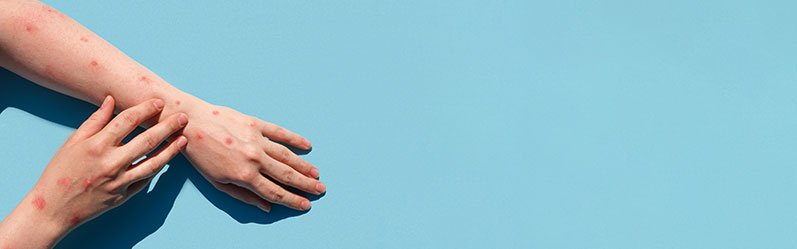
Dyskeratosis refers to abnormal or premature keratinization of cells in the skin or mucous membranes. It is most commonly seen as Dyskeratosis Congenita (a rare genetic disorder) or as a histological finding in various skin conditions where skin cells mature too quickly, leading to abnormal scaling, pigmentation changes, or nail and mucosal abnormalities. In homeopathy, remedies are used only as supportive care to help improve skin health, reduce abnormal keratinization, and support overall vitality. Dyskeratosis, especially the congenital form, is a serious genetic condition that requires specialist medical management.
(Images above show dyskeratosis — reticulated (net-like) hyperpigmentation of the skin, nail dystrophy, and white patches on the oral mucosa, which are classic features.)
Causes
Dyskeratosis is primarily caused by:
- Genetic mutations affecting telomere maintenance (most common in Dyskeratosis Congenita)
- Shortened telomeres leading to premature cell aging and abnormal keratinization
- In acquired forms: chronic irritation, inflammation, or sun damage
- Rarely associated with bone marrow failure or increased cancer risk
Symptoms
Common symptoms include:
- Reticulated (lace-like) brownish-gray pigmentation on the neck, chest, and arms
- Nail dystrophy (ridging, splitting, or loss of nails)
- White patches (leukoplakia) on the tongue or inside the mouth
- Thin, fragile skin with excessive scaling or dryness
- Hair abnormalities (sparse hair or premature graying)
- In severe cases: bone marrow failure, increased risk of cancers, or pulmonary fibrosis
Homeopathy Medicines with Key Symptoms and Doses
Homeopathic remedies for dyskeratosis are selected based on the skin changes, nail and mucosal symptoms, and the person’s constitution. They are used only as supportive care. The following are sometimes considered. Remedy selection must be determined only by a qualified homeopath after detailed case-taking, in close coordination with a dermatologist or hematologist. These are general guidelines only.
Silicea For delicate skin with poor healing, nail dystrophy, and tendency to suppuration or abnormal keratinization. Supports tissue strength. Typical use: 6X or 30C, 3-5 pellets 1-2 times daily.
Graphites For thick, cracked, dry skin with sticky discharge and nail changes. Itching and fissuring are prominent. Typical use: 30C, 3-5 pellets 1-2 times daily.
Natrum Muriaticum For dry, rough skin with white patches or pigmentation changes linked to emotional stress or grief. Typical use: 30C, 3-5 pellets 1-2 times daily.
Petroleum For very dry, cracked, and rough skin with deep fissures, worse in winter. Useful for abnormal keratinization. Typical use: 30C, 3-5 pellets 1-2 times daily.
Arsenicum Album For dry, scaly, burning skin with restlessness and anxiety. Better from warmth. Typical use: 30C, 3-5 pellets 1-2 times daily (short term).
Thuja Occidentalis For warty or abnormal skin growths with history of suppressed eruptions. Helps in abnormal keratinization. Typical use: 30C, 3-5 pellets 1-2 times daily (short courses).
Sulphur For unhealthy, dry, itchy skin with burning sensations and tendency to chronic eruptions. Typical use: 30C or 200C, sparingly (once weekly under guidance).
Calcarea Carbonica For fair, sweaty persons with constitutional sluggishness and slow skin recovery. Typical use: 30C or 200C, 3-5 pellets once or twice weekly.
Mezereum For thick crusts with intense itching and possible oozing. Typical use: 30C, 3-5 pellets 1-2 times daily.
Sepia For brownish pigmentation and dry skin in women with hormonal imbalance or exhaustion. Typical use: 30C, 3-5 pellets 1-2 times daily.
Important guidance: Dyskeratosis Congenita is a genetic disorder that may involve bone marrow failure and increased cancer risk, requiring regular monitoring by hematologists and dermatologists. Acquired dyskeratosis is managed by treating the underlying cause and using moisturizers or topical therapies. Homeopathy may help improve skin texture, reduce abnormal keratinization, and support vitality as supportive care but must never replace proper medical evaluation and treatment. Avoid harsh soaps and protect skin from sun. This information is for educational purposes only and not a substitute for professional medical or homeopathic advice. Consult a qualified dermatologist or genetic specialist immediately for accurate diagnosis and management, and a registered homeopath for individualized supportive remedy selection. Regular follow-up is essential to monitor for complications.