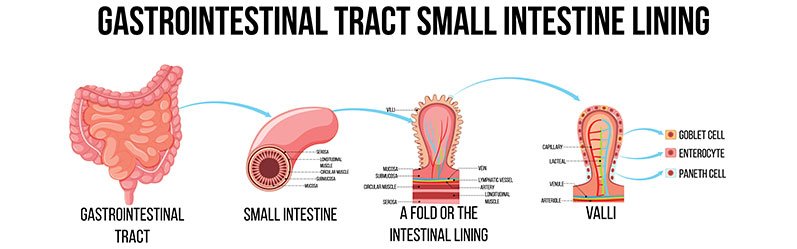
Duodenal Ulcer is a type of peptic ulcer that forms in the lining of the duodenum, the first part of the small intestine just after the stomach. It occurs when the protective mucous layer is damaged, allowing stomach acid and digestive enzymes to erode the tissue. It is one of the most common causes of upper abdominal pain and can lead to complications like bleeding or perforation if untreated. In homeopathy, remedies are used only as supportive care to help reduce burning pain, acidity, nausea, and promote mucosal healing. Duodenal ulcer requires proper medical diagnosis and treatment, often involving acid-suppressing drugs and eradication of H. pylori if present.
(Images above show a typical duodenal ulcer — a well-defined crater-like lesion in the duodenal lining seen on endoscopy.)
Causes
Duodenal ulcer is mainly caused by:
- Infection with Helicobacter pylori bacteria
- Long-term use of NSAIDs (like ibuprofen) or aspirin
- Excessive stomach acid production
- Smoking, alcohol, stress, and spicy foods
- Rarely, Zollinger-Ellison syndrome or other hyperacidity conditions
Symptoms
Common symptoms include:
- Burning or gnawing pain in the upper abdomen (epigastrium), often relieved temporarily by food or antacids but worse when hungry or at night
- Bloating, nausea, vomiting, or sour belching
- Loss of appetite and weight loss in chronic cases
- Heartburn or acid reflux
- In severe cases: vomiting blood, black stools, or sudden severe pain (indicating bleeding or perforation)
Homeopathy Medicines with Key Symptoms and Doses
Homeopathic remedies for duodenal ulcer are selected based on the character of pain, modalities, and the person’s overall constitution. The following are commonly considered for supportive management. Remedy selection must be determined only by a qualified homeopath after detailed case-taking, in close coordination with a gastroenterologist. These are general guidelines only.
Nux Vomica For burning pain with irritability, nausea, and bloating. Symptoms are worse in the morning or after overeating/stress; the person is impatient. Typical use: 30C, 3-5 pellets 1-2 times daily.
Robinia For intense acidity with sour vomiting or belching that worsens at night. Very useful for acid-related duodenal pain. Typical use: 30C, 3-5 pellets 1-2 times daily.
Arsenicum Album For burning pain with great anxiety, restlessness, and thirst for small sips. Better from warmth and warm drinks. Typical use: 30C, 3-5 pellets 1-2 times daily (short term).
Argentum Nitricum For sharp, gnawing pain with craving for sweets and anxiety. Pain is often relieved by eating but returns soon after. Typical use: 30C, 3-5 pellets 1-2 times daily.
Lycopodium Clavatum For bloating and fullness after small meals with right-sided pain relieved by belching. Suited to persons with low confidence. Typical use: 30C or 200C, 3-5 pellets 1-2 times daily.
Kali Bichromicum For pain with stringy mucus or ropy discharge; ulcer pain is localized and better from eating. Typical use: 30C, 3-5 pellets 1-2 times daily.
Carbo Vegetabilis For slow digestion, heavy bloated feeling, and air hunger. Food feels like a lump in the stomach. Typical use: 30C, 3-5 pellets 1-2 times daily.
Ipecacuanha For constant nausea with clean tongue; vomiting of undigested food gives no relief. Typical use: 30C, 3-5 pellets 1-2 times daily.
Natrum Phosphoricum For sour eructations and acidity with golden-yellow tongue coating. Helps regulate acid balance. Typical use: 6X or 30C, 3-5 pellets 1-2 times daily.
Sulphur Often used as an intercurrent remedy in chronic cases with burning sensations and unhealthy tendency. Typical use: 30C or 200C, sparingly (once weekly under guidance).
Important guidance: Duodenal ulcer is best managed by treating the root cause — eradicating H. pylori (if present), stopping NSAIDs, using acid-suppressing medicines (PPIs), and lifestyle changes (small frequent meals, avoiding triggers like spicy food, alcohol, smoking). Homeopathy may help relieve pain, burning, and digestive symptoms as supportive care but must never replace proper gastroenterology evaluation and treatment. Seek immediate medical help if there is vomiting of blood, black stools, severe pain, or sudden worsening. This information is for educational purposes only and not a substitute for professional medical or homeopathic advice. Consult a qualified gastroenterologist for accurate diagnosis (via endoscopy) and treatment, and a registered homeopath for individualized supportive remedy selection. With timely care, most duodenal ulcers heal well and complications can be prevented.