Drug-Induced Anemia is a condition in which certain medications cause a decrease in red blood cells or hemoglobin levels, leading to reduced oxygen-carrying capacity in the blood. It can result from bone marrow suppression, increased red cell destruction (hemolysis), or bleeding. This type of anemia is usually reversible once the offending drug is stopped, but it can become serious if not identified early. In homeopathy, remedies are used only as supportive care to help improve vitality, support blood formation, and relieve symptoms like fatigue and weakness. Drug-induced anemia requires immediate medical attention to identify the causative drug and provide appropriate treatment.

(Images above illustrate anemia — pale appearance, fatigue, and changes in blood cells due to drug effects on bone marrow or red cell destruction.)
Causes
Drug-induced anemia is mainly caused by:
- Bone marrow suppression from chemotherapy, antibiotics (e.g., chloramphenicol), or anticonvulsants
- Immune-mediated hemolysis from drugs like penicillin, cephalosporins, or NSAIDs
- Oxidative stress leading to red cell breakdown (e.g., in G6PD deficiency with certain drugs like primaquine)
- Gastrointestinal bleeding induced by NSAIDs, aspirin, or anticoagulants
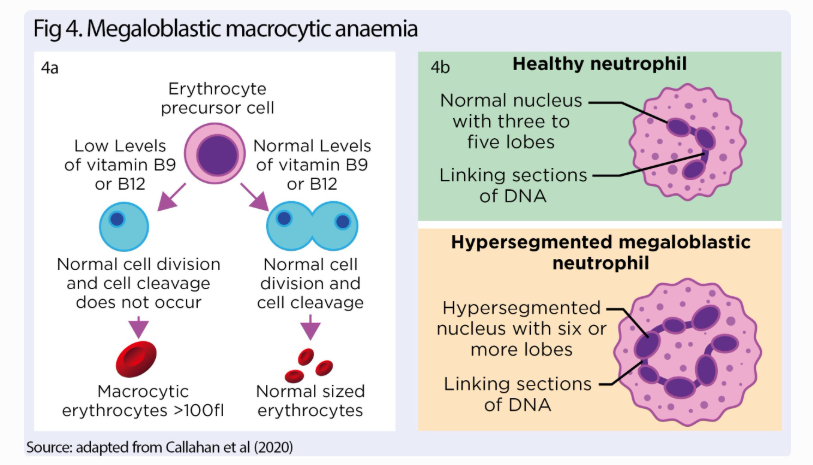
- Interference with vitamin B12 or folic acid absorption (e.g., metformin, anticonvulsants)
Symptoms
Common symptoms include:
- Fatigue, weakness, and tiredness even with mild activity
- Pale skin, lips, and nail beds
- Shortness of breath, dizziness, or palpitations
- Headache, cold hands and feet
- Rapid heartbeat or chest pain in severe cases
- In hemolytic types: jaundice or dark urine
Homeopathy Medicines with Key Symptoms and Doses
Homeopathic remedies for drug-induced anemia are selected based on the type of anemia, associated symptoms, and the person’s constitution. They may be used supportively after stopping the offending drug and under medical supervision. The following are sometimes considered. Remedy selection must be determined only by a qualified homeopath after detailed case-taking, in close coordination with a hematologist. These are general guidelines only.
Ferrum Metallicum For anemia with marked pallor, weakness, and exhaustion. The person feels better from slow motion but worse from exertion. Typical use: 30C or 6X, 3-5 pellets 1-2 times daily.
China Officinalis For anemia due to blood loss or fluid loss with great debility, bloating, and sensitivity to cold. Typical use: 30C, 3-5 pellets 1-2 times daily.
Natrum Muriaticum For anemia with weakness, craving for salt, and emotional suppression or grief. The person feels worse in the sun. Typical use: 30C, 3-5 pellets 1-2 times daily.
Calcarea Phosphorica For anemia with slow recovery, bone weakness, and growing pains. Supports blood and bone marrow health. Typical use: 6X or 30C, 3-5 pellets 1-2 times daily.
Arsenicum Album For extreme weakness, anxiety, restlessness, and burning sensations with thirst for small sips. Better from warmth. Typical use: 30C, 3-5 pellets 1-2 times daily (short term).
Phosphorus For anemia with tendency to bleeding, weakness, and craving for cold drinks. The person is sensitive and fearful. Typical use: 30C, 3-5 pellets 1-2 times daily (use cautiously).
Silicea For slow recovery with weakness and tendency to suppuration in chronic cases. Typical use: 6X or 30C, 3-5 pellets 1-2 times daily.
Lycopodium Clavatum For anemia with digestive weakness, bloating, and lack of self-confidence. Symptoms are worse in the late afternoon. Typical use: 30C or 200C, 3-5 pellets 1-2 times daily.
Carbo Vegetabilis For collapse-like weakness, coldness, and air hunger in severe anemia. Typical use: 30C, 3-5 pellets 1-2 times daily (short term).
Sulphur Often used as an intercurrent remedy in chronic cases with unhealthy tendency or when symptoms do not respond well. Typical use: 30C or 200C, sparingly (once weekly under guidance).
Important guidance: Drug-induced anemia is managed by immediately stopping the suspected medication (under medical advice), treating the underlying mechanism (e.g., blood transfusion, erythropoietin, or vitamins), and monitoring blood counts. Homeopathy may help improve energy, support blood formation, and relieve symptoms as supportive care but must never replace hematological evaluation and conventional treatment. Regular blood tests (CBC, reticulocyte count) are essential. This information is for educational purposes only and not a substitute for professional medical or homeopathic advice. Consult a qualified hematologist immediately for accurate diagnosis and management if you suspect drug-induced anemia, and a registered homeopath for individualized supportive remedy selection. Early recognition and prompt action usually lead to good recovery.