Diastolic Dysfunction is a heart condition in which the left ventricle (lower chamber of the heart) becomes stiff and does not relax properly during the filling phase (diastole). As a result, the heart does not fill with enough blood, even though the pumping strength (ejection fraction) may remain normal. It is a major cause of heart failure with preserved ejection fraction (HFpEF). Over time, it can lead to increased pressure in the lungs and symptoms of heart failure. In homeopathy, remedies are used only as supportive care to help improve heart function, reduce symptoms like breathlessness and fatigue, and support overall vitality. Diastolic dysfunction requires lifelong conventional medical management including blood pressure control, lifestyle changes, and medicines prescribed by a cardiologist.
![Systolic Heart Failure vs Diastolic Heart Failure: Symptoms, Diagnosis, Treatment, and Prognosis [MCAT, USMLE, Biology, Medicine] – Moosmosis](https://moosmosis.wordpress.com/wp-content/uploads/2023/04/systolicdiastolic_heartfailure.5518685646fab-e1553788922847.png)
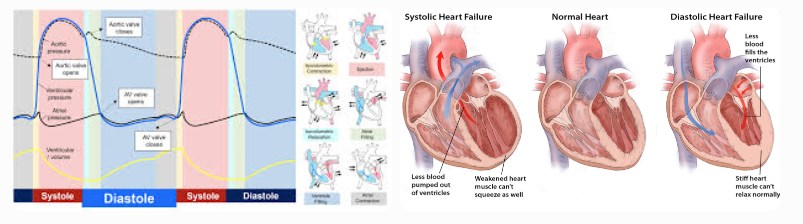
(Images above show normal heart filling during diastole compared to diastolic dysfunction — stiff left ventricle with impaired relaxation and reduced filling.)
Causes
The main causes include:
- Long-standing high blood pressure (hypertension)
- Aging and thickening of heart muscle
- Diabetes, obesity, and coronary artery disease
- Aortic valve problems or hypertrophic cardiomyopathy
- Other factors: chronic kidney disease, sleep apnea, or infiltrative diseases
Symptoms
Many people have no symptoms in early stages. As it progresses, common symptoms are:
- Shortness of breath (dyspnea), especially on exertion or when lying flat
- Fatigue and reduced exercise tolerance
- Swelling in legs, ankles, or abdomen (edema)
- Palpitations or irregular heartbeat
- Cough or wheezing, especially at night
- In advanced cases: chest discomfort or dizziness
Homeopathy Medicines with Key Symptoms and Doses
Homeopathic remedies for diastolic dysfunction are chosen based on the individual’s constitution, specific symptoms, and associated conditions like hypertension or fluid retention. The following are commonly considered for supportive management. Remedy selection must be determined only by a qualified homeopath after detailed case-taking, in close coordination with a cardiologist. These are general guidelines only. Regular monitoring of heart function (echocardiogram, BNP levels) is essential.
Arsenicum Album Indicated for dyspnea with great anxiety and restlessness. The person feels better sitting up, craves small sips of water, and feels chilly but better from warmth. Useful in cases with cardiac weakness and edema. Typical use: 30C, 3-5 pellets 1-2 times daily during symptomatic episodes.
Digitalis Purpurea For slow, weak pulse with sensation of the heart stopping or fluttering. Dyspnea and edema are prominent; the person may feel faint on rising. Typical use: 30C, 3-5 pellets 1-2 times daily (under expert guidance).
Crataegus Oxyacantha A well-known heart tonic in homeopathy for weak heart muscle, dyspnea on exertion, and hypertension. Helps improve circulation and reduce fatigue. Typical use: 30C or mother tincture (as advised), 3-5 pellets 1-2 times daily.
Lycopodium Clavatum For bloating, digestive weakness, and dyspnea worse in the late afternoon. The person has right-sided symptoms and lack of confidence. Typical use: 30C or 200C, 3-5 pellets 1-2 times daily.
Natrum Sulphuricum Useful when symptoms worsen in damp weather with fluid retention and respiratory complaints. Supports liver and heart function. Typical use: 30C, 3-5 pellets 1-2 times daily.
Apis Mellifica For puffiness and edema with stinging or burning sensations. Breathing difficulty is relieved by cold air or applications. Typical use: 30C, 3-5 pellets 1-2 times daily.
Carbo Vegetabilis For air hunger with desire to be fanned. The person feels cold, exhausted, and bloated; better from belching. Typical use: 30C, 3-5 pellets 1-2 times daily.
Aurum Metallicum For heart complaints with high blood pressure and depression. The person may have a history of vascular issues. Typical use: 30C or 200C, sparingly (once or twice weekly).
Cactus Grandiflorus For sensation of the heart being constricted or squeezed with radiating pain. Dyspnea with iron-band feeling around the chest. Typical use: 30C, 3-5 pellets 1-2 times daily.
Sulphur Often used as an intercurrent remedy in chronic cases with burning sensations, heat intolerance, and tendency to skin or circulatory complaints. Typical use: 30C or 200C, sparingly (once weekly under guidance).
Important guidance: The foundation of managing diastolic dysfunction is strict control of blood pressure, weight management, regular exercise (as tolerated), low-salt diet, and treatment of underlying conditions like diabetes. Medicines such as diuretics, beta-blockers, or SGLT2 inhibitors may be prescribed by your cardiologist. Homeopathy may offer supportive benefits for symptoms and vitality but cannot replace conventional cardiac care or regular echocardiogram monitoring. Avoid self-medication. This information is for educational purposes only and not a substitute for professional medical or homeopathic advice. Consult a qualified cardiologist immediately for proper diagnosis, treatment, and monitoring, and a registered homeopath for individualized supportive remedy selection. Lifestyle changes and early intervention can slow progression and improve quality of life.