
Diabetic Foot is a serious complication of long-standing diabetes that affects the feet due to a combination of nerve damage (neuropathy) and poor blood circulation (peripheral vascular disease). It can lead to ulcers, infections, gangrene, and in severe cases, amputation. Even minor injuries can become dangerous because of reduced sensation and slow healing. In homeopathy, remedies are used only as supportive care to help reduce pain, promote healing of ulcers, improve circulation, and support overall vitality. Diabetic foot is a medical emergency that requires immediate conventional care from a diabetologist, podiatrist, or vascular surgeon.
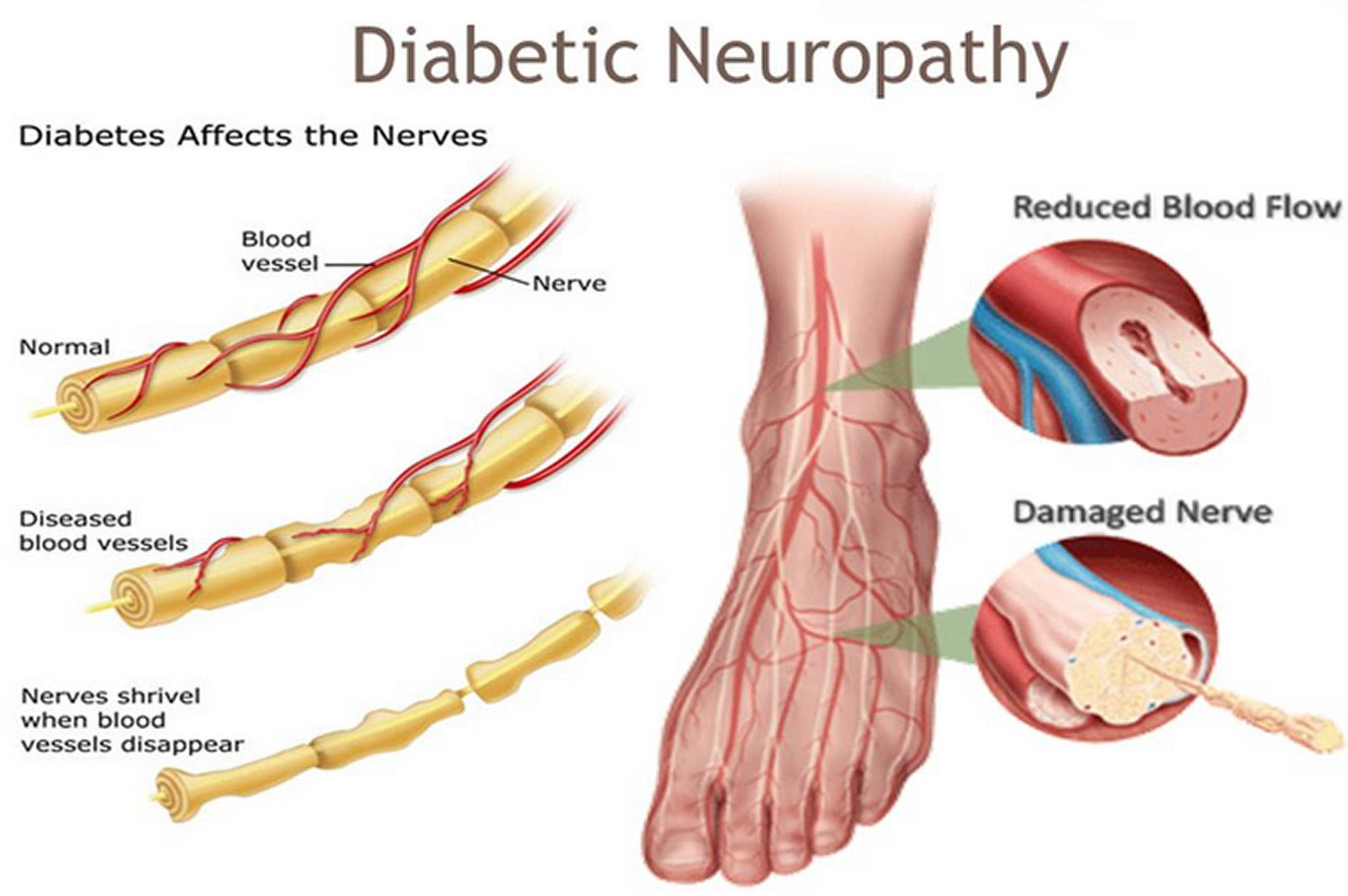

(Images above show typical diabetic foot complications — neuropathy with loss of sensation, ulcers, poor healing, and risk of gangrene due to reduced blood flow.)
Causes
Diabetic foot develops mainly due to:
- Long-term high blood sugar damaging nerves (diabetic neuropathy) and blood vessels
- Reduced blood flow (peripheral artery disease) leading to poor oxygen and nutrient supply
- Loss of protective sensation, making minor injuries unnoticed
- Poor wound healing due to high sugar levels and weakened immunity
- Risk factors: smoking, obesity, improper footwear, and neglect of foot care
Symptoms
Common symptoms include:
- Numbness, tingling, or burning sensation in the feet
- Loss of feeling (patient may not feel pain from cuts or blisters)
- Slow-healing ulcers or wounds, often on pressure points (sole, toes, heel)
- Changes in skin color, temperature, or dryness with cracks
- Swelling, redness, or foul-smelling discharge if infected
- In advanced cases: blackening of tissue (gangrene) or deformity (Charcot foot)
Homeopathy Medicines with Key Symptoms and Doses
Homeopathic remedies for diabetic foot are selected based on the individual’s symptoms, type of pain, ulcer characteristics, and constitution. They may help as supportive care alongside strict blood sugar control and wound management. Remedy selection must be determined only by a qualified homeopath after detailed case-taking, in close coordination with a diabetologist or vascular surgeon. These are general guidelines only.
Arsenicum Album For burning pain in the feet with great anxiety and restlessness. The person feels chilly but better from warmth; useful in gangrenous tendency. Typical use: 30C, 3-5 pellets 1-2 times daily (short term).
Secale Cornutum Indicated for cold, bluish feet with burning pain (better from cold applications). Useful in cases with poor circulation and gangrene risk. Typical use: 30C, 3-5 pellets 1-2 times daily (under expert guidance).
Silicea For slow-healing ulcers with tendency to suppuration. Supports tissue repair and expulsion of foreign material. Typical use: 6X or 30C, 3-5 pellets 1-2 times daily.
Hypericum Perforatum For sharp, shooting nerve pain with tingling or numbness in the feet due to neuropathy. Typical use: 30C, 3-5 pellets 1-2 times daily.
Lachesis Muta For left-sided ulcers or bluish discoloration with extreme sensitivity to touch. Symptoms worsen after sleep. Typical use: 30C, 3-5 pellets 1-2 times daily (short term).
Apis Mellifica For swollen, stinging, or burning ulcers with puffy appearance, better from cold. Typical use: 30C, 3-5 pellets 1-2 times daily.
Carbo Vegetabilis For cold, bluish extremities with air hunger and exhaustion in advanced circulatory weakness. Typical use: 30C, 3-5 pellets 1-2 times daily (short term).
Calcarea Carbonica For fair, sweaty persons with constitutional weakness and slow-healing tendency in diabetic complications. Typical use: 30C or 200C, 3-5 pellets once or twice weekly.
Sulphur Often used as an intercurrent remedy for burning sensations, unhealthy skin, and chronic cases with poor healing. Typical use: 30C or 200C, sparingly (once weekly under guidance).
Mercurius Solubilis For offensive discharge from ulcers with swollen glands and pain worse at night. Typical use: 30C, 3-5 pellets 1-2 times daily (short term).
Important guidance: Diabetic foot is a medical emergency. Strict blood sugar control, daily foot inspection, proper footwear, and immediate wound care are essential. Any ulcer, redness, or swelling requires urgent medical attention to prevent amputation. Treatment may include antibiotics, debridement, vascular surgery, or hyperbaric oxygen in severe cases. Homeopathy may provide supportive relief for pain and healing but must never replace conventional diabetic foot care and specialist management. Avoid walking barefoot, keep feet clean and moisturized, and never self-treat serious wounds. This information is for educational purposes only and not a substitute for professional medical or homeopathic advice. Consult a qualified diabetologist, podiatrist, or vascular surgeon immediately for proper diagnosis and treatment, and a registered homeopath only for individualized supportive remedy selection. Good foot care and glycemic control can prevent most complications.