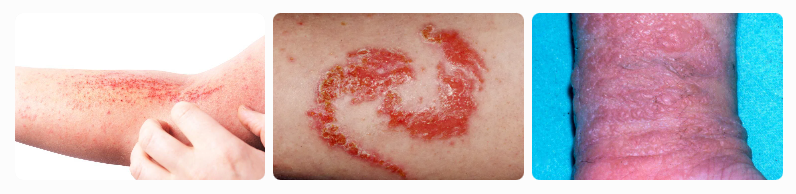
Contact Dermatitis is an itchy, inflammatory skin reaction that occurs when the skin comes into direct contact with an irritating substance (irritant contact dermatitis) or an allergen (allergic contact dermatitis). It is not contagious and usually affects only the area of contact, though it can spread in some cases. The rash can range from mild redness to severe blistering and oozing. In homeopathy, remedies are used only as supportive care to help reduce itching, inflammation, redness, and promote skin healing. Contact dermatitis is best managed by identifying and avoiding the trigger.
:max_bytes(150000):strip_icc()/VWH-DermNet-AllergicContactDermatitis-01-b5f408ff86a84e429ea924b2cbdda931.jpg)
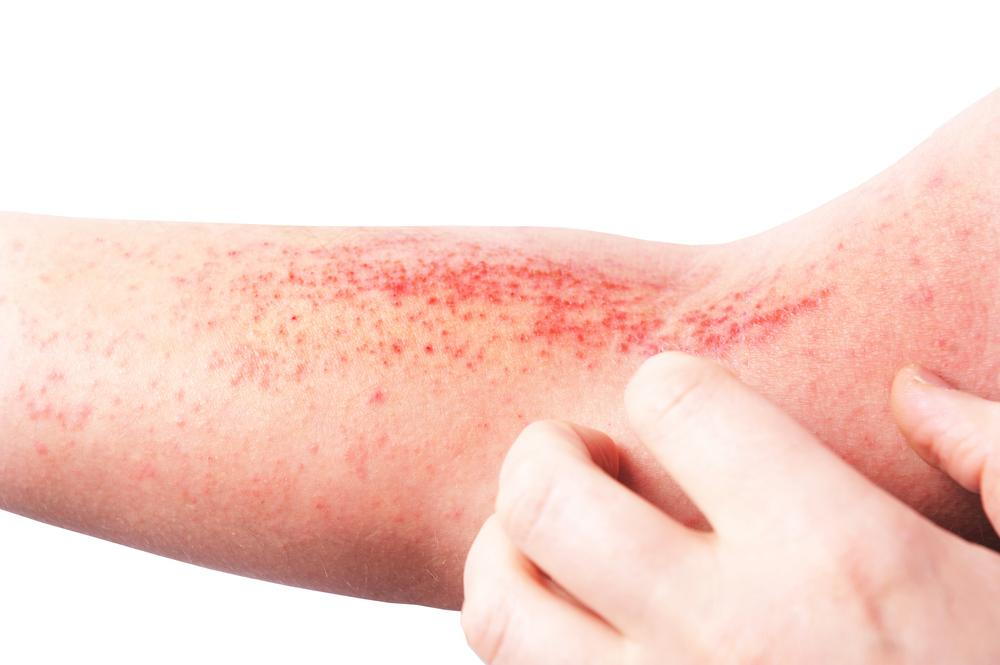
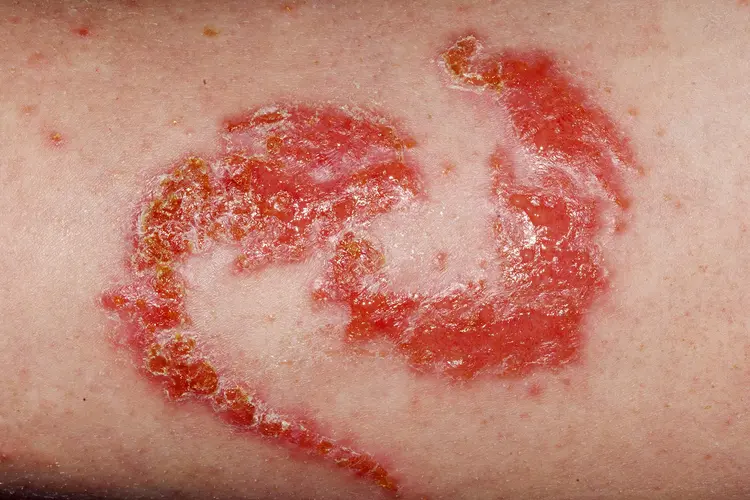
(Images above show typical contact dermatitis — red, itchy rash with possible blisters, scaling, or oozing on the skin.)
Causes
Contact dermatitis occurs due to:
- Irritants: Soaps, detergents, solvents, acids, alkalis, or frequent hand washing
- Allergens: Nickel (in jewelry), fragrances, cosmetics, plants (poison ivy), latex, preservatives, or hair dyes
- Weakened skin barrier, excessive moisture, or friction
- Genetic predisposition or history of atopic conditions
Symptoms
Common symptoms include:
- Intense itching, burning, or stinging sensation
- Red, inflamed rash that may appear swollen or warm
- Dry, cracked, or scaly skin (in chronic cases)
- Small fluid-filled blisters that may ooze and crust
- In darker skin tones: darker patches or violet-brown discoloration
- Tenderness or pain in the affected area
Homeopathy Medicines with Key Symptoms and Doses
Homeopathic remedies for contact dermatitis are chosen based on the type of eruption, itching, discharge, and individual constitution. The following are commonly considered for supportive management. Remedy selection must be determined only by a qualified homeopath after detailed case-taking, in coordination with a dermatologist. These are general guidelines only.
Graphites For thick, sticky, honey-like discharge with cracking and oozing skin, especially in folds or behind ears. Itching is intense. Typical use: 30C, 3-5 pellets 1-2 times daily.
Rhus Toxicodendron For red, swollen, blistering eruptions with intense itching and restlessness. Symptoms improve from warm applications and continued motion. Typical use: 30C, 3-5 pellets 1-2 times daily.
Sulphur For dry, rough, scaly skin with violent burning and itching, worse from heat or washing. The skin feels unhealthy. Typical use: 30C or 200C, sparingly (once weekly under guidance).
Petroleum For very dry, cracked, and rough skin with deep fissures and intense itching, especially worse in winter. Typical use: 30C, 3-5 pellets 1-2 times daily.
Natrum Muriaticum For dry, raw, inflamed skin with clear fluid or crusting. Often linked to emotional stress or grief. Typical use: 30C, 3-5 pellets 1-2 times daily.
Mezereum For thick, crusty eruptions with intense itching and oozing. Painful when scratched. Typical use: 30C, 3-5 pellets 1-2 times daily.
Arsenicum Album For burning pain with anxiety and restlessness. The skin is dry, scaly, and better from warmth. Typical use: 30C, 3-5 pellets 1-2 times daily (short term).
Hepar Sulphuris For very sensitive, pus-forming eruptions with stinging pain. Better from warmth. Typical use: 30C, 3-5 pellets 1-2 times daily (short term).
Calendula Officinalis For raw, open surfaces with risk of infection. Supports clean healing. Typical use: 30C, 3-5 pellets 1-2 times daily.
Silicea For slow-healing or chronic cases with tendency to suppuration and weakness. Typical use: 6X or 30C, 3-5 pellets 1-2 times daily.
Important guidance: The most effective treatment for contact dermatitis is to identify and completely avoid the triggering substance. Use gentle moisturizers, cool compresses, and barrier creams. Severe cases may need topical steroids or antihistamines prescribed by a dermatologist. Homeopathy may help reduce itching, inflammation, and promote healing as supportive care but must never replace proper identification of the allergen/irritant and medical advice. This information is for educational purposes only and not a substitute for professional medical or homeopathic advice. Consult a qualified dermatologist for accurate diagnosis and management (especially if the rash is widespread, infected, or persistent), and a registered homeopath for individualized supportive remedy selection. With trigger avoidance and proper care, most cases resolve well.