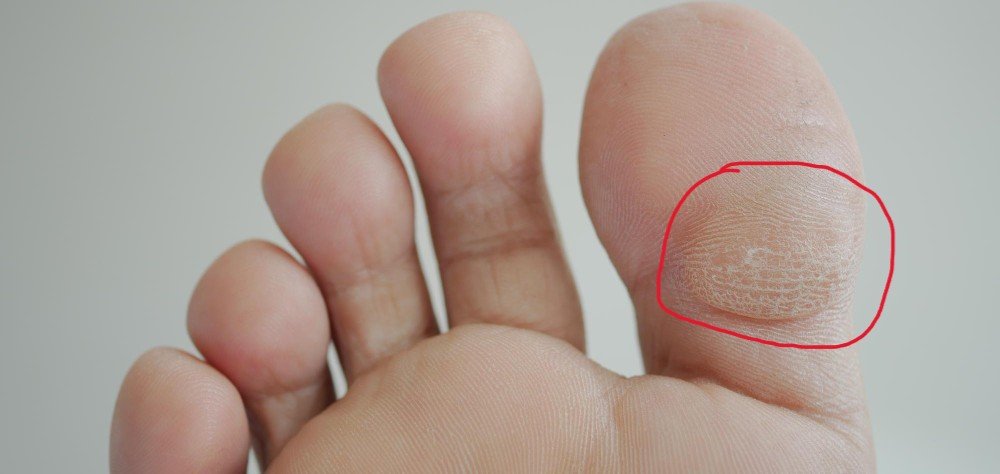
Corns (also called helomas) are thickened, hardened areas of skin that develop due to repeated pressure or friction, most commonly on the toes or soles of the feet. They are not a disease but a protective response of the skin to chronic irritation (usually from ill-fitting shoes, high heels, tight footwear, foot deformities like hammertoes or bunions, or abnormal gait).
Corns are not cured or dissolved by any medicine — homeopathic or otherwise. The only way to permanently remove a corn is to eliminate the underlying mechanical cause (pressure/friction) through proper footwear, orthotics, padding, or — in stubborn cases — minor surgical paring/excision by a podiatrist or dermatologist. Most homeopathic claims about “dissolving” corns are anecdotal and not supported by any reliable clinical evidence.
Seek podiatrist or dermatologist evaluation if corns are painful, recurrent, infected (redness, pus, swelling), bleed, or interfere with walking. In Hyderabad, consult podiatrists or dermatologists at Apollo, Yashoda, Care Hospitals, KIMS, or government centers (Osmania, Gandhi Hospital). Avoid self-cutting or using acid-based corn plasters without guidance — this can cause ulcers or infection.
Common Symptoms of Corns
- Hard, thickened, raised area of skin (usually round or conical)
- Pain or tenderness when pressure is applied (walking, standing, tight shoes)
- Hard corns: small, dense, shiny, with a central core (most common on tops/sides of toes)
- Soft corns: white, rubbery, macerated (usually between toes, moist from sweat)
- Burning, stinging, or sharp pain on direct pressure
- Sometimes yellowish discoloration or waxy appearance
- Pain worse with friction, narrow shoes, or barefoot walking on hard surfaces
Homeopathic remedies are chosen based on individual symptoms (pain type, location, better/worse factors). Below are the most commonly referenced remedies in homeopathic literature for corns and callosities.
Homeopathic Remedies for Corns (One by One)
- Antimonium Crudum One of the most frequently indicated remedies for hard, horny, thickened corns and callosities. Corns are very sensitive to touch; painful when walking; rough, cracked skin; thick, honey-like or white coating on tongue; irritable temperament; worse heat/cold bathing; better open air. Classic for chronic, sensitive, horny corns on soles/toes. Typical potency & dose: 30C; 3–5 pellets 2–3 times daily for 7–10 days, then reduce to once daily or stop if improving. Can be used longer-term at lower frequency if helpful.
- Calcarea Fluorica Frequently used for hard, stony, indurated corns and callosities. Hard, nodular, fibrous growths; stiffness/rigidity in affected area; pain from pressure; better continued motion/heat; worse cold/damp. Considered the main “tissue salt” for bony/hardened skin growths and exostoses. Typical potency & dose: 6X or 12X (biochemic/tissue salt); 3–5 tablets 3–4 times daily for several weeks–months. Reduce to once or twice daily if improvement occurs.
- Thuja Occidentalis For painful corns with a sensation of splinter or nail under the skin; corns after vaccination or suppressed eruptions; warty, cauliflower-like growths; offensive sweat; worse cold/damp; better warmth. Sometimes for corns with a “warty” or moist appearance. Typical potency & dose: 30C or 200C; 3–5 pellets once or twice weekly (constitutional/infrequent dosing). Avoid very frequent repetition.
- Silicea For chronic, slow-resolving corns with tendency to suppuration or fistula; hard, indurated skin; offensive sweat; chilly patient; lack of vital heat; slow healing; corns that crack or fissure. For stubborn, chronic corns with poor resistance. Typical potency & dose: 30C or 6X; 3–5 pellets once or twice daily (chronic cases often lower frequency). Avoid in acute suppuration without guidance.
- Nitricum Acidum For painful corns with splinter-like or splinter-under-nail sensation; bleeding when cut; cracks/fissures that bleed easily; sharp, stitching pains; offensive discharge; worse touch/cold. For very painful, fissured, bleeding corns. Typical potency & dose: 30C; 3–5 pellets 2–3 times daily during painful phase, reduce frequency as pain lessens.
- Sulphur For chronic, burning, itching corns; worse heat of bed/night; red/hot skin; dry, rough, scaly skin; craving sweets; aversion to bathing. For longstanding, dirty-looking, burning corns. Typical potency & dose: 30C; 3–5 pellets once or twice daily (avoid frequent repetition — strong remedy). Often used as a single or low-frequency dose.
General Dosing Guidelines (Informational Only):
- Use 30C potency most commonly for acute pain or recent corns; 6X/12X tissue salts for longer-term hard/calcified corns.
- 3–5 pellets/tablets under tongue (avoid food/strong smells 15 min before/after).
- Frequency: Every 2–4 hours initially during intense pain, taper quickly as better (max 3–4 times/day).
- Stop if no improvement in 2–4 weeks or if pain/inflammation worsens — re-evaluate or seek podiatry/orthopedic care (may need paring, padding, orthotics).
These are traditional homeopathic symptom-matching suggestions — not proven to dissolve, remove, or treat calcaneal spurs or corns. In Hyderabad, remedies available at SBL, Reckeweg, Bakson pharmacies or homeopathic clinics.
The most effective long-term approach combines:
- Properly fitted shoes with wide toe box and cushioning
- Daily calf & plantar fascia stretching
- Silicone heel pads or orthotics
- Professional paring by a podiatrist if painful callus persists
Consult an orthopedist or podiatrist if heel pain persists >6–8 weeks despite rest, stretching, and proper footwear — many cases improve significantly with conservative measures. Take care and walk comfortably soon!