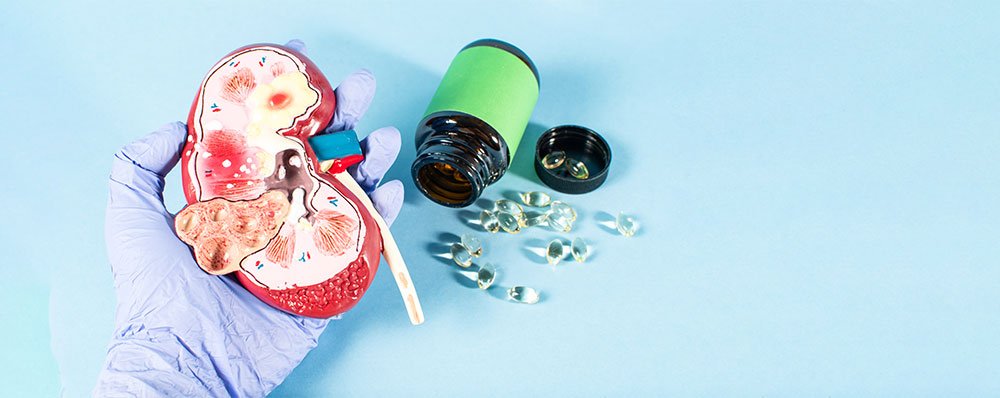
Chronic Kidney Disease (CKD), also called chronic renal failure, is a progressive, irreversible condition where the kidneys gradually lose function over months to years, often due to diabetes, hypertension, glomerulonephritis, polycystic kidney disease, prolonged obstruction, or recurrent infections. It progresses through stages 1–5 (based on eGFR), with stage 5 being end-stage renal disease (ESRD) requiring dialysis or transplant. Conventional management is essential: blood pressure/glucose control, ACE inhibitors/ARBs, low-protein/low-salt diet, phosphate binders, erythropoietin for anemia, dialysis/transplant when needed, and avoiding nephrotoxins.
Homeopathy has limited scientific evidence for treating CKD. Reviews (e.g., narrative reviews in Indian Journal of Research in Homoeopathy, systematic reviews on alternative systems) note weak evidence overall—mostly case reports, small case series, or low-quality RCTs showing possible symptom relief (e.g., pruritus, fatigue, asthenia) or creatinine/urea changes in some patients, but no strong proof of slowing progression, regenerating kidneys, or replacing dialysis/transplant. Mainstream nephrology (NKF, Mayo Clinic, ICMR) does not recommend homeopathy as primary therapy; benefits may be placebo or supportive at best. Never use homeopathy alone—delaying conventional care risks faster decline, complications (anemia, bone disease, heart issues, hyperkalemia), or death. In Hyderabad, consult nephrologists at Yashoda, AIG Hospitals, Apollo, KIMS, or government centers like Osmania/Gandhi Hospital for eGFR monitoring, dietitian input, and dialysis if needed.
Common Symptoms of Chronic Kidney Disease
Symptoms often appear late (stage 3+); early stages may be silent:
- Fatigue, weakness, or low energy
- Swelling (edema) in legs, ankles, feet, face, or hands (from fluid retention)
- Reduced urine output or foamy urine (proteinuria)
- Frequent urination (especially at night) or difficulty urinating
- High blood pressure
- Nausea, vomiting, loss of appetite, metallic taste in mouth
- Itchy skin (pruritus) or dry skin
- Shortness of breath (from fluid overload or anemia)
- Muscle cramps, restless legs, bone/joint pain
- Confusion, poor concentration, or sleep issues (uremic encephalopathy in advanced stages)
- Anemia symptoms: pale skin, cold intolerance
Homeopathic remedies match individual symptoms (e.g., edema type, mental state). Below are commonly referenced in homeopathic sources (materia medica, case reports, practitioner guides) for CKD support—informational only.
Homeopathic Remedies Sometimes Referenced for CKD Symptoms (One by One)
- Apis Mellifica For scanty/suppressed urine, high-colored urine, frequent urging with burning/soreness; dropsical swellings (edema without thirst); weakness; no acute exacerbation. Often for edematous, inflammatory pictures without much thirst. Typical potency & dose: 30C; 3–5 pellets 2–3 times daily or every 4 hours for acute swelling, reduce as better.
- Arsenicum Album Frequently cited across stages. Burning pains; dark/offensive urine; extreme prostration/weakness after urination; restlessness/anxiety (worse midnight); chilly (better warmth); thirst for small sips often; fear of death; diarrhea. For cachectic, anxious, exhausted states. Typical potency & dose: 30C; 3–5 pellets every 2–4 hours initially in distress, taper to 1–2 times daily.
- Lycopodium Clavatum For digestive weakness with bloating; right-sided kidney/liver issues; scanty urine; fatigue; craving sweets; low confidence. Sometimes for early/moderate CKD with GI symptoms. Typical potency & dose: 30C or 200C; 3–5 pellets 1–2 times daily or less frequent (chronic/constitutional).
- Serum Anguillae (Eel Serum) For high creatinine/uremia; kidney failure symptoms; oliguria; edema; weakness. Often in cases with elevated renal parameters (mentioned in case studies for creatinine reduction). Typical potency & dose: 30C or mother tincture (low doses); 3–5 pellets or drops 1–2 times daily, under guidance.
- Cantharis For intense burning during urination; frequent urging with scanty output; kidney region soreness; possible hematuria. For irritative/acute-on-chronic flares. Typical potency & dose: 30C; 3–5 pellets every 2–4 hours during burning/urging.
- Apocynum Cannabinum For dropsy/edema with scanty urine; cardiac involvement; weak heart action; ascites; thirstless. Sometimes for fluid overload in advanced CKD. Typical potency & dose: 30C or mother tincture; 3–5 pellets/drops 2–3 times daily.
General Dosing Guidelines (Informational Only):
- Use 30C commonly for symptom support (lower like 6C/mother tincture for some organ remedies).
- 3–5 pellets under tongue (avoid food/strong smells 15 min before/after).
- Frequency: 1–3 times daily for chronic; more frequent (every 2–4 hours) in acute symptoms, taper quickly.
- Stop if no improvement or worsening—revert to nephrologist (monitor creatinine/eGFR regularly).
- Higher potencies (200C+) infrequent; require qualified homeopath.
These are from traditional homeopathic sources/case reports—not proven to treat CKD. Focus on conventional management: BP/sugar control, diet (low protein/phosphate/potassium as advised), hydration (unless restricted), and specialist follow-up. In Hyderabad, remedies available at SBL, Reckeweg, Bakson pharmacies. Homeopathy, if used, strictly complementary and discussed with your nephrologist to avoid risks. Take care and prioritize medical care!