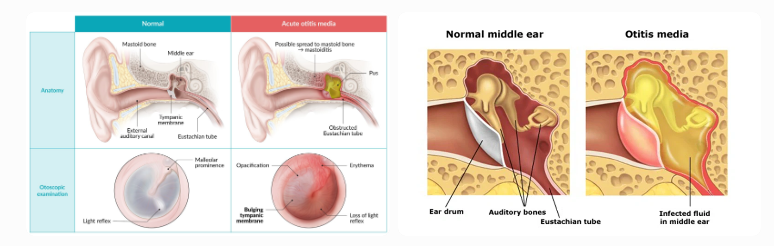
Chronic Ear Infection, medically known as Chronic Otitis Media (or Chronic Suppurative Otitis Media when there is persistent discharge), is a long-lasting inflammation or infection of the middle ear that persists for weeks to months or recurs frequently. Unlike acute infections that resolve quickly, chronic cases often involve fluid buildup, eardrum perforation, or ongoing low-grade infection, which can affect hearing and lead to complications if untreated. In homeopathy, remedies are selected based on the individual’s specific symptoms, discharge characteristics, pain modalities, and overall constitution rather than the diagnosis alone. Homeopathy aims to support the body’s healing, reduce inflammation, promote drainage, and lower recurrence tendency. It is frequently used as a complementary approach alongside conventional care (e.g., antibiotics when needed, ear cleaning, or surgery like tympanoplasty in advanced cases). Professional medical evaluation with an ENT specialist is essential to assess eardrum status, hearing, and rule out serious issues.
Causes
Chronic ear infections often develop from repeated acute infections, unresolved fluid in the middle ear (otitis media with effusion), or poor Eustachian tube function that fails to equalize pressure and drain fluid. Contributing factors include frequent upper respiratory infections, allergies, enlarged adenoids, exposure to cigarette smoke, bottle-feeding in infants while lying down, weakened immunity, perforated eardrum allowing bacterial entry, or anatomical issues. In some cases, biofilm-forming bacteria (like Pseudomonas or Staphylococcus) make the infection persistent and resistant.
Symptoms
Symptoms in chronic cases are often milder than acute but persistent or recurrent:
- Dull or intermittent ear pain or discomfort
- Persistent or recurrent ear discharge (otorrhea) — may be thick, yellow, green, bloody, or foul-smelling
- Reduced hearing or a feeling of fullness/blockage in the ear
- Tinnitus (ringing or buzzing), dizziness, or balance issues in some cases
- Itching or irritation inside the ear
- General fatigue, recurrent colds, or swollen lymph nodes around the neck/ear
Symptoms may worsen with cold weather, water exposure (swimming), or upper respiratory infections.
Homeopathy Medicines with Key Symptoms and Doses
Homeopathic remedies work best when closely matched to the full symptom picture. The following are commonly considered for chronic ear infections based on traditional materia medica. Remedy selection, potency, and frequency must be determined by a qualified homeopath after detailed case evaluation. These are general guidelines only. Stop when clear improvement begins and reassess. Self-medication is not advised, especially with discharge or hearing loss.
Silicea Indicated for chronic ear infections with slow-healing tendency, recurrent discharge of thin, offensive pus, or bone involvement (caries). There may be stitching or splinter-like pains, sensitivity to cold, and weakness. Useful when every cold settles in the ears. Typical use: 6X or 30C, 3-5 pellets 1-2 times daily (monitor closely for progress).
Hepar Sulphuris Suited when the ear is extremely sensitive to touch, cold air, or drafts. Discharge is thick, yellow, and offensive; pain is sharp or throbbing, worse at night. The person is chilly and irritable; helps in cases with suppuration. Typical use: 30C, 3-5 pellets 2-3 times daily during active painful or discharging phase.
Mercurius Solubilis Useful for chronic suppurative cases with profuse, thin, greenish, or bloody discharge that smells offensive. Shooting or tearing pains extending to throat or teeth, excessive salivation, bad breath, and night aggravation. Swollen glands may be present. Typical use: 30C, 3-5 pellets 1-2 times daily.
Pulsatilla Nigricans Indicated for ear infections following colds with thick, bland or yellowish-green discharge. Pain is better in open air and worse in warm rooms; changeable symptoms, mild weepy disposition, and desire for consolation. Typical use: 30C, 3-5 pellets 1-2 times daily.
Kali Sulphuricum Helpful in later stages of chronic ear infection with yellow, slimy, or sticky discharge and shifting pains. Ears feel blocked with roaring or crackling sounds; symptoms worse in warm rooms and better in open air. Typical use: 6X or 30C, 3-5 pellets 2-3 times daily.
Calcarea Sulphurica For chronic discharging ears with thick, yellow pus that continues for a long time. Useful when healing is slow and there is a tendency for abscess formation or unhealthy granulations. Typical use: 30C, 3-5 pellets once or twice daily.
Graphites Indicated when there is thick, sticky, honey-like or offensive discharge with cracking or fissuring in the ear canal. Itching and eczema-like skin changes around the ear; suits constipated persons with dry skin. Typical use: 30C, 3-5 pellets 1-2 times daily.
Tellurium Specific for chronic otitis media with very offensive, fishy-smelling discharge and itching deep inside the ear. Ears feel blocked with ringing or hissing sounds; useful in stubborn cases. Typical use: 30C, 3-5 pellets once or twice daily.
Psorinum A deep-acting remedy for highly chronic, recurrent ear infections in persons with poor vitality, extreme sensitivity to cold, and offensive discharges. Often used as an intercurrent remedy when well-selected remedies fail. Typical use: 200C, sparingly (single dose or as directed by a homeopath).
Ferrum Phosphoricum For early or sub-acute stages of chronic tendency with mild inflammation, throbbing, and slight discharge. Useful when symptoms are not very intense but keep recurring; helps reduce congestion. Typical use: 30C, 3-5 pellets 2-3 times daily in low-grade phases.
Important guidance: Chronic ear infections require thorough ENT evaluation (including audiometry and possible imaging) to check for eardrum perforation, cholesteatoma, or mastoid involvement. Homeopathy can support symptom relief and healing but should not replace necessary medical interventions like antibiotics (if bacterial), ear drops, or surgical procedures. Keep ears dry, avoid swimming without protection, manage allergies, and practice good hygiene. In children, address adenoids or Eustachian tube dysfunction. This information is for educational purposes only and not a substitute for professional medical or homeopathic advice. Always consult a qualified doctor (ENT specialist) and registered homeopath for accurate diagnosis and personalized treatment, especially if there is persistent discharge, hearing loss, fever, or dizziness.