Erythrocytosis (also called polycythemia) is a condition in which the body produces too many red blood cells. This makes the blood thicker than normal (hyperviscosity), which can slow blood flow and increase the risk of clots, heart problems, or stroke. It can be primary (bone marrow disorder like polycythemia vera) or secondary (due to other causes like low oxygen). In homeopathy, remedies are used only as supportive care to help improve blood quality, reduce viscosity symptoms, ease headaches, and support overall vitality. Erythrocytosis requires proper medical evaluation and monitoring by a hematologist.
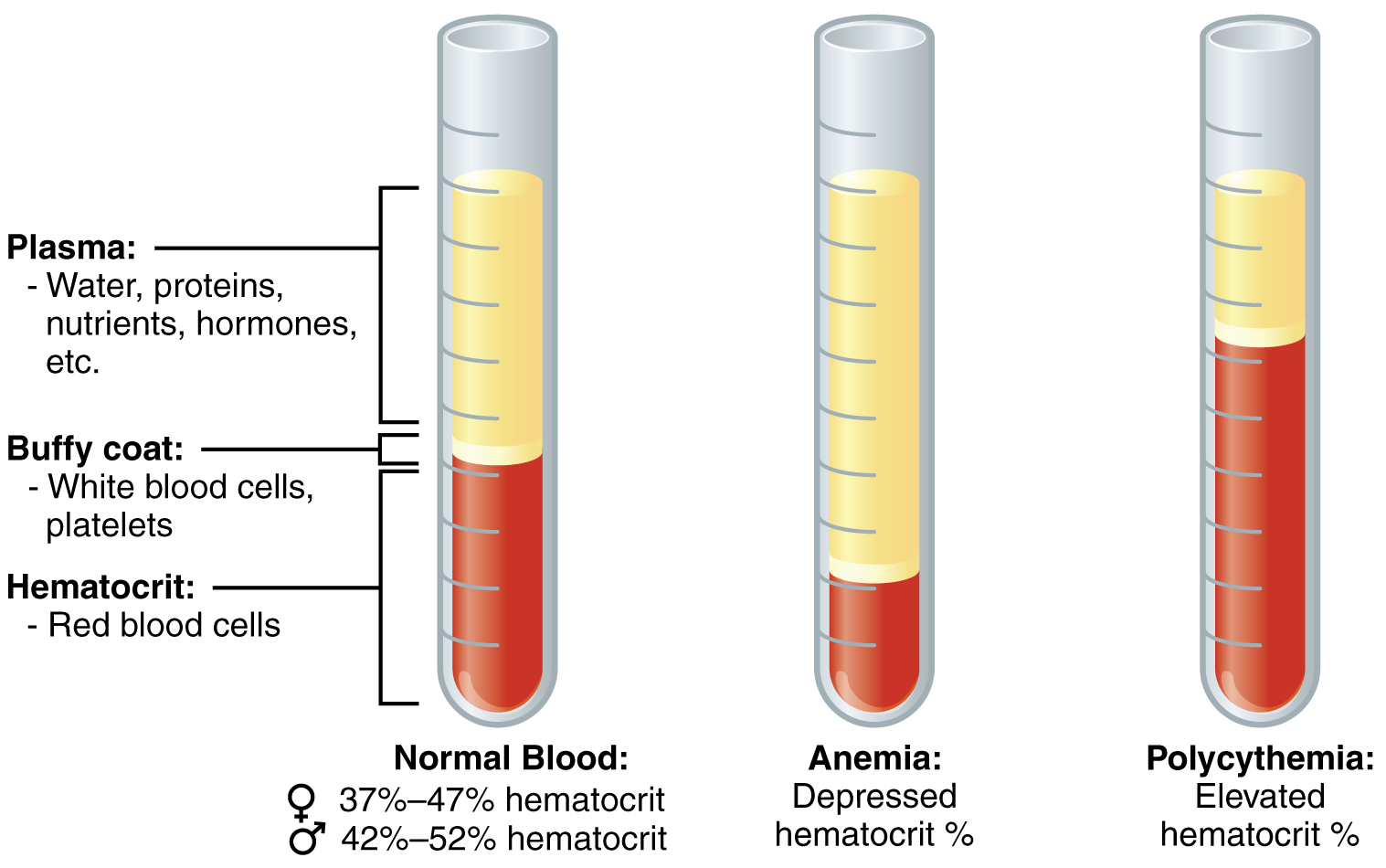

(Images above show erythrocytosis/polycythemia — comparison of normal blood vs. blood with high red blood cell concentration, plus common symptoms like red face, itching, and enlarged spleen.)
Causes
Erythrocytosis can be caused by:
- Primary: genetic mutation in bone marrow (e.g., JAK2 gene in polycythemia vera)
- Secondary: chronic low oxygen (smoking, lung diseases like COPD, high altitude, sleep apnea), kidney tumors, heart problems, or dehydration
- Other factors: certain medicines, testosterone therapy, or unknown causes
Symptoms
Common symptoms include:
- Headaches, dizziness, or blurred vision
- Red or flushed face (ruddy complexion)
- Itching, especially after warm showers
- Fatigue, weakness, or shortness of breath
- High blood pressure
- Easy bruising, bleeding from gums/nose, or risk of blood clots
- In severe cases: enlarged spleen or gout-like joint pain
Homeopathy Medicines with Key Symptoms and Doses
Homeopathic remedies for erythrocytosis are highly individualized based on the cause, blood symptoms, and the person’s constitution. They are used only as supportive care alongside conventional treatment (phlebotomy, low-dose aspirin, or medications to reduce red blood cell production). The following are sometimes considered. Remedy selection must be determined only by a qualified homeopath after detailed case-taking, in close coordination with a hematologist. These are general guidelines only.
Ferrum Metallicum For pale or flushed face with weakness, fatigue, and anemia-like symptoms alternating with excess red cells. Typical use: 30C, 3-5 pellets 1-2 times daily.
Arnica Montana For easy bruising, soreness, or tendency to bleeding with a feeling of bruised body. Typical use: 30C, 3-5 pellets 1-2 times daily (short term).
Lachesis Muta For left-sided symptoms, flushed face, sensitivity to heat, and tendency to bleeding or clots. Typical use: 30C, 3-5 pellets 1-2 times daily (short courses).
Natrum Muriaticum For high blood pressure, headaches, and fluid imbalance with craving for salt. Typical use: 30C, 3-5 pellets 1-2 times daily.
Phosphorus For tall, slender persons with bleeding tendency, dizziness, and sensitivity to light/noise. Typical use: 30C, 3-5 pellets 1-2 times daily (use cautiously).
Calcarea Carbonica For sluggish, fair, and sweaty persons with constitutional weakness and high blood pressure. Typical use: 30C or 200C, 3-5 pellets once or twice weekly.
Sulphur For chronic cases with itching, burning sensations, and unhealthy skin or blood tendency. Typical use: 30C or 200C, sparingly (once weekly under guidance).
Belladonna For sudden throbbing headaches, red hot face, and high blood pressure with restlessness. Typical use: 30C, 3-5 pellets 1-2 times daily (short term).
Arsenicum Album For anxiety, restlessness, weakness, and burning pains with fear of disease. Typical use: 30C, 3-5 pellets 1-2 times daily (short term).
China Officinalis For marked debility and weakness after fluid loss or repeated blood draws (phlebotomy). Typical use: 30C, 3-5 pellets 1-2 times daily.
Important guidance: Erythrocytosis is diagnosed by blood tests (high hemoglobin, hematocrit, and red blood cell count), JAK2 mutation testing, and other investigations to find the cause. Conventional treatment often includes phlebotomy (removing blood), low-dose aspirin to prevent clots, and medicines like hydroxyurea for primary cases. Lifestyle changes (stop smoking, manage weight, stay hydrated) are very important. Homeopathy may help relieve symptoms like headaches, itching, or fatigue as supportive care but must never replace hematological evaluation and prescribed treatment. Regular monitoring is essential to prevent complications like stroke or heart attack. This information is for educational purposes only and not a substitute for professional medical or homeopathic advice. Consult a qualified hematologist immediately for high red blood cell count or symptoms of erythrocytosis, and a registered homeopath for individualized supportive remedy selection. With proper management, many people live well with controlled erythrocytosis.