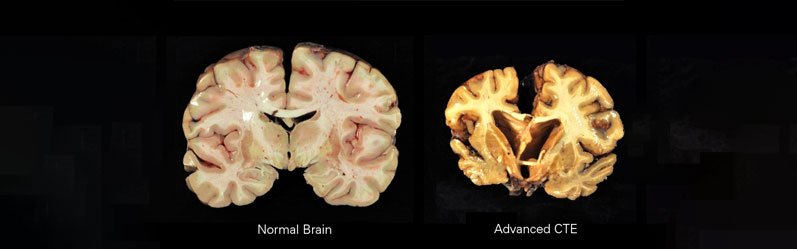
Encephalopathy is a broad term for any disease or disorder that affects the function or structure of the brain. It is not a single disease but a syndrome caused by many different underlying conditions. It leads to altered mental status, cognitive problems, and neurological symptoms. In homeopathy, remedies are used only as supportive care to help reduce confusion, restlessness, headaches, seizures (if present), and support brain function and vitality. Encephalopathy is a serious medical condition that requires urgent diagnosis and treatment of the underlying cause.

(Images above show encephalopathy — comparison of normal brain vs. damaged brain tissue, often with swelling, atrophy, or structural changes seen in advanced cases.)
Causes
Encephalopathy can result from many factors, including:
- Metabolic disturbances (hepatic, uremic, or hypoglycemic encephalopathy)
- Toxic causes (alcohol, drugs, heavy metals, or chemotherapy)
- Infections (viral, bacterial, or prion diseases)
- Hypoxia or lack of oxygen to the brain
- Trauma, stroke, or autoimmune conditions
- Genetic or degenerative disorders
Symptoms
Common symptoms vary depending on the type and severity but often include:
- Confusion, disorientation, or altered consciousness
- Memory problems, difficulty concentrating, or personality changes
- Headaches, drowsiness, or seizures
- Tremors, muscle twitching, or abnormal movements
- Fatigue, irritability, or speech difficulties
- In severe cases: coma or loss of brain function
Homeopathy Medicines with Key Symptoms and Doses
Homeopathic remedies for encephalopathy are highly individualized based on the underlying cause, mental symptoms, and the person’s constitution. They are used only as supportive care alongside treatment of the root cause (e.g., liver support, detoxification, or infection management). The following are sometimes considered. Remedy selection must be determined only by a qualified homeopath after detailed case-taking, in close coordination with a neurologist. These are general guidelines only.
Belladonna For sudden onset with throbbing headache, hot flushed face, dilated pupils, and delirium or restlessness. Typical use: 30C, 3-5 pellets 1-2 times daily (short term).
Hyoscyamus Niger For delirium with muttering, picking at bedclothes, jealousy, or suspicious behavior. Typical use: 30C, 3-5 pellets 1-2 times daily (short term).
Arsenicum Album For extreme anxiety, restlessness, fear of death, and burning sensations with prostration. Better from warmth. Typical use: 30C, 3-5 pellets 1-2 times daily (short term).
Helleborus Niger For stupor, slow responses, and dullness of mind with hydrocephalic or edematous brain symptoms. Typical use: 30C, 3-5 pellets 1-2 times daily.
Opium For deep stupor or coma-like state with dark face and snoring respiration. Typical use: 30C, 3-5 pellets sparingly (under expert guidance).
Lachesis Muta For left-sided symptoms, loquacity followed by stupor, and sensitivity to touch or constriction. Typical use: 30C, 3-5 pellets 1-2 times daily (short courses).
Phosphorus For tall, slender persons with fearfulness, trembling, and sensitivity to light or noise. Typical use: 30C, 3-5 pellets 1-2 times daily (use cautiously).
Calcarea Carbonica For sluggish, fearful persons with confusion and constitutional chilliness or sweat. Typical use: 30C or 200C, 3-5 pellets once or twice weekly.
Natrum Sulphuricum For post-traumatic or post-concussion encephalopathy with depression and headaches. Typical use: 30C, 3-5 pellets 1-2 times daily.
Silicea For delicate constitution with weakness, slow mental responses, and tendency to chronic complaints. Typical use: 6X or 30C, 3-5 pellets 1-2 times daily.
Important guidance: Encephalopathy is diagnosed through clinical examination, blood tests, MRI/CT scans, EEG, and lumbar puncture depending on suspected cause. Treatment focuses on correcting the underlying problem (e.g., managing liver failure, stopping toxins, treating infection, or controlling seizures). Homeopathy may help ease neurological symptoms and support recovery as supportive care but must never replace emergency medical or neurological evaluation. Prompt treatment of the cause is critical to prevent permanent brain damage. This information is for educational purposes only and not a substitute for professional medical or homeopathic advice. Seek immediate medical attention from a qualified neurologist or emergency physician for any signs of encephalopathy (confusion, seizures, altered consciousness), and consult a registered homeopath for individualized supportive remedy selection only under medical supervision. Early intervention can significantly improve outcomes.