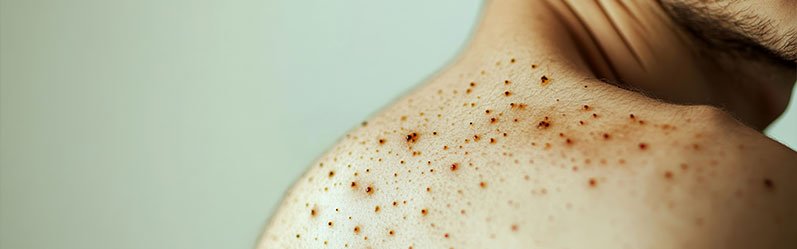
Epidermolysis Bullosa (EB) is a group of rare, inherited genetic disorders that cause the skin to be extremely fragile. Even minor friction or trauma can lead to painful blisters, erosions, and wounds. It is also known as “butterfly skin disease” because the skin is as delicate as a butterfly’s wings. In homeopathy, remedies are used only as supportive care to help reduce blister formation, promote healing of skin lesions, relieve pain, and support overall vitality. Epidermolysis bullosa is a lifelong genetic condition that requires specialized dermatological and multidisciplinary care.
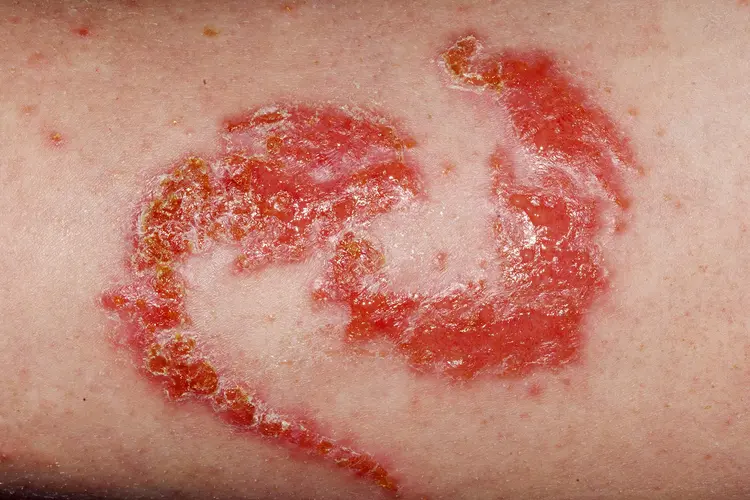
(Images above show epidermolysis bullosa — characteristic fragile skin with blisters, erosions, and scarring on hands, feet, and other friction-prone areas.)
Causes
Epidermolysis bullosa is caused by:
- Genetic mutations affecting proteins that hold the layers of skin together (such as keratin, collagen, or laminin)
- It is usually inherited (autosomal dominant or recessive)
- Different types (simplex, junctional, dystrophic, and Kindler syndrome) depend on the exact gene involved and the level of skin separation
Symptoms
Common symptoms include:
- Fragile skin that blisters easily with minor trauma or friction
- Painful blisters, erosions, and open wounds that heal slowly
- Scarring, milia (small white cysts), and nail dystrophy
- Involvement of mucous membranes (mouth, esophagus, eyes) leading to difficulty eating or vision problems
- In severe forms: fusion of fingers/toes, growth retardation, and increased risk of skin cancer
Homeopathy Medicines with Key Symptoms and Doses
Homeopathic remedies for epidermolysis bullosa are highly individualized based on the type and location of blisters, healing tendency, and the person’s constitution. They are used only as supportive care alongside wound management and specialist care. The following are commonly considered. Remedy selection must be determined only by a qualified homeopath after detailed case-taking, in coordination with a dermatologist. These are general guidelines only.
Silicea For slow-healing blisters, fragile skin, and tendency to suppuration or poor scar formation. Supports tissue strength. Typical use: 6X or 30C, 3-5 pellets 1-2 times daily.
Graphites For thick, sticky discharge from blisters with cracking and fissuring of skin. Useful in dystrophic forms with scarring. Typical use: 30C, 3-5 pellets 1-2 times daily.
Petroleum For very dry, cracked, and fragile skin with deep fissures that worsen in winter. Typical use: 30C, 3-5 pellets 1-2 times daily.
Causticum For raw, burning, or ulcerative blisters with tendency to contractures or scarring. Typical use: 30C, 3-5 pellets 1-2 times daily.
Arsenicum Album For burning pain in blisters with anxiety, restlessness, and extreme weakness. Better from warmth. Typical use: 30C, 3-5 pellets 1-2 times daily (short term).
Sulphur For unhealthy, itchy, or burning skin with poor healing tendency. Often used as an intercurrent remedy. Typical use: 30C or 200C, sparingly (once weekly under guidance).
Hepar Sulphuris For very sensitive, painful blisters with pus-forming tendency. Better from warmth. Typical use: 30C, 3-5 pellets 1-2 times daily (short term).
Calcarea Fluorica For connective tissue weakness, scarring, and hard nodules or contractures. Typical use: 6X or 30C, 3-5 pellets 1-2 times daily.
Natrum Muriaticum For dry, cracked skin with emotional suppression or grief contributing to overall sensitivity. Typical use: 30C, 3-5 pellets 1-2 times daily.
Thuja Occidentalis For blistering with history of suppressed eruptions or vaccinations. Typical use: 30C, 3-5 pellets 1-2 times daily (short courses).
Important guidance: Epidermolysis bullosa is a genetic disorder diagnosed by skin biopsy, genetic testing, and clinical examination. Management focuses on wound care, infection prevention, nutritional support, and pain control. Severe forms may require multidisciplinary care including dermatology, gastroenterology, and ophthalmology. Homeopathy may help reduce blistering tendency, promote healing, and relieve pain as supportive care but must never replace specialized medical management. Gentle handling, protective dressings, and avoiding trauma are essential. This information is for educational purposes only and not a substitute for professional medical or homeopathic advice. Consult a qualified dermatologist or genetic specialist for accurate diagnosis and lifelong management of epidermolysis bullosa, and a registered homeopath for individualized supportive remedy selection. Consistent wound care can greatly improve quality of life.