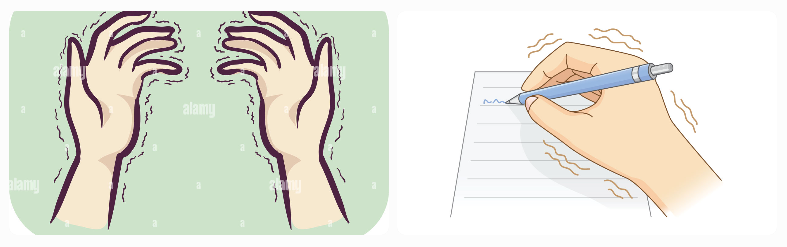
Essential Tremor is a common neurological disorder that causes involuntary, rhythmic shaking (tremor), most often in the hands, but it can also affect the head, voice, or other parts of the body. It is sometimes called "familial tremor" because it often runs in families. Unlike Parkinson’s disease, essential tremor usually occurs during action (action tremor) rather than at rest and does not typically cause other major neurological problems. In homeopathy, remedies are used only as supportive care to help reduce the intensity of tremor, ease anxiety, and improve control over movements. Essential tremor is a chronic condition that requires proper neurological evaluation.
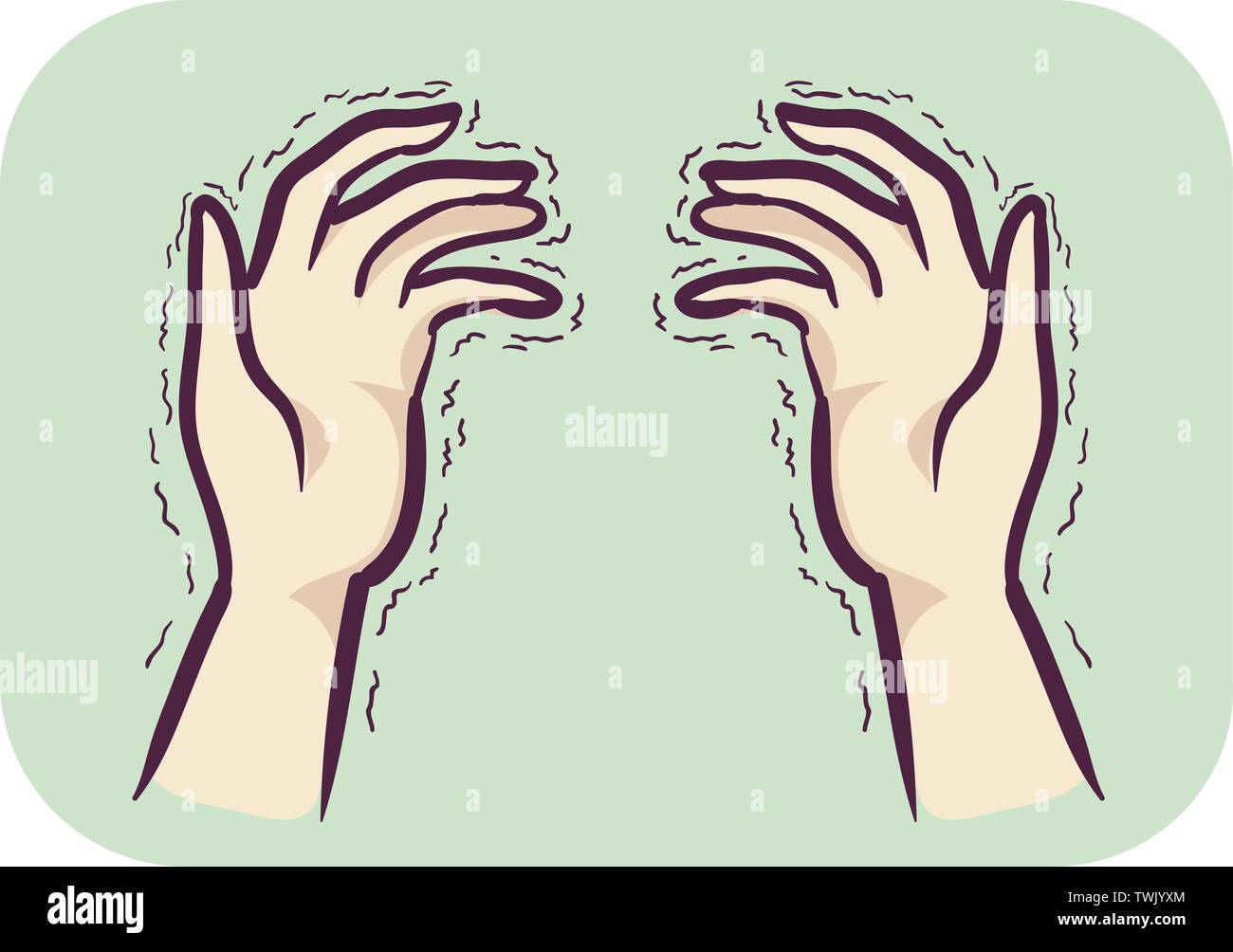

(Images above show essential tremor — typical shaking of hands during action, such as writing or holding objects, with rhythmic oscillations.)
Causes
Essential tremor is primarily caused by:
- Genetic factors (often inherited in an autosomal dominant pattern)
- Abnormal communication between certain areas of the brain (cerebellum and thalamus)
- Age-related changes (more common after age 40)
- Triggers like stress, fatigue, caffeine, or certain medications can worsen it
Symptoms
Common symptoms include:
- Rhythmic shaking of the hands, especially when performing tasks (writing, eating, holding objects)
- Head nodding (yes-yes or no-no tremor) or shaky voice
- Tremor that improves with rest and worsens with stress, anxiety, or intentional movement
- Usually affects both sides of the body, though one side may be more affected
- No major weakness or loss of balance in most cases
Homeopathy Medicines with Key Symptoms and Doses
Homeopathic remedies for essential tremor are highly individualized based on the type of tremor, triggers, and the person’s constitution. They are used only as supportive care alongside lifestyle modifications and conventional management if needed. The following are commonly considered. Remedy selection must be determined only by a qualified homeopath after detailed case-taking, in coordination with a neurologist. These are general guidelines only.
Gelsemium Sempervirens For trembling with weakness, heaviness of limbs, and nervousness. Tremor is worse from anticipation or fright. Typical use: 30C, 3-5 pellets 1-2 times daily.
Agaricus Muscarius For twitching and trembling of muscles, especially with icy coldness or tingling sensations. Jerking movements. Typical use: 30C, 3-5 pellets 1-2 times daily.
Zincum Metallicum For restless trembling, fidgety legs, and tremors worsened by suppressed emotions or exhaustion. Typical use: 30C, 3-5 pellets 1-2 times daily.
Plumbum Metallicum For slow, paralytic-type trembling with weakness and emaciation. Tremor of hands while writing. Typical use: 30C, 3-5 pellets 1-2 times daily (under guidance).
Conium Maculatum For trembling that begins in the hands and spreads, with dizziness or vertigo. Worse from alcohol. Typical use: 30C, 3-5 pellets 1-2 times daily.
Lycopodium Clavatum For right-sided tremor with digestive weakness, lack of confidence, and bloating. Typical use: 30C or 200C, 3-5 pellets 1-2 times daily.
Arsenicum Album For anxious trembling with restlessness and burning sensations. Better from warmth. Typical use: 30C, 3-5 pellets 1-2 times daily (short term).
Sulphur For chronic trembling with burning or itching sensations. Often used as an intercurrent remedy. Typical use: 30C or 200C, sparingly (once weekly under guidance).
Magnesia Phosphorica For spasmodic or crampy tremor relieved by warmth and pressure. Typical use: 6X or 30C, 3-5 pellets 1-2 times daily.
Silicea For trembling due to nervous weakness and sensitivity. Slow, delicate constitution. Typical use: 6X or 30C, 3-5 pellets 1-2 times daily.
Important guidance: Essential tremor is diagnosed clinically and sometimes with neurological tests to rule out other conditions like Parkinson’s. Conventional management includes beta-blockers (propranolol), anticonvulsants, or in severe cases, deep brain stimulation. Lifestyle measures like reducing caffeine, managing stress, and using weighted utensils can help. Homeopathy may help reduce tremor intensity and associated anxiety as supportive care but must never replace neurological evaluation and prescribed treatment. This information is for educational purposes only and not a substitute for professional medical or homeopathic advice. Consult a qualified neurologist for persistent tremor (especially if it interferes with daily activities), and a registered homeopath for individualized supportive remedy selection. With proper management, most people with essential tremor can maintain a good quality of life.