Epilepsy is a chronic neurological disorder characterized by recurrent, unprovoked seizures due to sudden, abnormal electrical activity in the brain. It can affect people of any age and may vary in severity from brief staring spells to prolonged convulsions. In homeopathy, remedies are used only as supportive care to help reduce the frequency or intensity of seizures and support nervous system balance. Epilepsy requires lifelong medical supervision with anti-seizure medications in most cases.

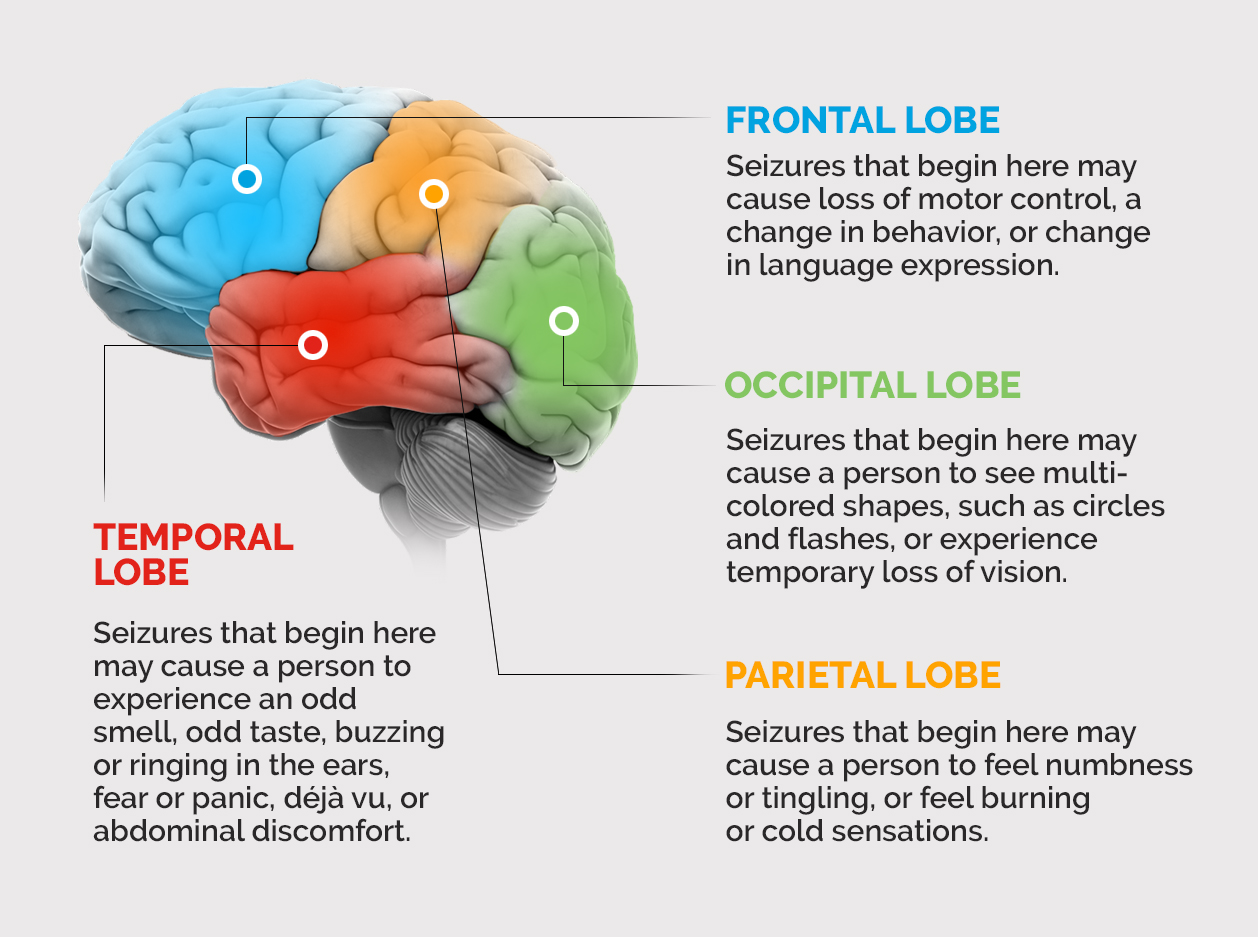
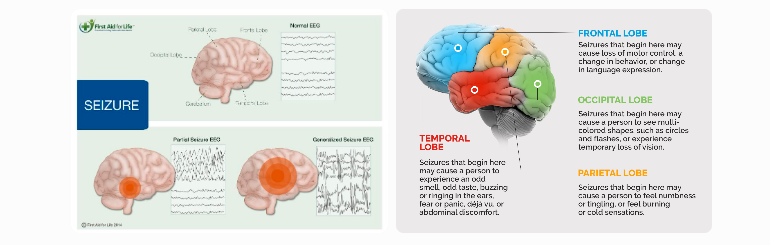
(Images above show epilepsy — brain regions involved in seizures, EEG patterns during normal activity versus partial and generalized seizures.)
Causes
Epilepsy can result from:
- Genetic factors or inherited tendency
- Brain injury, trauma, stroke, or tumors
- Infections (meningitis, encephalitis), birth complications, or developmental disorders
- Metabolic imbalances, electrolyte disturbances, or unknown (idiopathic) causes in many cases
Symptoms
Common symptoms depend on the type of seizure and include:
- Sudden loss of consciousness or awareness
- Convulsions with jerking movements of limbs or whole body
- Staring spells, lip smacking, or automatisms (petit mal/absence seizures)
- Aura (warning sensations like strange smells, déjà vu, or fear)
- Confusion, fatigue, or headache after a seizure (post-ictal phase)
- In some cases: falls, tongue biting, or loss of bladder control
Homeopathy Medicines with Key Symptoms and Doses
Homeopathic remedies for epilepsy are highly individualized based on the type of seizure, aura, triggers, and the person’s constitution. They are used only as supportive care alongside conventional treatment. The following are sometimes considered. Remedy selection must be determined only by a qualified homeopath after detailed case-taking, in close coordination with a neurologist. These are general guidelines only.
Cicuta Virosa For violent convulsions with marked rigidity, opisthotonos (backward arching), and twitching. Often indicated when seizures follow head injury. Typical use: 30C, 3-5 pellets sparingly (under expert guidance).
Cuprum Metallicum For seizures beginning in fingers or toes and spreading upward, with strong muscle cramps and cyanosis. Useful in clonic or tonic-clonic seizures. Typical use: 30C, 3-5 pellets 1-2 times daily (short term, under guidance).
Belladonna For sudden onset with high fever or throbbing, red face, dilated pupils, and delirium during seizures. Typical use: 30C, 3-5 pellets sparingly (short term).
Stramonium For violent delirium, fear, hallucinations, or convulsions triggered by bright light or fright. The person may have staring eyes. Typical use: 30C, 3-5 pellets sparingly (under guidance).
Hyoscyamus Niger For twitching, muttering delirium, or jealous/suspicious behavior during or between seizures. Typical use: 30C, 3-5 pellets 1-2 times daily (short term).
Artemisia Vulgaris For petit mal seizures with staring, sudden stopping of activity, or leaning forward/backward. Typical use: 30C, 3-5 pellets 1-2 times daily.
Bufo Rana For seizures with foaming at the mouth, twitching, or episodes linked to sexual excitement or during sleep. Typical use: 30C, 3-5 pellets sparingly.
Silicea For chronic cases with sensitivity to light/noise, weakness, and slow development in children. Typical use: 6X or 30C, 3-5 pellets 1-2 times daily.
Agaricus Muscarius For jerking of single muscle groups or twitching all over, with icy coldness or tingling. Typical use: 30C, 3-5 pellets 1-2 times daily.
Zincum Metallicum For restless legs, twitching, and seizures worsened by suppressed eruptions or exhaustion. Typical use: 30C, 3-5 pellets 1-2 times daily.
Important guidance: Epilepsy is managed primarily with anti-epileptic drugs (AEDs), lifestyle modifications (regular sleep, stress reduction, avoiding triggers like flashing lights), and sometimes surgery in drug-resistant cases. Regular EEG and neurological follow-up are essential. Homeopathy may help as supportive care to improve overall well-being but must never replace prescribed anti-seizure medication or medical advice. Never stop conventional treatment without consulting your neurologist. This information is for educational purposes only and not a substitute for professional medical or homeopathic advice. Consult a qualified neurologist for accurate diagnosis, treatment, and seizure management, and a registered homeopath for individualized supportive remedy selection in coordination with your doctor. With proper treatment, most people with epilepsy can lead normal, active lives.