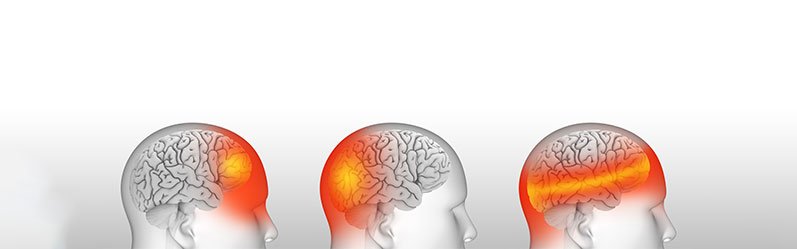
Encephalitis is a serious inflammation of the brain tissue, usually caused by viral infections. It can lead to swelling, damage to brain cells, and potentially life-threatening complications if not treated promptly. In homeopathy, remedies are used only as supportive care to help manage symptoms such as high fever, headache, restlessness, delirium, or convulsions while supporting the body's recovery. Encephalitis is a medical emergency requiring immediate hospital care, including antiviral medications, supportive treatment, and monitoring.
(Images above show encephalitis — brain inflammation visible on MRI scans with swelling, and clinical signs such as high fever, altered mental status, or seizures.)
Causes
Encephalitis is primarily caused by:
- Viral infections (herpes simplex virus, enteroviruses, arboviruses like Japanese encephalitis, West Nile virus)
- Bacterial, fungal, or parasitic infections (less common)
- Autoimmune reactions where the immune system attacks brain tissue
- Rarely, post-infection or vaccination-related inflammation
Symptoms
Common symptoms include:
- High fever, severe headache, and neck stiffness
- Confusion, drowsiness, altered mental status, or delirium
- Seizures or convulsions
- Sensitivity to light (photophobia), nausea, vomiting
- In severe cases: coma, paralysis, speech difficulties, or personality changes
- Symptoms often develop suddenly and can progress rapidly
Homeopathy Medicines with Key Symptoms and Doses
Homeopathic remedies for encephalitis focus on symptom similarity for supportive management only. They are never a substitute for urgent conventional treatment. The following are sometimes considered in literature for acute inflammatory brain conditions. Remedy selection must be determined only by a qualified homeopath experienced in acute cases after detailed case-taking, in close coordination with neurologists and infectious disease specialists. These are general guidelines only.
Belladonna For sudden, violent onset with high fever, throbbing headache, red flushed face, dilated pupils, delirium, and sensitivity to light/noise/jarring. Typical use: 30C, 3-5 pellets 1-2 times daily (short term, under expert guidance).
Stramonium For violent delirium with fear, hallucinations, convulsions, and restlessness. The person may have wide staring eyes and terror. Typical use: 30C, 3-5 pellets sparingly (under guidance).
Hyoscyamus Niger For muttering delirium, twitching, jealousy, or suspicious behavior with less fever than Belladonna. Typical use: 30C, 3-5 pellets 1-2 times daily (short term).
Arsenicum Album For extreme anxiety, restlessness, burning pains, and prostration with thirst for small sips. Better from warmth. Typical use: 30C, 3-5 pellets 1-2 times daily (short term).
Helleborus Niger For stupor, slow response, and brain involvement with rolling of the head or automatic movements. Typical use: 30C, 3-5 pellets 1-2 times daily (short term).
Apis Mellifica For brain swelling with stinging pains, puffy face, and thirstlessness. Better from cold applications. Typical use: 30C, 3-5 pellets 1-2 times daily (short term).
Gelsemium For heavy, drowsy feeling with dull headache, trembling, and weakness. Onset may be gradual. Typical use: 30C, 3-5 pellets 1-2 times daily.
Bryonia Alba For irritability, worsening from any movement, dry mouth, and desire to be left alone. Typical use: 30C, 3-5 pellets 1-2 times daily (short term).
Cuprum Metallicum For convulsions with spasms, especially if there is cramping or cyanosis. Typical use: 30C, 3-5 pellets sparingly.
Sulphur Often used as an intercurrent remedy in sub-acute or recovering stages with burning sensations. Typical use: 30C or 200C, sparingly (once weekly under guidance).
Important guidance: Encephalitis requires immediate emergency medical care, hospitalization, diagnostic tests (MRI, lumbar puncture, blood tests), and specific treatment (antivirals like acyclovir for herpes, antibiotics if bacterial, supportive ICU care). Early intervention can prevent permanent brain damage. Homeopathy may offer supportive symptom relief but must never replace conventional medical management. This information is for educational purposes only and not a substitute for professional medical or homeopathic advice. If encephalitis is suspected (fever + neurological symptoms), seek emergency medical help immediately. Consult a qualified neurologist or infectious disease specialist for accurate diagnosis and treatment, and a registered homeopath only for individualized supportive remedy selection in coordination with the medical team. Prompt care significantly improves outcomes.