Ebola (Ebola Virus Disease or EVD) is a rare but severe and often fatal viral hemorrhagic fever caused by viruses from the Ebolavirus genus. It spreads through direct contact with body fluids of infected people or animals and can cause widespread internal and external bleeding, organ failure, and shock. Outbreaks mainly occur in parts of Africa. In homeopathy, remedies are used only as supportive care to help manage symptoms like fever, weakness, bleeding tendency, and anxiety while supporting the body's vital force. Ebola is a medical emergency with high mortality; conventional supportive care (fluids, electrolytes, monoclonal antibodies where available) and isolation are essential. There is no proven homeopathic cure.
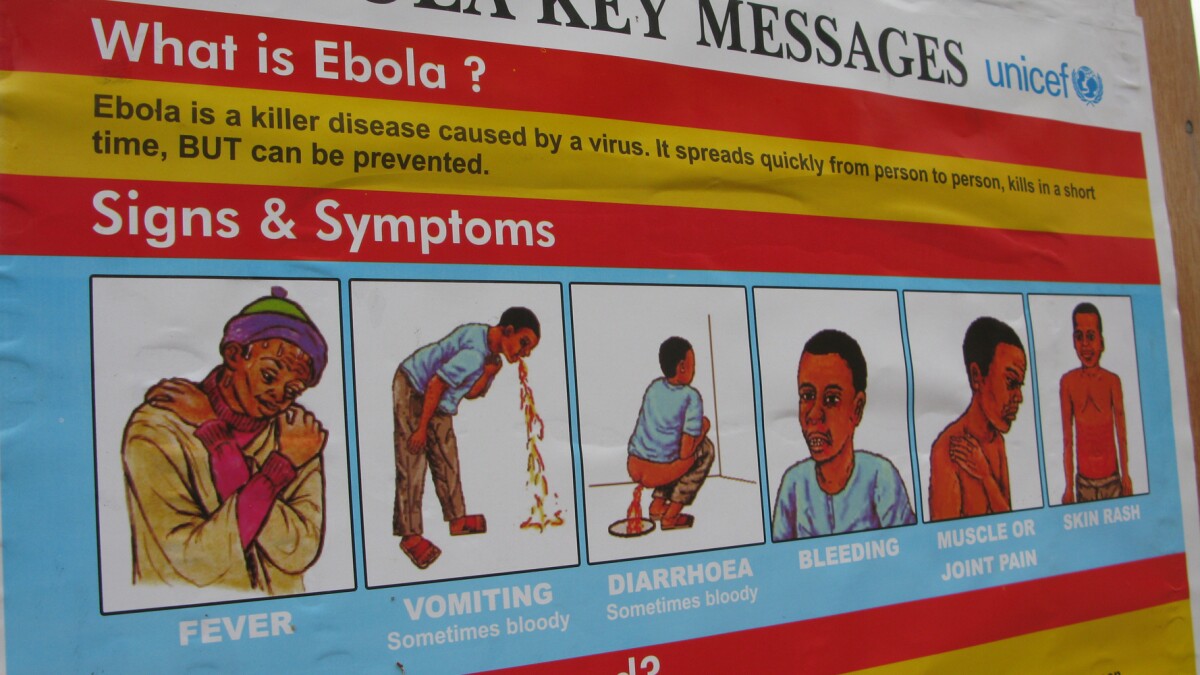
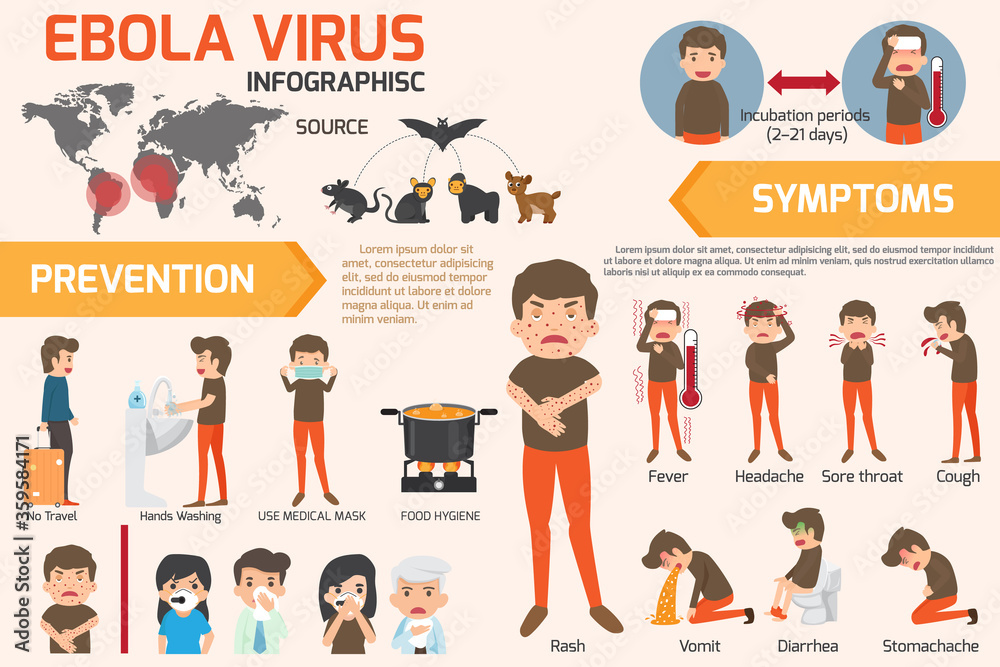
(Images above show Ebola virus disease — typical signs including fever, vomiting, diarrhea, rash, bleeding, and severe weakness.)
Causes
Ebola is caused by infection with orthoebolaviruses, primarily through:
- Contact with blood, body fluids, or tissues of infected humans or animals (fruit bats, primates)
- Contaminated needles, medical equipment, or burial practices
- No airborne spread like flu, but possible in late stages with heavy coughing
Symptoms
Symptoms usually appear 2–21 days after exposure and include:
- Sudden high fever, severe headache, muscle and joint pain, sore throat, fatigue
- Followed by vomiting, diarrhea (sometimes bloody), abdominal pain, and rash
- In severe cases: unexplained bleeding (gums, nose, eyes, or internal), impaired kidney/liver function, confusion, and shock
Homeopathy Medicines with Key Symptoms and Doses
Homeopathic remedies for Ebola are highly individualized and focus on symptom similarity for supportive care only. They are not a substitute for urgent medical care. The following are sometimes considered in literature or practice for hemorrhagic fevers with similar symptoms. Remedy selection must be determined only by a qualified homeopath experienced in acute and infectious diseases after detailed case-taking, in close coordination with medical doctors. These are general guidelines only.
Crotalus Horridus For hemorrhagic tendency with dark, oozing blood, great prostration, and septic states. The person may have jaundice or bleeding from orifices. Typical use: 30C, 3-5 pellets sparingly (under expert guidance).
Lachesis Muta For left-sided symptoms, dark purplish discoloration, extreme sensitivity to touch, and bleeding with loquacity or suspicion. Worse after sleep. Typical use: 30C, 3-5 pellets sparingly.
Phosphorus For bright red bleeding, great weakness, fearfulness, and craving for cold drinks. Useful in hemorrhagic conditions with burning sensations. Typical use: 30C, 3-5 pellets 1-2 times daily (use cautiously under guidance).
Arsenicum Album For extreme prostration, anxiety, restlessness, burning pains, and thirst for small sips. Better from warmth. Typical use: 30C, 3-5 pellets 1-2 times daily (short term).
Secale Cornutum For cold, bluish extremities with burning pain (better from cold) and passive hemorrhages in collapsed states. Typical use: 30C, 3-5 pellets sparingly (under expert guidance).
Carbo Vegetabilis For collapse-like weakness, coldness, air hunger, and bleeding in exhausted states. Typical use: 30C, 3-5 pellets 1-2 times daily (short term).
China Officinalis For marked debility, fluid loss from vomiting/diarrhea, and bloating with weakness. Typical use: 30C, 3-5 pellets 1-2 times daily.
Belladonna For sudden high fever, throbbing headache, red face, and delirium in early inflammatory stage. Typical use: 30C, 3-5 pellets 1-2 times daily (short term).
Hyoscyamus Niger For restlessness, muttering, twitching, or suspicious states during fever or delirium. Typical use: 30C, 3-5 pellets 1-2 times daily (short term).
Sulphur Often used as an intercurrent remedy in septic or chronic states with burning and unhealthy tendency. Typical use: 30C or 200C, sparingly (once weekly under guidance).
Important guidance: Ebola has no specific antiviral cure in conventional medicine for all strains, but supportive care (hydration, symptom management, monoclonal antibodies like Inmazeb or Ebanga for certain strains) improves survival. Strict isolation and infection control are critical. Homeopathy may provide supportive symptom relief but must never replace emergency medical care, isolation, and monitoring in a specialized facility. Mortality is high without proper treatment. This information is for educational purposes only and not a substitute for professional medical or homeopathic advice. If Ebola is suspected (travel history to endemic areas + symptoms), seek immediate emergency medical help and notify public health authorities. Consult a qualified infectious disease specialist for diagnosis and treatment, and a registered homeopath only for individualized supportive remedy selection in non-acute phases. Prevention through avoiding contact and safe burial practices is key.