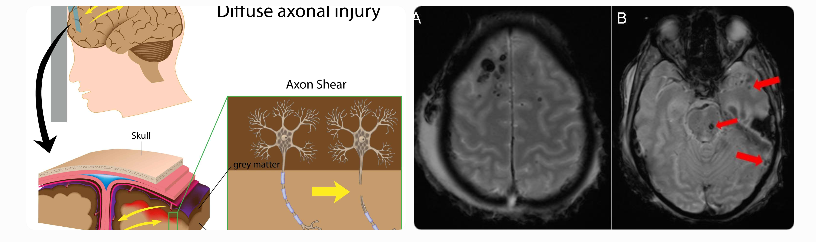
Diffuse Axonal Injury (DAI) is a severe type of traumatic brain injury (TBI) caused by sudden acceleration-deceleration or rotational forces to the head. It results in widespread shearing and stretching of axons (the long nerve fibers that transmit signals between brain cells) throughout the white matter of the brain. DAI often leads to coma or prolonged unconsciousness and can cause long-term neurological deficits. In homeopathy, remedies are used only as supportive care to help reduce brain swelling effects, support nervous system recovery, ease headaches, and improve cognitive or emotional symptoms after the acute phase. Diffuse axonal injury is a serious medical emergency requiring immediate hospital care, often in an ICU with neurosurgical monitoring.
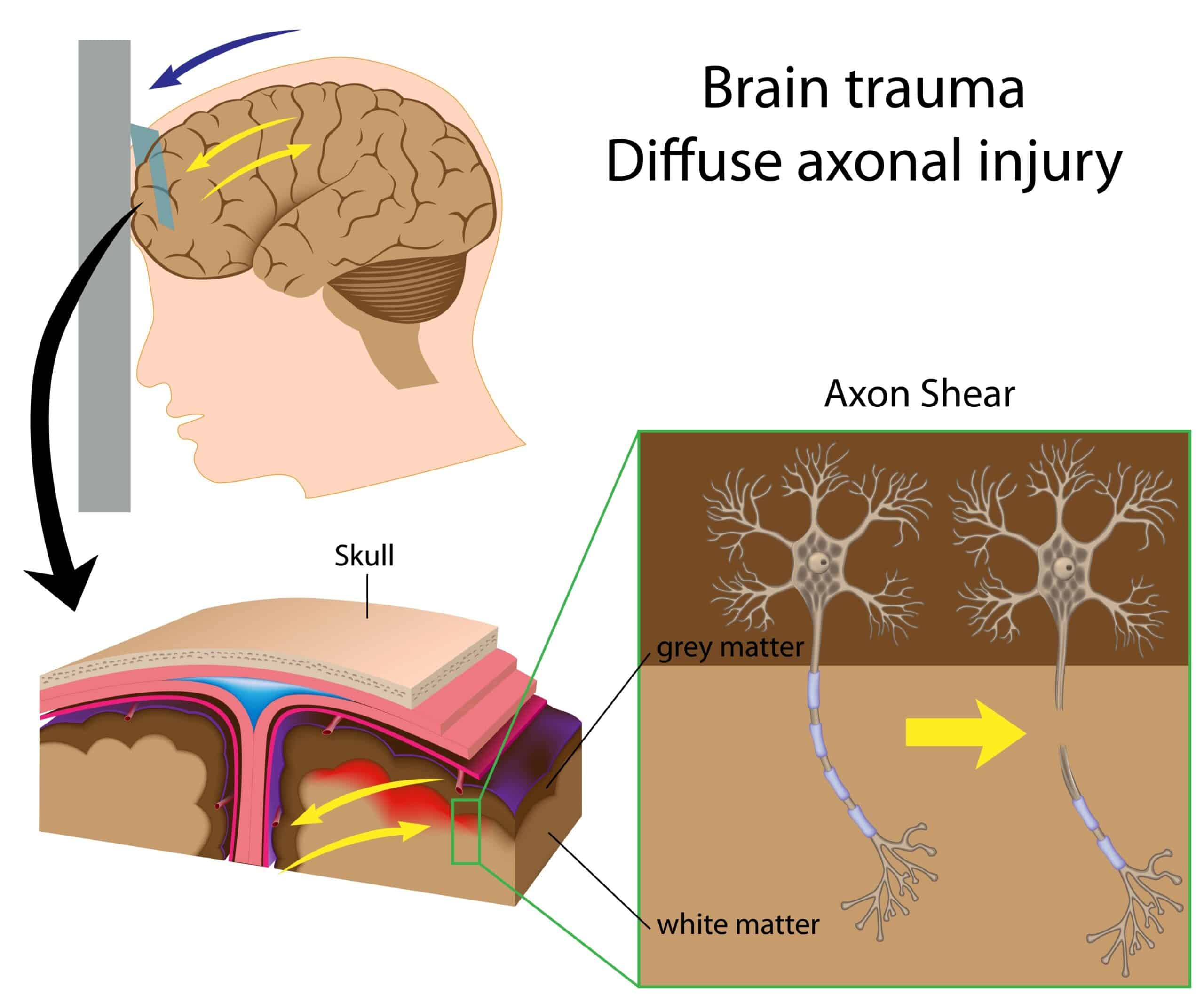
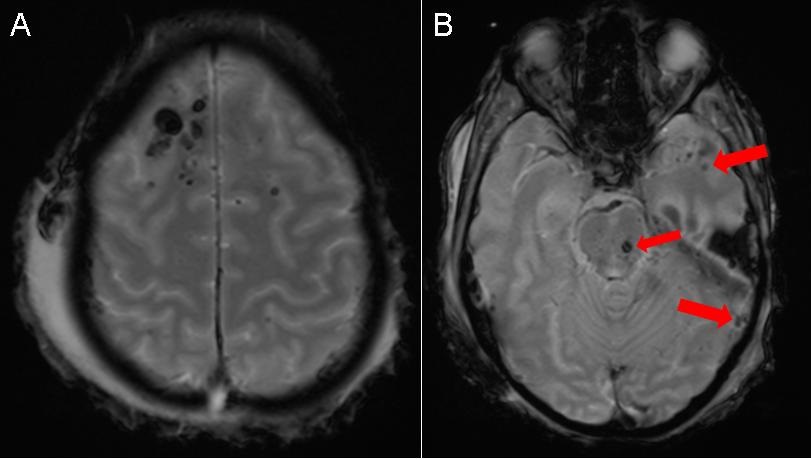
(Images above show diffuse axonal injury — shearing forces on axons in white matter, typical MRI findings with small hemorrhages, and the mechanism of rotational trauma causing widespread axonal damage.)
Causes
Diffuse axonal injury is primarily caused by:
- High-speed motor vehicle accidents
- Falls from height
- Sports injuries or assaults involving rapid head rotation or shaking
- Sudden acceleration-deceleration forces that cause the brain to move inside the skull
Symptoms
Symptoms vary with severity and often appear immediately after trauma:
- Loss of consciousness or coma (may last days to months)
- Persistent vegetative state or minimally conscious state in severe cases
- Cognitive impairment: memory loss, confusion, difficulty concentrating
- Motor deficits: weakness, spasticity, or paralysis
- Sensory changes, headaches, dizziness, or seizures
- Long-term issues: personality changes, depression, or cognitive decline
Homeopathy Medicines with Key Symptoms and Doses
Homeopathic remedies for diffuse axonal injury are highly individualized and focus on nervous system support, cognitive recovery, and residual symptoms. They are used only as supportive care after stabilization in a hospital setting. The following are sometimes considered. Remedy selection must be determined only by a qualified homeopath experienced in neurological trauma after detailed case-taking, in close coordination with a neurologist or neurosurgeon. These are general guidelines only.
Arnica Montana For the acute phase of head trauma with bruising, soreness, and shock. Helps reduce swelling and supports early recovery. Typical use: 30C, 3-5 pellets 1-2 times daily (short term).
Natrum Sulphuricum For head injury with persistent headaches, depression, or cognitive changes. Often indicated after concussion or trauma with emotional symptoms. Typical use: 30C, 3-5 pellets 1-2 times daily.
Hypericum Perforatum For nerve damage with shooting, tingling, or neuralgic pains following trauma. Supports recovery of damaged nerve fibers. Typical use: 30C, 3-5 pellets 1-2 times daily.
Belladonna For throbbing headaches, restlessness, or sudden inflammatory symptoms with heat and redness after injury. Typical use: 30C, 3-5 pellets 1-2 times daily (short term).
Opium For deep stupor, coma-like state, or heavy sleep with snoring respiration after severe head trauma. Typical use: 30C or 200C, single dose or very sparingly (under expert guidance).
Stramonium For violent restlessness, fear, or terrifying hallucinations/delirium following brain injury. Typical use: 30C, 3-5 pellets 1-2 times daily (short term).
Hyoscyamus Niger For muttering, twitching, or suspicious thoughts with restlessness after trauma. Typical use: 30C, 3-5 pellets 1-2 times daily (short term).
Calcarea Carbonica For constitutional support in fair, sweaty persons with slow recovery and weakness after head injury. Typical use: 30C or 200C, 3-5 pellets once or twice weekly.
Silicea For weakness, slow recovery, and sensitivity in chronic phases with tendency to suppuration or poor vitality. Typical use: 6X or 30C, 3-5 pellets 1-2 times daily.
Phosphorus For sensitive persons with headaches, dizziness, or bleeding tendency after trauma. Typical use: 30C, 3-5 pellets 1-2 times daily (use cautiously).
Important guidance: Diffuse axonal injury is diagnosed by MRI and managed with supportive ICU care, control of intracranial pressure, prevention of secondary brain injury, and long-term rehabilitation (physiotherapy, occupational therapy, cognitive therapy). Prognosis depends on the severity of axonal damage. Homeopathy may offer supportive benefits for residual symptoms, cognitive support, and overall recovery but must never replace neurosurgical or neurological management. This information is for educational purposes only and not a substitute for professional medical or homeopathic advice. Consult a qualified neurologist or neurosurgeon immediately for accurate diagnosis and treatment of any head injury, and a registered homeopath experienced in neurological trauma only for individualized supportive remedy selection. Early and comprehensive rehabilitation can significantly improve outcomes.