Exfoliative Dermatitis (also known as Erythroderma) is a serious, widespread inflammatory skin condition in which more than 90% of the body surface becomes intensely red (erythroderma), followed by extensive scaling and shedding of the skin in large sheets. It is not a specific disease but a reaction pattern that can be life-threatening due to loss of skin barrier function, leading to dehydration, infection, temperature imbalance, and protein loss. In homeopathy, remedies are used only as supportive care to help reduce inflammation, itching, scaling, and discomfort while supporting skin recovery and vitality. Exfoliative dermatitis requires urgent medical evaluation and hospital care in many cases.
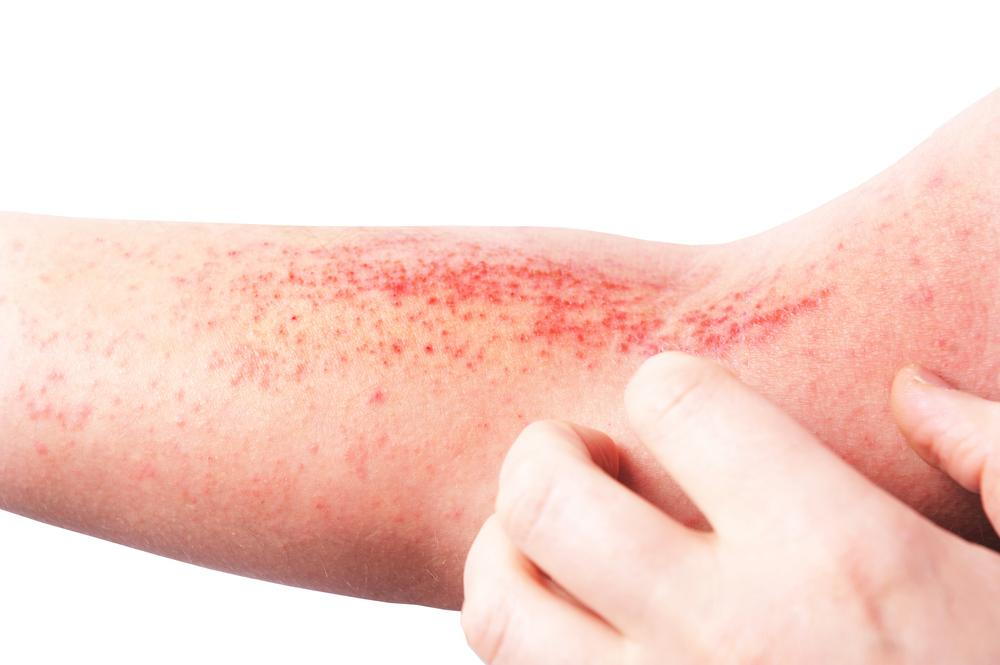
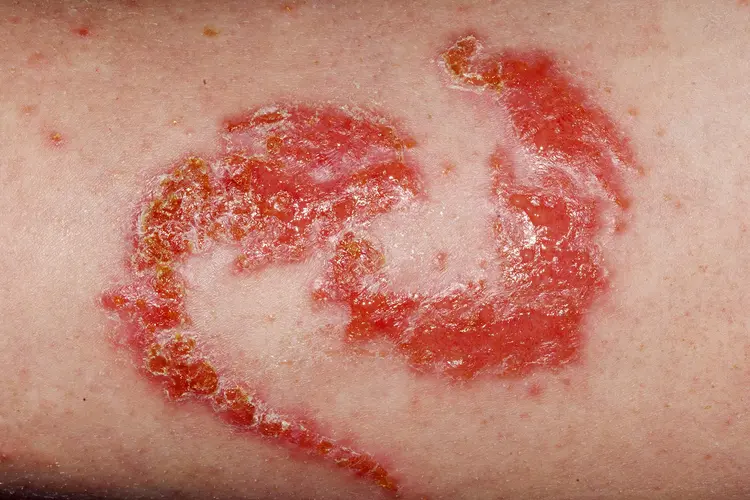
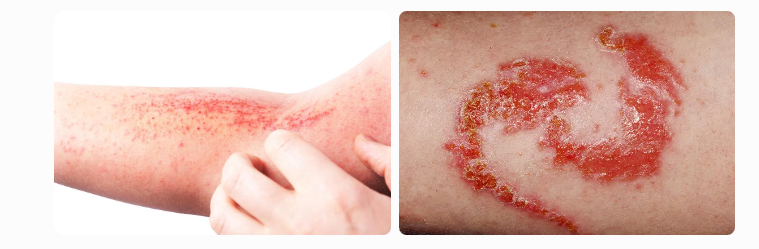
(Images above show exfoliative dermatitis/erythroderma — widespread bright red skin with extensive scaling, peeling, and crusting affecting large areas of the body.)
Causes
Exfoliative dermatitis can be triggered by:
- Pre-existing skin diseases (psoriasis, atopic dermatitis, contact dermatitis, pityriasis rubra pilaris)
- Drug reactions (antibiotics, anticonvulsants, allopurinol, NSAIDs, etc.)
- Underlying malignancies (especially cutaneous T-cell lymphoma)
- Idiopathic (unknown cause in many cases)
Symptoms
Common symptoms include:
- Diffuse bright red skin covering most of the body
- Extensive scaling or large sheets of peeling skin
- Intense itching or burning sensation
- Swollen lymph nodes, fever, chills, and malaise
- Fluid loss leading to dehydration, swelling (edema), and feeling cold or shivering
- In severe cases: hair loss, nail changes, and risk of secondary infection
Homeopathy Medicines with Key Symptoms and Doses
Homeopathic remedies for exfoliative dermatitis are selected according to the intensity of redness, scaling, itching, and the person’s overall constitution. They are used only as supportive care after identifying and treating the underlying cause. The following are sometimes considered. Remedy selection must be determined only by a qualified homeopath after detailed case-taking, in close coordination with a dermatologist or physician. These are general guidelines only.
Arsenicum Album For intense burning and itching with dry, scaly skin. The person is extremely anxious, restless, chilly, yet better from warmth, with thirst for small sips. Typical use: 30C, 3-5 pellets 1-2 times daily (short term).
Sulphur For dry, rough, intensely itchy and burning skin that feels unhealthy. Itching is worse from warmth or washing; often used as an intercurrent remedy. Typical use: 30C or 200C, sparingly (once weekly under guidance).
Graphites For thick, sticky, honey-like crusts or oozing with cracking and fissuring. Itching is prominent, especially in skin folds. Typical use: 30C, 3-5 pellets 1-2 times daily.
Petroleum For very dry, cracked, and rough skin with deep fissures, especially worse in winter. Typical use: 30C, 3-5 pellets 1-2 times daily.
Rhus Toxicodendron For red, swollen, blistering or oozing eruptions with intense itching and restlessness. Better from warm applications and continued motion. Typical use: 30C, 3-5 pellets 1-2 times daily.
Mezereum For thick crusts with violent itching and possible oozing; painful when scratched. Typical use: 30C, 3-5 pellets 1-2 times daily.
Natrum Muriaticum For dry, raw skin with clear fluid or crusting, often linked to emotional stress. Typical use: 30C, 3-5 pellets 1-2 times daily.
Hepar Sulphuris For very sensitive, pus-forming eruptions with stitching pain. Better from warmth. Typical use: 30C, 3-5 pellets 1-2 times daily (short term).
Calcarea Carbonica For fair, sweaty persons with constitutional sluggishness and moist or chronic scaly eruptions. Typical use: 30C or 200C, 3-5 pellets once or twice weekly.
Silicea For slow resolution with weakness and tendency to chronic skin issues. Typical use: 6X or 30C, 3-5 pellets 1-2 times daily.
Important guidance: Exfoliative dermatitis can lead to serious complications such as dehydration, electrolyte imbalance, hypothermia, heart failure, or secondary infection. Hospital treatment often includes supportive care (fluids, temperature control, emollients, and addressing the underlying cause). Homeopathy may help relieve itching, scaling, and discomfort as supportive care but must never replace urgent medical management. Avoid triggers, use bland emollients liberally, and maintain skin hygiene. This information is for educational purposes only and not a substitute for professional medical or homeopathic advice. Consult a qualified dermatologist or physician immediately for accurate diagnosis and treatment (especially if there is widespread redness, scaling, fever, or fluid loss), and a registered homeopath for individualized supportive remedy selection. With prompt and comprehensive care, many cases can be controlled effectively.