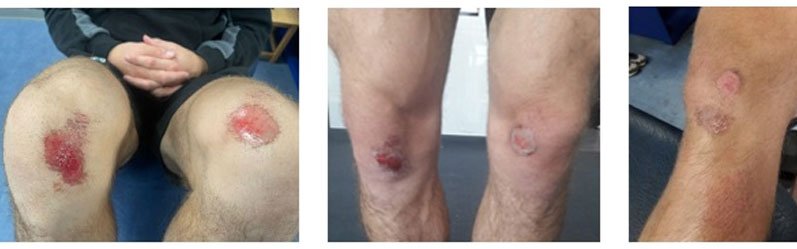
Delayed Healing (also known as slow or non-healing wounds) refers to a condition where a wound, ulcer, injury, or surgical site fails to heal within the expected time frame (usually beyond 4–6 weeks). Normal wound healing involves inflammation, tissue formation, and remodeling phases, but in delayed healing, this process stalls, leading to chronic wounds. In homeopathy, remedies are used only as supportive care to promote tissue repair, reduce infection risk, improve circulation, and support vitality. Delayed healing often indicates an underlying issue such as diabetes, poor nutrition, infection, or poor blood supply, and requires medical evaluation.
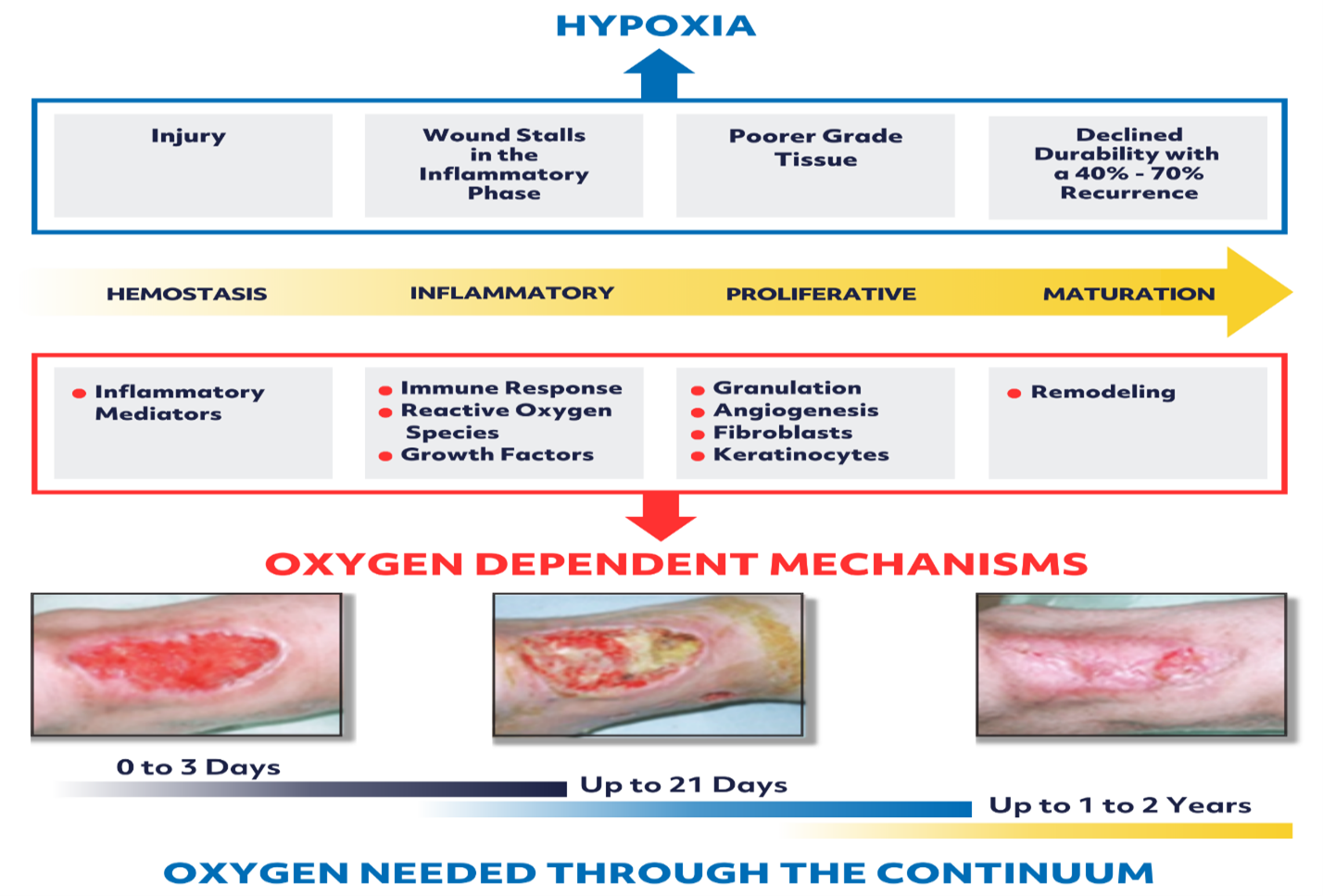
(Images above illustrate delayed wound healing — chronic non-healing ulcers, stalled inflammatory phase, poor granulation, and factors like hypoxia that slow the healing process.)
Causes
Delayed healing commonly occurs due to:
- Poor blood circulation (peripheral vascular disease, diabetes)
- Infection or persistent inflammation
- Nutritional deficiencies (protein, vitamin C, zinc)
- Underlying diseases like diabetes, anemia, or autoimmune conditions
- Medications (steroids, chemotherapy), smoking, or advanced age
- Repeated trauma or pressure on the wound site
Symptoms
Common signs of delayed healing include:
- Wound remains open, raw, or does not reduce in size for weeks/months
- Persistent redness, swelling, or discharge (pus or foul-smelling)
- Lack of healthy granulation tissue (new pink tissue)
- Pain, itching, or burning that does not improve
- Formation of slough, black dead tissue (eschar), or recurrent breakdown
- Systemic symptoms like fatigue or poor overall recovery
Homeopathy Medicines with Key Symptoms and Doses
Homeopathic remedies for delayed healing are selected based on the wound’s appearance, discharge, pain, and the person’s constitution. The following are commonly considered for supportive management. Remedy selection must be determined only by a qualified homeopath after detailed case-taking, in close coordination with a wound care specialist or surgeon. These are general guidelines only.
Silicea For slow-healing wounds with tendency to suppuration, foreign body sensation, or weakness. It helps promote expulsion of debris and tissue repair. Typical use: 6X or 30C, 3-5 pellets 1-2 times daily.
Calendula Officinalis Excellent for raw, open wounds with risk of infection. Supports clean granulation and healthy healing. Typical use: 30C, 3-5 pellets 1-2 times daily.
Arnica Montana For bruised, sore wounds with swelling and pain after trauma or surgery. Helps reduce inflammation in early stages. Typical use: 30C, 3-5 pellets 1-2 times daily (short term).
Hepar Sulphuris For very sensitive, pus-forming wounds with stitching pain. Better from warmth. Typical use: 30C, 3-5 pellets 1-2 times daily (short term).
Staphysagria For clean surgical wounds or incisions that are slow to heal with stinging or cutting pain. Typical use: 30C, 3-5 pellets 1-2 times daily.
Sulphur For chronic, unhealthy wounds with burning, itching, and tendency to recur. Often used as an intercurrent remedy. Typical use: 30C or 200C, sparingly (once weekly under guidance).
Lachesis Muta For bluish or dark wounds with extreme sensitivity to touch and septic tendency. Typical use: 30C, 3-5 pellets 1-2 times daily (short term).
Graphites For thick, sticky discharge with cracking and slow-healing skin, especially in obese or constipated persons. Typical use: 30C, 3-5 pellets 1-2 times daily.
Calcarea Sulphurica For suppurating wounds with thick yellow discharge that heal slowly. Typical use: 6X or 30C, 3-5 pellets 1-2 times daily.
Carbo Vegetabilis For sluggish healing with coldness, exhaustion, and poor vitality. Typical use: 30C, 3-5 pellets 1-2 times daily (short term).
Important guidance: Delayed healing requires addressing the root cause — controlling blood sugar in diabetes, improving nutrition, treating infection, off-loading pressure, or improving circulation. Conventional wound care (debridement, dressings, antibiotics if needed) is essential. Homeopathy may support faster tissue repair and reduce complications as supportive care but must never replace proper medical or surgical management. Keep the wound clean, moist, and protected. This information is for educational purposes only and not a substitute for professional medical or homeopathic advice. Consult a qualified wound care specialist, surgeon, or diabetologist immediately for accurate diagnosis and treatment, and a registered homeopath for individualized supportive remedy selection. With comprehensive care, most chronic wounds can heal successfully.