
Dorsalgia is the medical term for back pain that originates in the dorsal (thoracic) region of the spine, located between the neck and the lower back. It is a common complaint that can range from mild discomfort to severe, debilitating pain. It may be acute or chronic and often affects posture, breathing, and daily activities. In homeopathy, remedies are used only as supportive care to relieve pain, stiffness, and muscle spasm while supporting spinal health. Dorsalgia requires proper medical evaluation to rule out serious causes such as spinal disc issues, osteoporosis, or referred pain from internal organs.
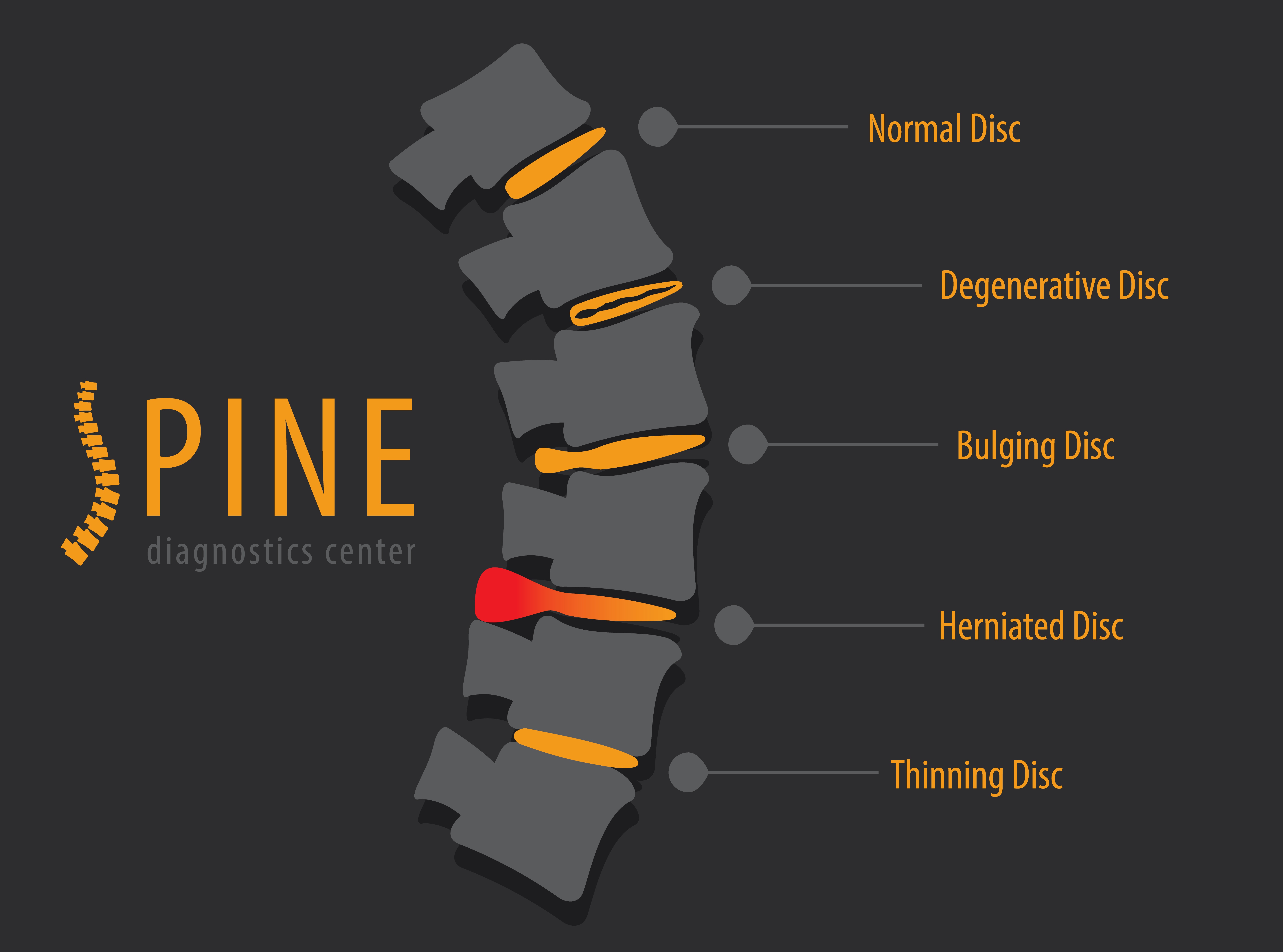
(Images above show the thoracic spine and common sites of dorsalgia — pain in the mid-back region with possible muscle spasm or disc involvement.)
Causes
Dorsalgia can result from:
- Poor posture, prolonged sitting, or desk work
- Muscle strain or ligament sprain from lifting or sudden movement
- Degenerative changes in the thoracic vertebrae or discs
- Trauma, injury, or overuse
- Referred pain from lungs, heart, gallbladder, or stomach disorders
- Osteoporosis, scoliosis, or ankylosing spondylitis in some cases
Symptoms
Common symptoms include:
- Dull, aching, or sharp pain in the mid-back (between the shoulder blades)
- Stiffness and reduced mobility of the thoracic spine
- Pain that worsens with movement, deep breathing, or prolonged sitting/standing
- Muscle spasm or tenderness on touch
- Radiating pain to the chest, ribs, or shoulders in some cases
- Fatigue or difficulty maintaining upright posture
Homeopathy Medicines with Key Symptoms and Doses
Homeopathic remedies for dorsalgia are selected based on the character of pain, modalities (what makes it better or worse), and the person’s constitution. The following are commonly considered for supportive management. Remedy selection must be determined only by a qualified homeopath after detailed case-taking, in coordination with an orthopedic doctor or physiotherapist. These are general guidelines only.
Rhus Toxicodendron For stiffness and pain that is worse after rest or on first movement and improves with continued gentle motion and warmth. The person feels restless. Typical use: 30C, 3-5 pellets 1-2 times daily.
Bryonia Alba For sharp, stitching pain that is worse from the slightest movement and better from absolute rest or pressure. Typical use: 30C, 3-5 pellets 1-2 times daily.
Ruta Graveolens For bruised, sore pain in the mid-back with stiffness, especially after strain or overuse. Pain worsens from cold. Typical use: 30C, 3-5 pellets 1-2 times daily.
Arnica Montana For sore, bruised feeling in the back after injury, strain, or trauma. Helps reduce inflammation. Typical use: 30C, 3-5 pellets 1-2 times daily (short term).
Hypericum Perforatum For sharp, shooting nerve pain radiating from the thoracic spine. Useful when there is tingling or hypersensitivity. Typical use: 30C, 3-5 pellets 1-2 times daily.
Calcarea Fluorica Supports connective tissue and spinal health in chronic dorsalgia with stiffness. Typical use: 6X or 30C, 3-5 pellets 1-2 times daily.
Silicea For weakness and slow recovery in chronic back pain with tendency to stiffness. Typical use: 6X or 30C, 3-5 pellets 1-2 times daily.
Kali Carbonicum For sharp, stitching pain in the back, especially between the shoulder blades, worse from cold or lying on the painful side. Typical use: 30C, 3-5 pellets 1-2 times daily.
Natrum Sulphuricum For pain and stiffness worsened by damp weather or after injury. Typical use: 30C, 3-5 pellets 1-2 times daily.
Sulphur Often used as an intercurrent remedy in chronic cases with burning sensations or when well-selected remedies do not hold. Typical use: 30C or 200C, sparingly (once weekly under guidance).
Important guidance: Dorsalgia should be evaluated by a doctor to rule out serious causes. Management usually includes posture correction, physiotherapy, gentle exercises, heat/cold application, and pain relief as needed. Homeopathy may help relieve pain and stiffness as supportive care but must never replace proper diagnosis and medical treatment. Maintain good posture, avoid heavy lifting, and stay physically active within limits. This information is for educational purposes only and not a substitute for professional medical or homeopathic advice. Consult a qualified orthopedic doctor or physiotherapist for accurate diagnosis and management, and a registered homeopath for individualized supportive remedy selection. With proper care, most cases of dorsalgia improve significantly.