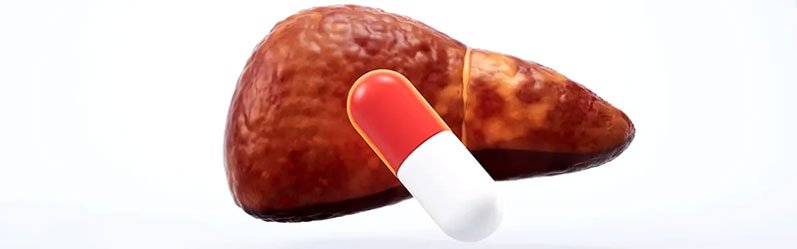
Drug-Induced Liver Injury (DILI) is liver damage caused by medications, herbs, supplements, or toxins. It is one of the most common causes of acute liver injury and can range from mild, reversible changes in liver enzymes to severe, life-threatening acute liver failure. DILI can occur with prescription drugs (e.g., paracetamol overdose, antibiotics, statins), over-the-counter medicines, or herbal products. In homeopathy, remedies are used only as supportive care after the offending drug is stopped and under strict medical supervision to help reduce inflammation, support liver function, and aid recovery. DILI is a medical emergency — prompt withdrawal of the causative agent and hospital care are essential.
(Images above show liver inflammation and damage typical of drug-induced liver injury — hepatocellular injury with elevated enzymes and possible jaundice.)
Causes
Drug-induced liver injury occurs when a substance is directly toxic to liver cells or triggers an immune reaction. Common causes include:
- Overdose or prolonged use of paracetamol (acetaminophen)
- Certain antibiotics, antifungals, anticonvulsants, or statins
- Herbal supplements and traditional medicines (sometimes contaminated)
- Alcohol combined with medications
- Idiosyncratic reactions (unpredictable individual sensitivity)
Symptoms
Symptoms can appear days to weeks after starting the drug:
- Fatigue, weakness, and loss of appetite
- Jaundice (yellowing of skin and eyes)
- Dark urine and pale stools
- Nausea, vomiting, or abdominal pain (especially right upper quadrant)
- Itching (pruritus) in cholestatic type
- In severe cases: confusion, swelling, bleeding tendency, or coma
Homeopathy Medicines with Key Symptoms and Doses
Homeopathic remedies for drug-induced liver injury are selected based on the pattern of liver damage, associated symptoms, and the person’s constitution. They may be used supportively after stopping the offending drug and under medical supervision. The following are sometimes considered. Remedy selection must be determined only by a qualified homeopath after detailed case-taking, in close coordination with a hepatologist or gastroenterologist. These are general guidelines only. Regular liver function tests (LFTs) are mandatory.
Carduus Marianus A leading remedy for liver disorders with pain in the right upper abdomen, nausea, and jaundice. Supports liver detoxification after toxic injury. Typical use: 30C or mother tincture (as advised), 3-5 pellets 1-2 times daily.
Chelidonium Majus For liver pain radiating to the back or shoulder, yellow tongue, and bitter taste. Useful in hepatocellular or cholestatic injury. Typical use: 30C, 3-5 pellets 1-2 times daily.
Nux Vomica For liver damage from overindulgence, drugs, or stress with irritability, nausea, and digestive upset. Symptoms worse in the morning. Typical use: 30C, 3-5 pellets 1-2 times daily (short term).
Arsenicum Album For burning pain, anxiety, restlessness, and extreme weakness with thirst for small sips. Better from warmth. Typical use: 30C, 3-5 pellets 1-2 times daily (short term).
Phosphorus For fatty liver changes, bleeding tendency, and weakness after toxic exposure. The person craves cold drinks. Typical use: 30C, 3-5 pellets 1-2 times daily (use cautiously, under guidance).
Lycopodium Clavatum For right-sided liver pain, bloating, and digestive weakness with high cholesterol or fatty liver tendency. Typical use: 30C or 200C, 3-5 pellets 1-2 times daily.
Natrum Sulphuricum For liver injury worsened by damp weather or with fluid retention and jaundice. Typical use: 30C, 3-5 pellets 1-2 times daily.
Silicea For slow recovery with tendency to suppuration or chronic weakness after toxic injury. Typical use: 6X or 30C, 3-5 pellets 1-2 times daily.
Sulphur Often used as an intercurrent remedy in chronic cases with burning sensations and unhealthy tendency. Typical use: 30C or 200C, sparingly (once weekly under guidance).
China Officinalis For marked weakness, debility, and bloating after fluid loss or prolonged effects of liver injury. Typical use: 30C, 3-5 pellets 1-2 times daily.
Important guidance: Drug-induced liver injury can be fatal. Immediately stop the suspected drug and seek emergency medical care if you have jaundice, severe fatigue, abdominal pain, or dark urine. Treatment involves supportive care, N-acetylcysteine (for paracetamol), or other specific therapies. Liver transplant may be needed in severe cases. Homeopathy may offer supportive benefits for liver recovery but must never replace conventional medical management or hospital monitoring. Avoid alcohol and hepatotoxic substances. This information is for educational purposes only and not a substitute for professional medical or homeopathic advice. Consult a qualified hepatologist or gastroenterologist immediately for accurate diagnosis and treatment, and a registered homeopath only for individualized supportive remedy selection after the acute phase is stabilized. Early recognition and withdrawal of the offending agent are critical for good outcomes.