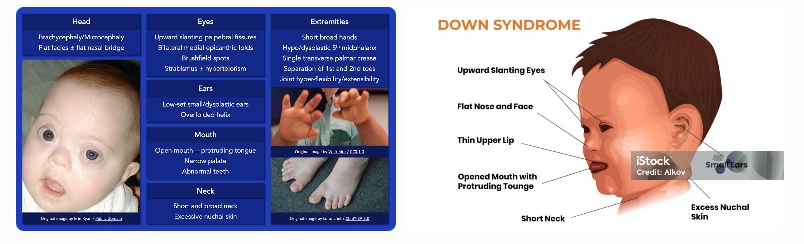
Delayed Growth (also called Growth Retardation or Failure to Thrive) is a condition in which a child grows and develops more slowly than expected for their age and gender. It is usually identified when a child’s height, weight, or both fall significantly below the average growth curve on standard charts. In homeopathy, remedies are used only as supportive care to improve assimilation of nutrients, boost vitality, and support constitutional strength in growing children. Delayed growth requires thorough medical investigation to identify and treat the underlying cause (nutritional, hormonal, genetic, or chronic illness).


(Images above show characteristic features of delayed growth and short stature in children — noticeably smaller size compared to age, delayed milestones, and physical signs of poor growth.)
Causes
Delayed growth can result from many factors:
- Nutritional deficiencies (inadequate calories, protein, vitamins, or minerals)
- Hormonal problems (growth hormone deficiency, hypothyroidism, or adrenal issues)
- Chronic illnesses (celiac disease, kidney disease, heart problems, or recurrent infections)
- Genetic or constitutional factors (familial short stature)
- Emotional or environmental factors (neglect, stress, or poor absorption)
Symptoms
Common signs include:
- Height and/or weight well below average for age
- Delayed developmental milestones (sitting, walking, talking)
- Thin appearance, poor muscle tone, or pale skin
- Delayed tooth eruption or slow bone development
- Reduced appetite or picky eating
- Frequent tiredness or low energy
Homeopathy Medicines with Key Symptoms and Doses
Homeopathic remedies for delayed growth are highly constitutional and aim to improve nutrient absorption, vitality, and overall development. The following are commonly considered for supportive management in children. Remedy selection must be determined only by a qualified homeopath experienced in pediatric growth disorders after detailed case-taking, in coordination with a pediatrician or endocrinologist. These are general guidelines only. Regular growth monitoring and medical evaluation are essential.
Baryta Carbonica Indicated for children with delayed physical and mental development, slow learning, and short stature. The child appears timid with enlarged glands. Typical use: 30C or 200C, 3-5 pellets once or twice weekly (sparingly).
Calcarea Carbonica Suited to fair, chubby, sweaty children who grow slowly, have large head, and delayed milestones. Supports constitutional weakness and poor assimilation. Typical use: 30C or 200C, 3-5 pellets once or twice weekly.
Silicea Helpful for delicate, chilly children with poor nutrient absorption, recurrent infections, and slow growth. Promotes vitality and tissue strength. Typical use: 6X or 30C, 3-5 pellets 1-2 times daily (monitor closely).
Calcarea Phosphorica Useful for slow bone and teeth development with growing pains and weakness. Supports calcium-phosphorus balance in growing children. Typical use: 6X or 30C, 3-5 pellets 1-2 times daily.
Natrum Muriaticum For emotionally reserved or withdrawn children with growth issues linked to grief or emotional factors. Typical use: 30C, 3-5 pellets 1-2 times daily.
Lycopodium Clavatum For children with digestive weakness, bloating, and lack of confidence. Supports growth in those with anticipatory anxiety. Typical use: 30C or 200C, 3-5 pellets 1-2 times daily.
Phosphorus For tall, thin, open children with weak vitality and easy fatigue affecting growth. Typical use: 30C, 3-5 pellets 1-2 times daily (use cautiously).
Agaricus Muscarius For clumsy, twitching children with poor coordination and delayed milestones involving neurological symptoms. Typical use: 30C, 3-5 pellets 1-2 times daily.
Thuja Occidentalis Indicated when there is a history of vaccinations or tendency to abnormal tissue growth along with slow development. Typical use: 30C, 3-5 pellets 1-2 times daily (short courses).
Medorrhinum A nosode sometimes used in developmental delays with family history of chronic conditions when well-selected remedies do not hold. Typical use: 200C, single dose or very sparingly (under strict guidance).
Important guidance: Delayed growth needs complete medical evaluation including growth charts, blood tests, hormone levels, and sometimes genetic studies by a pediatrician or pediatric endocrinologist. Early intervention with nutrition, treatment of underlying illness, or growth hormone therapy (when indicated) can make a big difference. Homeopathy may support constitutional growth and vitality in some children but cannot alter genetic short stature or replace medical care. Focus on balanced diet, adequate sleep, physical activity, and emotional support. This information is for educational purposes only and not a substitute for professional medical or homeopathic advice. Consult a qualified pediatric specialist for accurate diagnosis and management, and a registered homeopath experienced in pediatric growth disorders for individualized supportive remedy selection. With proper care, many children with delayed growth can catch up significantly.