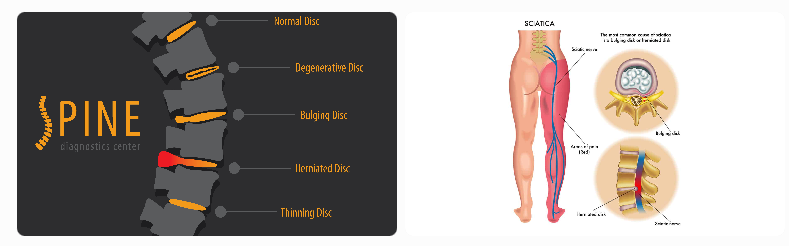
Discitis is an inflammation or infection of the intervertebral disc space, the cushion-like structure between the vertebrae of the spine. It is often serious and may involve the adjacent vertebral bones (spondylodiscitis). It can occur at any age but is more common in children and older adults. In homeopathy, remedies are used only as supportive care to help reduce pain, inflammation, and promote healing after proper medical diagnosis and treatment (usually antibiotics if bacterial). Discitis is a medical emergency that requires immediate conventional care, imaging (MRI), and specialist supervision to prevent complications like spinal instability or abscess formation.
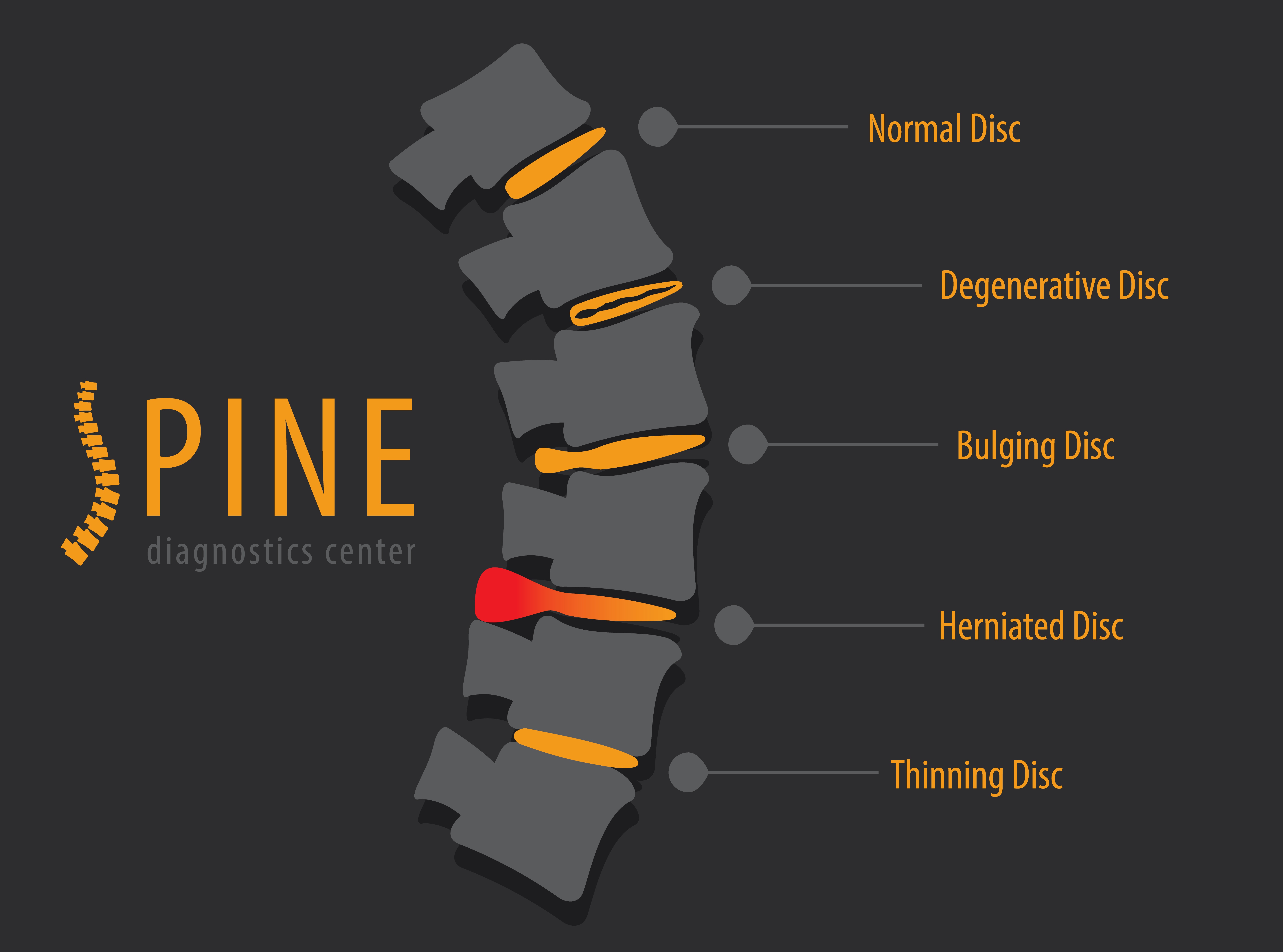
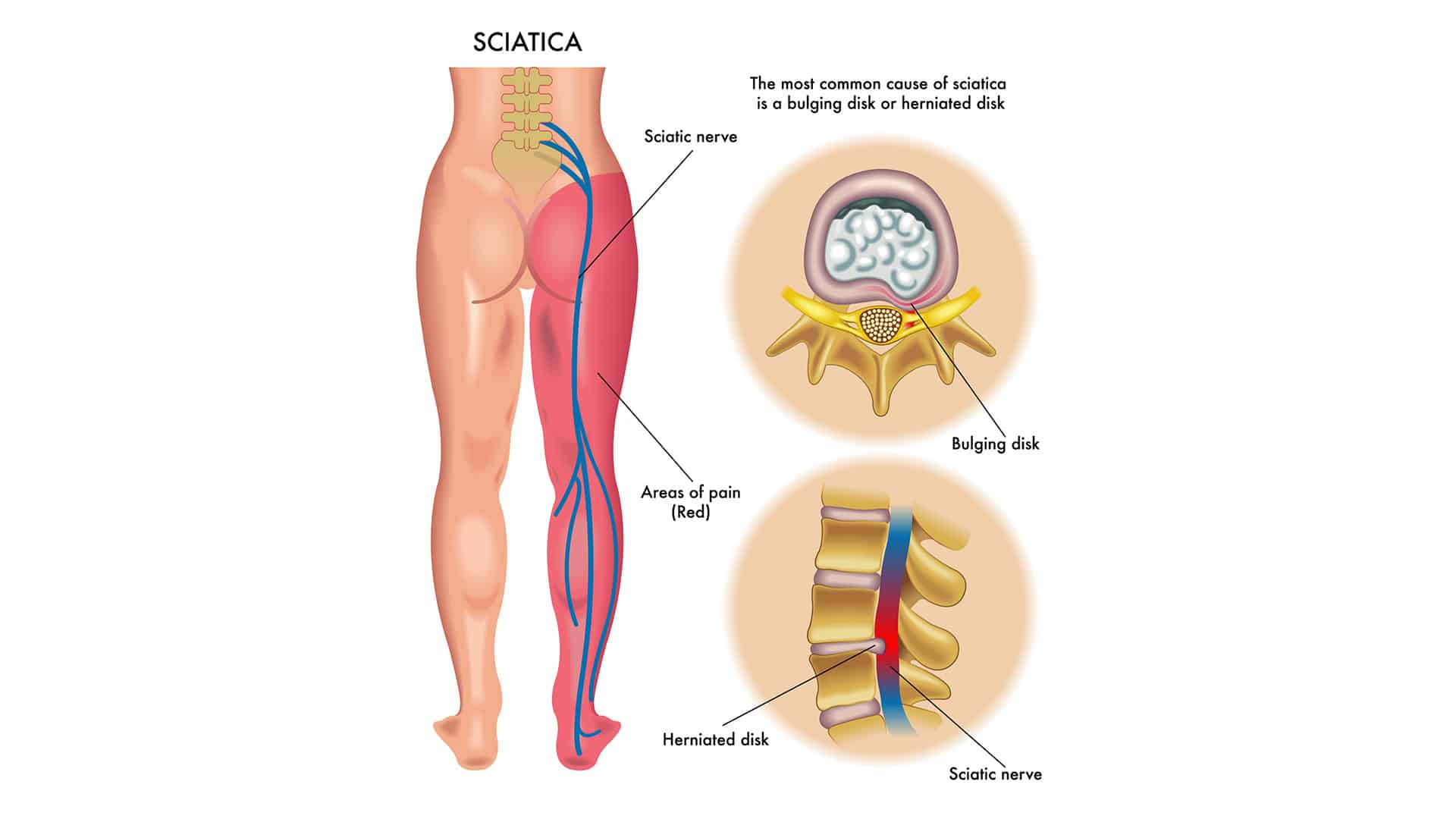
(Images above show discitis — inflammation and infection in the intervertebral disc space with swelling, possible abscess, and involvement of adjacent vertebrae on MRI.)
Causes
Discitis is mainly caused by:
- Bacterial infection (most common – Staphylococcus aureus)
- Spread of infection from blood (hematogenous) or from nearby structures
- Post-surgical or post-procedure complications
- In children, it can occur after minor respiratory or urinary infections
- Rarely, tuberculosis (Pott’s disease) or fungal infection
Symptoms
Common symptoms include:
- Severe back pain that worsens with movement and does not improve with rest
- Tenderness over the affected area of the spine
- Stiffness and restricted spinal movement
- Fever, chills, fatigue, and loss of appetite
- In children: refusal to walk, sit, or bend; irritability
- In advanced cases: leg weakness, numbness, or difficulty controlling bladder/bowel
Homeopathy Medicines with Key Symptoms and Doses
Homeopathic remedies are selected based on the individual symptom picture, pain character, and constitution. They may be used supportively after medical stabilization. The following are commonly considered. Remedy selection must be determined only by a qualified homeopath after detailed case-taking, in close coordination with an orthopedic surgeon or infectious disease specialist. These are general guidelines only.
Belladonna For acute, sudden onset with intense throbbing pain, redness, heat, and high fever. The area is extremely sensitive to touch or jarring. Typical use: 30C, 3-5 pellets 1-2 times daily (short term).
Silicea Useful in chronic or slow-healing cases with tendency to suppuration or abscess formation. Supports expulsion of foreign material and tissue repair. Typical use: 6X or 30C, 3-5 pellets 1-2 times daily.
Hepar Sulphuris Indicated when there is extreme sensitivity to touch, splinter-like pain, and pus formation. The slightest draft aggravates symptoms. Typical use: 30C, 3-5 pellets 1-2 times daily (short term).
Bryonia Alba For pain that is worse from the slightest movement and better from absolute rest and pressure. The person wants to lie still. Typical use: 30C, 3-5 pellets 1-2 times daily.
Arnica Montana For bruised, sore feeling in the back with general soreness after trauma or strain. Helps reduce inflammation and pain. Typical use: 30C, 3-5 pellets 1-2 times daily (short term).
Rhus Toxicodendron For stiffness and pain that improves with continued gentle movement and warmth. The person feels restless. Typical use: 30C, 3-5 pellets 1-2 times daily.
Mercurius Solubilis For offensive discharge or swollen glands if infection is prominent. Pain and symptoms worse at night. Typical use: 30C, 3-5 pellets 1-2 times daily (short term).
Calcarea Sulphurica Supports healing of suppurating processes with thick yellow discharge in stubborn cases. Typical use: 6X or 30C, 3-5 pellets 1-2 times daily.
Sulphur Often used as an intercurrent remedy in chronic cases with burning sensations and unhealthy tendency. Typical use: 30C or 200C, sparingly (once weekly under guidance).
Hypericum Perforatum For sharp, shooting nerve pain radiating along the spine or into the limbs with tingling or numbness. Typical use: 30C, 3-5 pellets 1-2 times daily.
Important guidance: Discitis requires urgent medical attention — blood tests, MRI, and often intravenous antibiotics or surgical drainage if abscess forms. Bed rest, bracing, and pain management are part of conventional treatment. Homeopathy may help relieve pain and support recovery as supportive care but must never replace proper diagnosis and medical treatment. Avoid any spinal manipulation without specialist approval. This information is for educational purposes only and not a substitute for professional medical or homeopathic advice. Consult a qualified orthopedic surgeon or infectious disease specialist immediately for accurate diagnosis and management, and a registered homeopath for individualized supportive remedy selection. Early and complete treatment prevents long-term spinal damage and neurological complications.