Dwarfism (also called short stature) refers to a condition in which a person has unusually short height compared to average for their age and gender. Adult height is generally considered below 4 feet 10 inches (147 cm). It is not a single disease but a symptom of various underlying genetic or medical conditions. The most common type is achondroplasia, a form of disproportionate dwarfism where the arms and legs are short while the torso is average size. Many people with dwarfism live full, active lives with proper support. In homeopathy, remedies are used only as supportive care to promote overall growth potential, vitality, and constitutional strength in growing children. Homeopathy cannot change genetic dwarfism and must be combined with regular pediatric monitoring, nutrition, and early intervention therapies when needed.


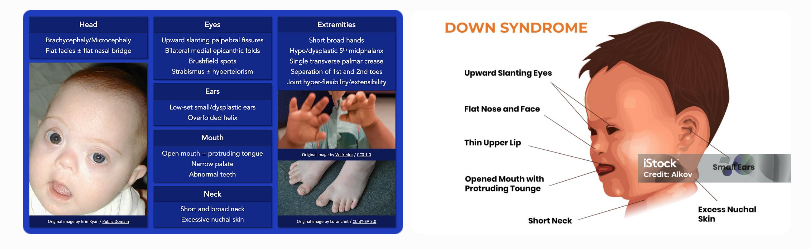
(Images above show characteristic features of dwarfism, particularly achondroplasia — short limbs, normal trunk, enlarged head, prominent forehead, flat nasal bridge, and short stature.)
Causes
Dwarfism has many causes, broadly divided into:
- Disproportionate dwarfism (most common): Genetic conditions like achondroplasia that affect bone growth (cartilage development).
- Proportionate dwarfism: Overall slow growth due to hormonal issues (growth hormone deficiency, hypothyroidism), nutritional deficiencies, chronic illnesses, or genetic syndromes.
- Random gene mutations or inherited traits; not caused by parental actions during pregnancy.
Symptoms
Symptoms vary by type but commonly include:
- Significantly short height for age
- Short arms and legs with normal or larger head and trunk (in achondroplasia)
- Delayed growth milestones
- Bowed legs, spinal curvature, or joint problems
- In some cases: breathing difficulties, ear infections, or dental issues
- Normal intelligence in most forms
Homeopathy Medicines with Key Symptoms and Doses
Homeopathic remedies for dwarfism (short stature) are highly constitutional and aim to support natural growth processes, improve assimilation, and enhance vitality in children. The following are commonly considered. Remedy selection must be determined only by a qualified homeopath experienced in pediatric growth disorders after detailed case-taking, in coordination with a pediatric endocrinologist. These are general guidelines only. Growth hormone therapy or other medical interventions may be required in specific cases.
Baryta Carbonica Indicated for children with delayed physical and mental development, slow learning, and short stature. The child appears timid, has enlarged glands, and shows delayed milestones. Typical use: 30C or 200C, 3-5 pellets once or twice weekly (sparingly).
Calcarea Carbonica Suited to fair, chubby, sweaty children with slow bone growth, large head, and delayed milestones. Supports constitutional weakness and poor assimilation. Typical use: 30C or 200C, 3-5 pellets once or twice weekly.
Silicea Helpful for delicate, chilly children with poor nutrient assimilation, recurrent infections, and slow growth. Promotes vitality and tissue strength. Typical use: 6X or 30C, 3-5 pellets 1-2 times daily (monitor closely).
Calcarea Phosphorica Useful for slow bone and teeth development with growing pains and weakness. Supports calcium-phosphorus balance in growing children. Typical use: 6X or 30C, 3-5 pellets 1-2 times daily.
Natrum Muriaticum For emotionally reserved children with dryness, salt craving, and growth issues linked to emotional factors or grief. Typical use: 30C, 3-5 pellets 1-2 times daily.
Lycopodium Clavatum For children with digestive weakness, bloating, lack of confidence, and right-sided complaints. Supports growth in those with anticipatory anxiety. Typical use: 30C or 200C, 3-5 pellets 1-2 times daily.
Phosphorus For tall, thin, open children with weak vitality, easy bleeding tendency, or respiratory issues affecting growth. Typical use: 30C, 3-5 pellets 1-2 times daily (use cautiously).
Thuja Occidentalis Indicated when there is a history of vaccinations or tendency to abnormal tissue growths along with slow development. Typical use: 30C, 3-5 pellets 1-2 times daily (short courses).
Medorrhinum A nosode sometimes used in developmental delays with family history of chronic conditions when well-selected remedies do not hold. Typical use: 200C, single dose or very sparingly (under strict guidance).
Agaricus Muscarius For clumsy, twitching children with poor coordination and delayed milestones involving neurological symptoms. Typical use: 30C, 3-5 pellets 1-2 times daily.
Important guidance: Dwarfism requires thorough medical evaluation (growth charts, hormone tests, genetic studies, X-rays) by a pediatric endocrinologist. Early intervention with growth hormone (in deficiency cases), physical therapy, and orthopedic support can help. Homeopathy may support constitutional growth and vitality in some children but cannot alter genetic forms like achondroplasia. Focus on nutrition, exercise, emotional support, and avoiding overprotection. This information is for educational purposes only and not a substitute for professional medical or homeopathic advice. Consult a qualified pediatric specialist for accurate diagnosis and management, and a registered homeopath experienced in pediatric growth disorders for individualized remedy selection. With proper care, children with dwarfism can lead healthy, fulfilling lives.