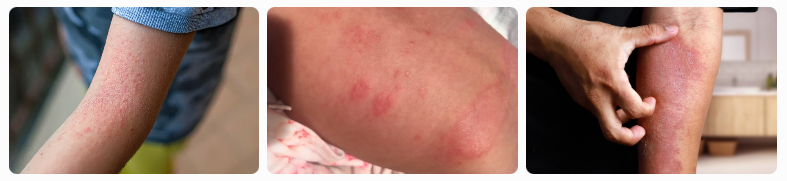
Dermatitis is a common skin condition that causes inflammation, redness, itching, and irritation of the skin. It includes several types such as atopic dermatitis (eczema), contact dermatitis, and seborrheic dermatitis. It is not contagious but can be uncomfortable and recurring. In homeopathy, remedies are chosen according to the individual’s specific symptoms, location of the rash, type of discharge, aggravating factors, and overall constitution. Homeopathy aims to reduce itching, inflammation, and recurrence gently. It works best as complementary support along with avoiding triggers and good skin care.
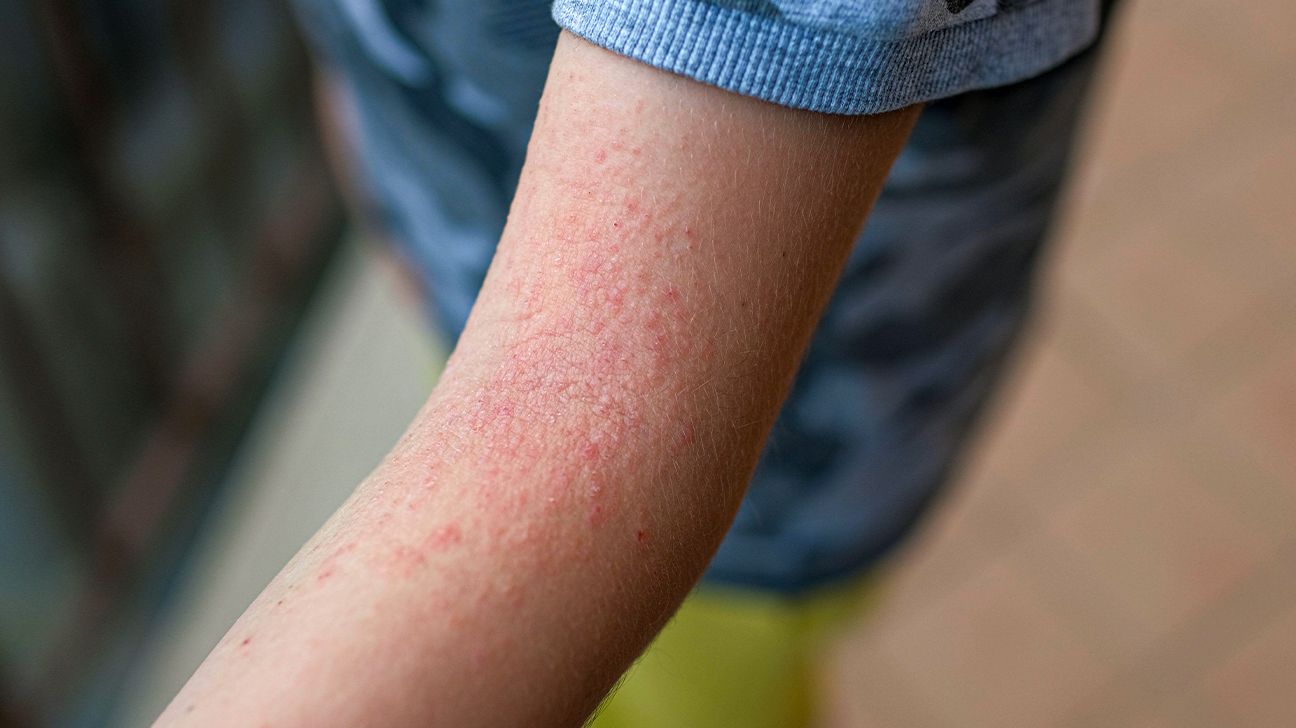

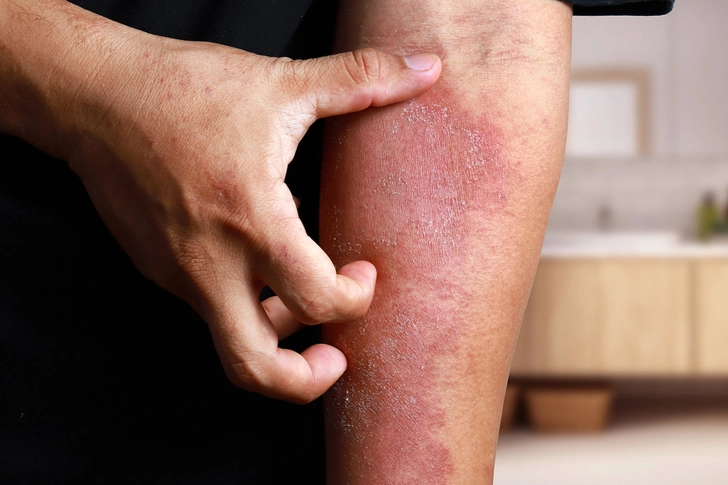
(Images above show typical signs of dermatitis — red, inflamed, itchy patches on the skin, sometimes with scaling or dryness.)
Causes
Dermatitis can be triggered by:
- Allergic reactions or irritants (soaps, detergents, cosmetics, metals like nickel)
- Genetic tendency (especially in atopic dermatitis/eczema)
- Dry skin, cold weather, or environmental factors
- Stress and emotional factors
- Food sensitivities or infections
- Contact with chemicals, plants, or fabrics
Symptoms
Common symptoms include:
- Red, inflamed patches on the skin
- Intense itching that may worsen at night
- Dry, scaly, or cracked skin
- Small fluid-filled blisters or oozing in acute cases
- Thickened, leathery skin in chronic cases
- Burning or stinging sensation
- Rash commonly appears on hands, arms, face, neck, or behind knees
Homeopathy Medicines with Key Symptoms and Doses
Homeopathic remedies are selected based on the exact symptom picture of the person. The following are commonly considered for different types of dermatitis. Remedy selection and potency must be determined by a qualified homeopath after full case-taking. These are general guidelines only. Stop when improvement begins and reassess.
Graphites Indicated for dry, rough, cracked skin with sticky, honey-like discharge. Eruptions ooze and form crusts; suited to constipated persons with dry skin. Typical use: 30C, 3-5 pellets 1-2 times daily.
Sulphur One of the top remedies for itchy, burning skin worse from warmth or at night. Skin looks unhealthy, red, and dry; patient feels warm-blooded. Often used as an intercurrent remedy. Typical use: 30C or 200C, sparingly (once weekly under guidance).
Rhus Toxicodendron Useful when there are small blisters with intense itching and burning. Skin is red and swollen; symptoms better from hot applications and movement. Typical use: 30C, 3-5 pellets 1-2 times daily.
Mezereum For thick, hard crusts with white pus underneath and intense itching. Eruptions are painful; better from cold air. Typical use: 30C, 3-5 pellets 1-2 times daily.
Petroleum Indicated for dry, cracked, rough skin especially on hands and fingertips. Skin feels raw and bleeds easily; worse in winter. Typical use: 30C, 3-5 pellets 1-2 times daily.
Natrum Muriaticum For dry, flaky skin with cracks, especially around the mouth or in flexures. Patient craves salt and has a history of suppressed grief. Typical use: 30C, 3-5 pellets 1-2 times daily.
Arsenicum Album For burning, itching skin with restlessness and anxiety. Eruptions are dry and scaly; patient feels chilly but symptoms are better from warmth. Typical use: 30C, 3-5 pellets 1-2 times daily.
Apis Mellifica Helpful when the skin is bright red, swollen, and puffy with stinging pain. Itching is relieved by cold applications. Typical use: 30C, 3-5 pellets 1-2 times daily.
Calendula Officinalis Useful for raw, inflamed skin with oozing or after scratching. Promotes healing of cracked or ulcerated skin. Typical use: 30C, 3-5 pellets 1-2 times daily (or as ointment externally if advised).
Skookumchuck Indicated for chronic dermatitis with thick, scaly eruptions and itching. Often helpful in stubborn cases. Typical use: 30C, 3-5 pellets 1-2 times daily.
Important guidance: Avoid known triggers, keep skin moisturized, and use mild, fragrance-free soaps. Do not scratch the affected area to prevent infection. Homeopathy works best when the remedy matches the individual totality of symptoms. This information is for educational purposes only and not a substitute for professional medical or homeopathic advice. Consult a qualified dermatologist for persistent or severe dermatitis and a registered homeopath for individualized remedy selection. In acute or infected cases, conventional care may be necessary. Early management helps prevent chronicity.