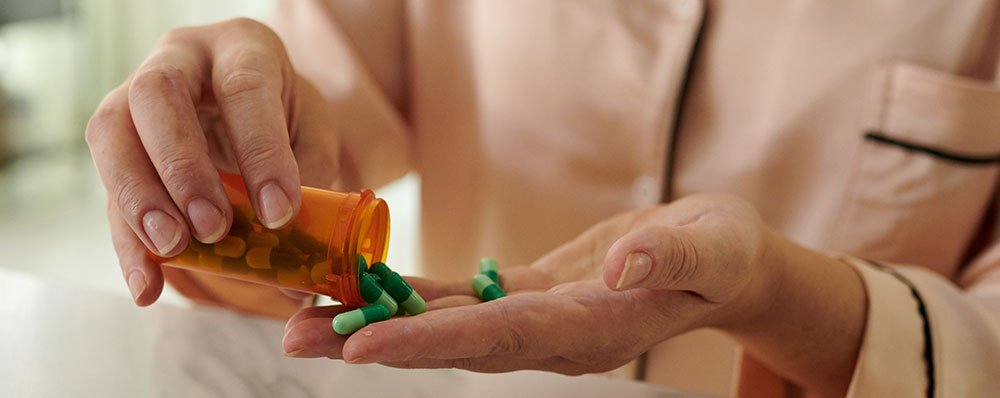
Bowel Incontinence (also called fecal incontinence or anal incontinence) is the involuntary loss of stool or inability to control bowel movements. It ranges from occasional leakage of small amounts of stool or mucus to complete loss of bowel control. It is a distressing condition that significantly affects quality of life, self-esteem, and social functioning. It is not a normal part of aging, though it becomes more common with age due to multiple contributing factors.
Common Causes
- Childbirth trauma (vaginal delivery with forceps/episiotomy/tears, pudendal nerve injury)
- Chronic constipation / long-term straining → pelvic floor weakness
- Chronic diarrhea (irritable bowel syndrome, inflammatory bowel disease)
- Neurological conditions (stroke, multiple sclerosis, Parkinson’s, spinal cord injury, diabetic neuropathy)
- Anal sphincter damage (hemorrhoid surgery, anal fissure/fistula surgery, trauma)
- Rectal prolapse or rectocele
- Aging-related muscle weakness and reduced rectal sensation
- Medications (laxatives, opioids, antidepressants)
Common Symptoms
- Inability to hold stool until reaching a toilet
- Passive soiling / leakage of small amounts of stool or mucus (especially after bowel movement)
- Urge incontinence — sudden, intense need to defecate with little warning
- Fecal staining on underwear
- Loss of control of flatus (wind)
- Feeling of incomplete evacuation or constant wetness
- Skin irritation, itching, or breakdown around anus due to frequent soiling
- Social embarrassment, anxiety, depression, social withdrawal
Important disclaimer Fecal incontinence is a serious medical condition that requires proper evaluation by a gastroenterologist, colorectal surgeon, or pelvic floor specialist. Homeopathy has no scientific evidence (no RCTs or high-quality studies) that it can strengthen the anal sphincter, improve rectal sensation, restore pelvic floor muscle function, or treat any structural/neurological cause of bowel incontinence. It is never a substitute for:
- Anorectal manometry
- Endoanal ultrasound / MRI pelvis
- Defecography
- Colonoscopy (to rule out IBD, cancer, etc.)
- Pelvic floor physiotherapy / biofeedback
- Medications (loperamide, codeine, bulking agents)
- Surgical options (sphincter repair, sacral neuromodulation, colostomy in end-stage cases)
Homeopathic Medicines for Bowel Incontinence (Supportive / Symptomatic Only)
Remedies are chosen based on the type of incontinence, stool character, associated symptoms, and modalities. These are classical indications — none cure or structurally repair sphincter weakness.
- Aloe socotrina One of the most frequently indicated remedies for involuntary stool passage with loss of sphincter control. Key indications: Stool passes involuntarily with flatus or without warning; rectum feels full of hot air; constant bearing-down sensation; jelly-like mucus; worse immediately after eating/drinking; suits “must hurry to toilet but stool escapes before arrival” and flatus incontinence. Typical potency and dose: 30C — 3–5 pellets 2–3 times daily during acute episodes of urgency/leakage (short-term 5–10 days); reduce frequency as control improves.
- Podophyllum For profuse, gushing diarrhea with involuntary passage. Key indications: Sudden, explosive, gushing stool with complete loss of control; painless; worse early morning; green/yellow, offensive stool; suits explosive incontinence with urgency and no warning. Typical potency and dose: 30C — 3–5 pellets every 2–4 hours during acute gushing episodes (short-term 2–5 days max); taper quickly.
- Causticum For gradual loss of sphincter tone and neurological weakness. Key indications: Involuntary urination and stool passage (especially when coughing/laughing); gradual paralysis-like weakness; burning/raw sensation; worse dry cold; suits neurological or aging-related sphincter weakness with burning. Typical potency and dose: 200C — single dose or once every 3–6 weeks (constitutional approach); acute leakage: 30C — 3–5 pellets 2–3 times daily short-term.
- Natrum muriaticum For involuntary stool during sleep or emotional stress. Key indications: Stool escapes during sleep or when laughing/coughing; dryness of mucous membranes; reserved personality; salt craving; suits incontinence with emotional suppression or dryness. Typical potency and dose: 200C or 1M — single dose or once every 4–8 weeks (constitutional).
- Opium For complete loss of sphincter control with constipation or drowsiness. Key indications: Stool and flatus pass involuntarily; no urge felt; profound drowsiness/stupor; suits neurological incontinence with absent sensation and constipation. Typical potency and dose: 200C — single dose only (very rarely repeated) — expert supervision required.
Other frequently considered remedies (supportive):
- Graphites — sticky mucus, fissured anus, constipation with incontinence
- Phosphoricum acidum — profound weakness after grief/illness with involuntary stool
- Argentum nitricum — anxious incontinence with hurried bowel movements
General notes on use:
- Acute leakage/urgency flare: lower potencies (30C), repeated 2–4 times daily for 5–10 days
- Chronic sphincter weakness: higher potencies (200C/1M) given very infrequently (every 3–8 weeks) constitutionally
- Perceived improvement in control or reduced leakage is subjective and extremely limited
- Must be combined with:
- Pelvic floor physiotherapy / biofeedback
- Bowel training (scheduled toileting, fiber adjustment)
- Anti-diarrheal agents (loperamide) if diarrhea predominant
- Anorectal physiology testing and surgical evaluation (sphincter repair, sacral neuromodulation, colostomy in end-stage cases)
Re-evaluate with gastroenterologist / colorectal surgeon if:
- Incontinence worsens or becomes daily
- Blood in stool, weight loss, or new pain occurs
- No improvement after 6–12 weeks of conventional therapy + homeopathy
- Recurrent fecal soiling or skin breakdown
The foundation of treatment for fecal incontinence is pelvic floor rehabilitation, medical management, and surgical correction when indicated — homeopathy has no proven role in strengthening the anal sphincter or restoring bowel control. Seek colorectal / gastroenterology evaluation for proper diagnosis and treatment plan.