Astigmatism is a common refractive error of the eye caused by an irregularly shaped cornea or lens (usually more curved in one meridian than another, like a football instead of a perfect sphere). This irregularity prevents light rays from focusing evenly on the retina, resulting in blurred or distorted vision at all distances. It can occur alone or in combination with myopia (nearsightedness) or hyperopia (farsightedness).
Astigmatism is not an inflammatory or degenerative disease — it is a structural variation present from birth or developing in childhood/early adulthood. It is not progressive in the same way cataracts or keratoconus are (though very high astigmatism can sometimes be associated with early keratoconus).
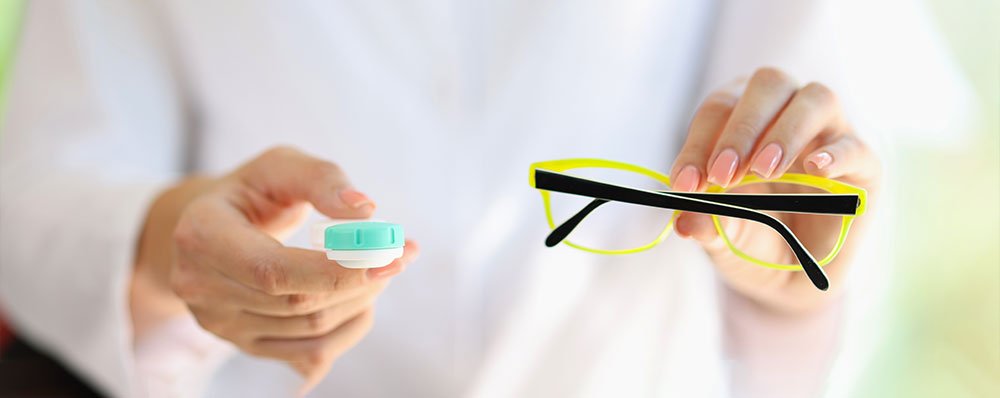
Standard treatment is corrective lenses (glasses or toric contact lenses) or refractive surgery (LASIK, PRK, SMILE, toric IOLs in cataract surgery) when stable and desired. Homeopathy has no scientific evidence from any credible clinical trial, systematic review, or ophthalmology guideline showing it can reduce corneal astigmatism, reshape the cornea/lens, improve visual acuity, or serve as an alternative to corrective lenses/surgery. Any reported benefit is anecdotal, placebo-related, or due to concurrent eye exercises/lifestyle changes.
Homeopathy is never a substitute for proper eye examination (refraction, keratometry, corneal topography, slit-lamp exam) and correction. It may be used supportively for associated eye strain, headache, or fatigue from uncorrected astigmatism, but only after accurate refraction and correction are in place.
Consult an ophthalmologist or optometrist for:
- Accurate refraction and prescription
- Corneal topography (to rule out keratoconus if high or irregular astigmatism)
- Monitoring (especially in children or if rapidly changing)
In Hyderabad, visit eye clinics at Apollo, Yashoda, LV Prasad Eye Institute (LVPEI), Care Hospitals, or any reputed optical chain with refraction services.
Common Symptoms of Astigmatism
- Blurred or distorted vision at all distances (objects appear stretched or wavy)
- Difficulty seeing fine details (e.g., reading small print, road signs)
- Eyestrain, eye fatigue, or headache after prolonged visual tasks (reading, screen time, driving)
- Squinting to try to see clearly
- Difficulty with night vision or glare/haloes around lights
- Head tilting or turning to one side to improve vision (common in children)
- In children: poor school performance, eye rubbing, complaints of headache
Common Homeopathic Medicines for Astigmatism (Supportive / Symptomatic Only)
No remedy can correct the corneal/lens shape or reduce astigmatism diopters. Remedies are chosen for eye strain, headache, blurred vision sensation, or associated fatigue.
- Ruta Graveolens The most frequently indicated remedy in homeopathy for eye strain and visual fatigue from refractive errors. Key indications: Eye strain, aching, burning, or tired feeling after reading, writing, or close work; sensation of eyes being hot or strained; blurred vision from overuse; headache from eye strain; suits prolonged near work or screen time aggravation. Typical potency and dose: 30C — 3–5 pellets 2–3 times daily during periods of intense eye strain (short-term 5–10 days); reduce or stop when strain eases. For chronic strain: 200C single dose or once every 2–4 weeks.
- Natrum Muriaticum For blurred vision and eye strain with emotional suppression. Key indications: Blurred vision or flickering; eye strain with headache; dryness or burning of eyes; salt craving; reserved personality; suits visual fatigue with emotional stress or prolonged reading. Typical potency and dose: 200C or 1M — single dose or once every 4–8 weeks (constitutional). Acute strain: 30C, 3–5 pellets 2–3 times daily short-term.
- Phosphorus For blurred vision with sensitivity to light and fatigue. Key indications: Blurred or dim vision; photophobia; burning or fatigue in eyes; tall/slender constitution; fear of thunder/dark; suits visual strain with burning and light sensitivity. Typical potency and dose: 30C or 200C — 3–5 pellets 1–2 times daily short-term for strain; 200C single dose for constitutional support.
- Ruta Graveolens + Euphrasia Often combined for eye strain + watering/burning. Key indications: Ruta for strain/aching; Euphrasia for acrid tears, burning, redness; suits astigmatism-related strain with watery, irritated eyes. Typical potency and dose: Ruta 30C + Euphrasia 30C — alternate or combine 3–5 pellets each 2–3 times daily short-term during strain.
- Physostigma Venenosum For blurred vision and eye strain with difficulty focusing. Key indications: Blurred vision, difficulty accommodating (focusing near/far); eye strain with headache; twitching eyelids; suits refractive error-related focusing difficulty. Typical potency and dose: 30C — 3–5 pellets 2–3 times daily during strain phase (short-term).
Other occasionally considered remedies (supportive):
- Kali Phosphoricum — eye strain from mental overwork, fatigue
- Argentum Nitricum — blurred vision with anxiety
- Zincum Metallicum — twitching eyelids with strain
General notes on use:
- Acute eye strain phase: low potencies (6C–30C), repeated 2–4 times daily for 5–10 days
- Chronic visual fatigue: higher potencies (200C/1M) given infrequently (weekly/monthly) constitutionally
- Any perceived reduction in eye strain, headache, or visual fatigue is subjective and limited
- Must be combined with:
- Accurate refraction and proper glasses/contact lenses (toric lenses for astigmatism)
- 20-20-20 rule (every 20 min look 20 feet away for 20 seconds)
- Proper lighting and screen ergonomics
- Blink exercises and artificial tears for dry eye
- Regular eye check-ups (every 1–2 years)
Re-evaluate with ophthalmologist/optometrist if:
- Blurred vision worsens despite correction
- Eye strain persists despite proper glasses
- New symptoms (double vision, haloes, pain) appear
- Astigmatism degree increases significantly
Professional homeopathic prescribing may offer limited relief from eye strain symptoms in uncorrected or partially corrected astigmatism, but the only effective treatment for astigmatism is optical correction (glasses, contacts) or refractive surgery. Seek eye examination for accurate refraction and prescription.