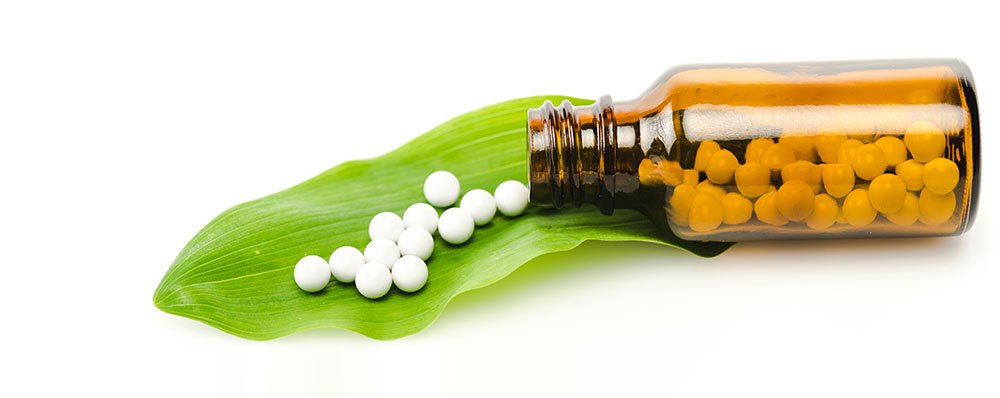
Alcoholism (also known as alcohol use disorder or chronic alcohol dependence) is a chronic, relapsing condition characterized by compulsive alcohol consumption despite harmful consequences, loss of control over drinking, tolerance, and withdrawal symptoms upon cessation. It affects physical health (liver damage, cardiovascular issues, neurological problems), mental health (depression, anxiety), and social functioning (relationship breakdowns, work issues). Homeopathy views alcoholism as a disturbance in vital force, often linked to underlying constitutional weaknesses, stress, emotional trauma, or miasmatic influences. It aims to reduce cravings, manage withdrawal symptoms, support detoxification, restore balance, and address personality traits that predispose to addiction—through individualized, constitutional prescribing rather than one-size-fits-all suppression.
Important disclaimer: Alcoholism is a serious medical condition with potentially life-threatening withdrawal (e.g., delirium tremens, seizures). Homeopathy is complementary and lacks strong scientific evidence from large-scale RCTs as a standalone treatment for alcohol dependence or withdrawal—conventional approaches (e.g., medical detox with benzodiazepines, FDA-approved meds like naltrexone/acamprosate/disulfiram, counseling, AA/12-step programs, rehab) are evidence-based and often essential, especially for severe dependence. Never attempt abrupt cessation without medical supervision if heavy daily drinking is involved—seek immediate professional help (addiction specialist, psychiatrist, or detox center). Consult a qualified homeopathic practitioner for personalized treatment alongside conventional care. Self-medication can be ineffective or dangerous.
Common Symptoms of Alcoholism
- Craving or strong urge to drink
- Inability to limit or cut down drinking
- Spending excessive time obtaining, using, or recovering from alcohol
- Tolerance (needing more to achieve same effect)
- Withdrawal symptoms when stopping/reducing: anxiety, tremors (“shakes”), sweating, nausea, vomiting, insomnia, irritability, agitation, hallucinations, seizures (severe cases)
- Neglect of responsibilities, continued use despite problems
- Physical signs: red face, bloated appearance, liver issues (jaundice, ascites), neuropathy, blackouts
- Psychological: guilt, depression, defensiveness, isolation
Common Homeopathic Medicines for Alcoholism
Remedies are selected based on the full symptom picture (modalities, mentals, generals). Here are frequently indicated ones from classical homeopathic sources and clinical reports:
- Nux Vomica One of the most commonly used for alcoholism, especially in irritable, ambitious, overworked types who overuse stimulants (alcohol, coffee, spices). Key indications: Hangover headaches, nausea/vomiting in morning, irritability/anger outbursts, sensitivity to noise/light, constipation alternating with diarrhea, craving for stimulants/alcohol (especially evenings), insomnia after 3 a.m., digestive upset from overindulgence. Helps in early stages and withdrawal irritability. Typical potency and dose: 30C or 200C; 3–5 pellets 1–3 times daily during acute craving/withdrawal phases, or single higher doses (200C+) constitutionally. Often used short-term initially; professional guidance for repetition.
- Quercus Glandium Spiritus Glandium (Quercus) Specific nosode-like remedy from oak gland spirit for alcoholic effects. Key indications: Acts as a “drainage” remedy for chronic alcoholism; reduces craving for alcohol, helps liver/glandular detoxification, addresses bad effects on digestion/humors, nervous system, and organs. Often used to antidote alcohol toxicity and support de-addiction. Typical potency and dose: Mother tincture (Q) 5–10 drops in water 2–3 times daily, or low potencies (6C–30C) 3–5 pellets daily/weekly. Frequently recommended for prolonged use in chronic cases.
- Sulphur For chronic alcoholics with “ragged philosopher” picture—untidy, philosophical, burning sensations. Key indications: Craving for alcohol despite knowing harm, heat/flushing (worse warmth), skin issues, digestive complaints, early morning diarrhea, philosophical brooding, recurrent infections. Addresses deep-seated miasmatic tendencies. Typical potency and dose: 30C or 200C; often single dose or infrequent repetition (e.g., weekly/monthly) as constitutional. Avoid frequent repetition.
- Arsenicum Album Prominent in acute withdrawal with anxiety/fear. Key indications: Great restlessness/anxiety (especially after midnight), fear of death/disease, burning pains relieved by heat, thirst for small sips, chilliness, prostration, delirium tremens-like states. Useful in severe withdrawal agitation. Typical potency and dose: 30C frequently in acute withdrawal (e.g., every 1–4 hours initially, reduce as improved); lower for maintenance.
- Lachesis For talkative, jealous, suspicious alcoholics. Key indications: Loquacity, jealousy/suspicion, worse after sleep, left-sided complaints, hot flushes, intolerance of tight clothing, craving for alcohol/wine, circulatory issues. Often in menopausal or hormonal-linked cases. Typical potency and dose: 30C or 200C; single or infrequent doses constitutionally.
Other frequently mentioned remedies (based on specifics):
- Lycopodium: For lack of confidence, digestive bloating, craving sweets/alcohol, performance anxiety.
- Sulphuricum Acidum: For chronic debility, morning vomiting of drunkards, craving brandy.
- Avena Sativa (mother tincture): For nervous exhaustion, insomnia, craving reduction.
- Staphysagria or Ignatia: If suppressed anger/emotional trauma underlies addiction.
Homeopathy may help reduce cravings, ease withdrawal (when used supportively), and promote long-term change when combined with therapy, lifestyle changes (exercise, nutrition, support groups), and medical oversight. Improvement can be gradual over weeks/months. For acute withdrawal/delirium, prioritize hospital detox. If severe symptoms (seizures, hallucinations, confusion), seek emergency care immediately. Recovery is possible—professional integrated support offers the best outcomes.